Featured Book: Wild Wild East
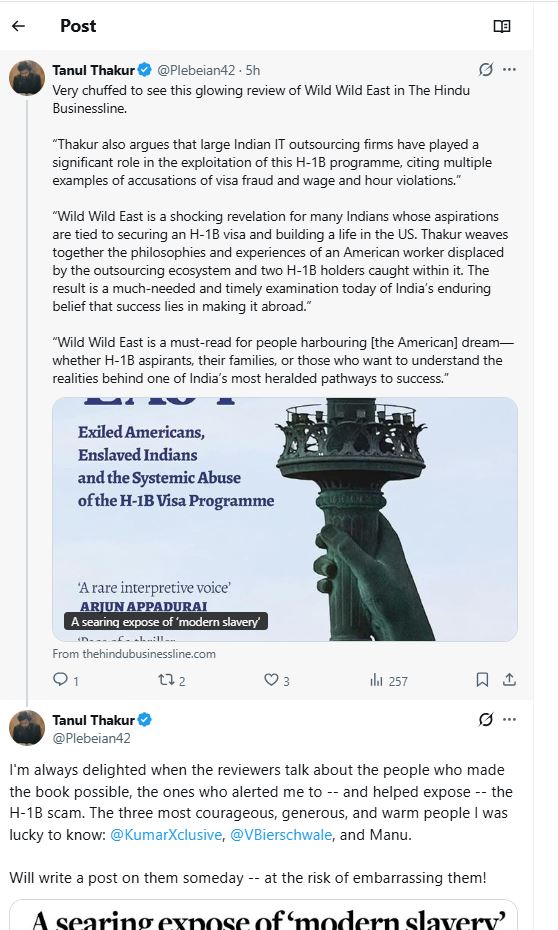
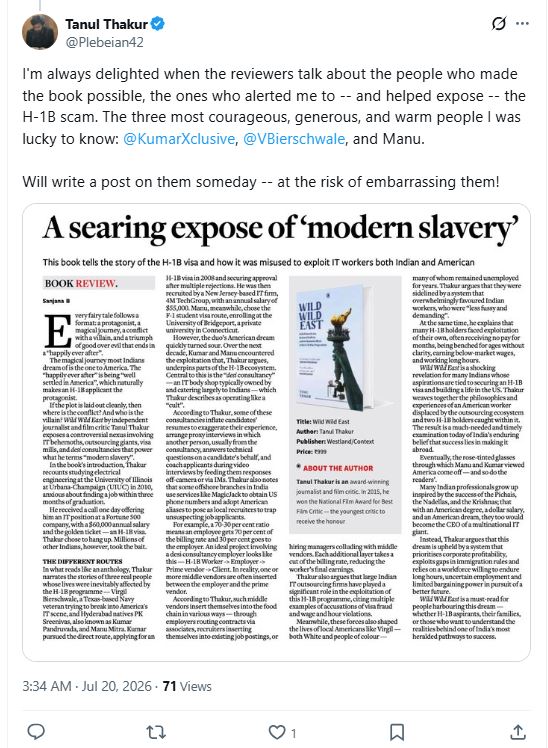
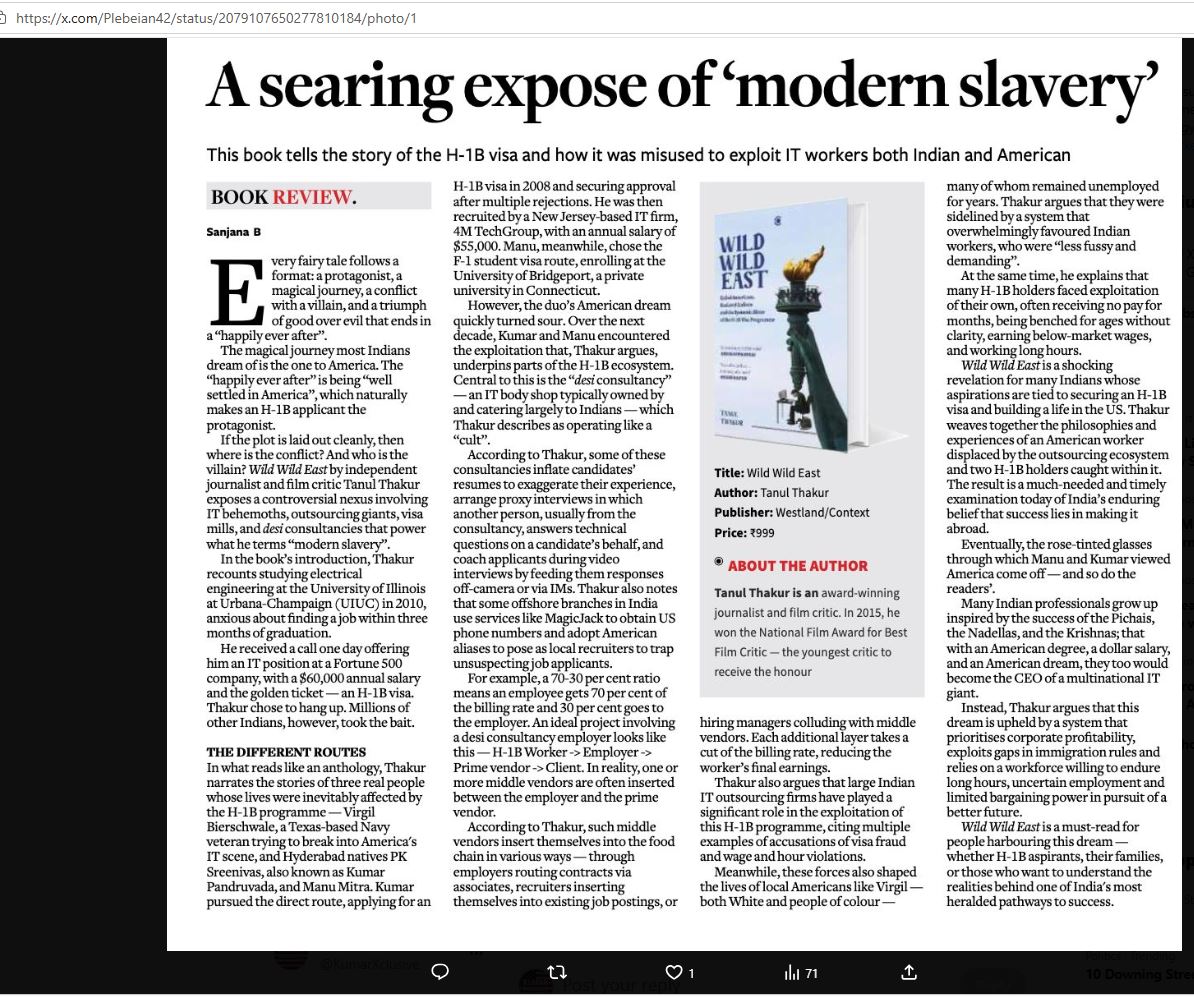
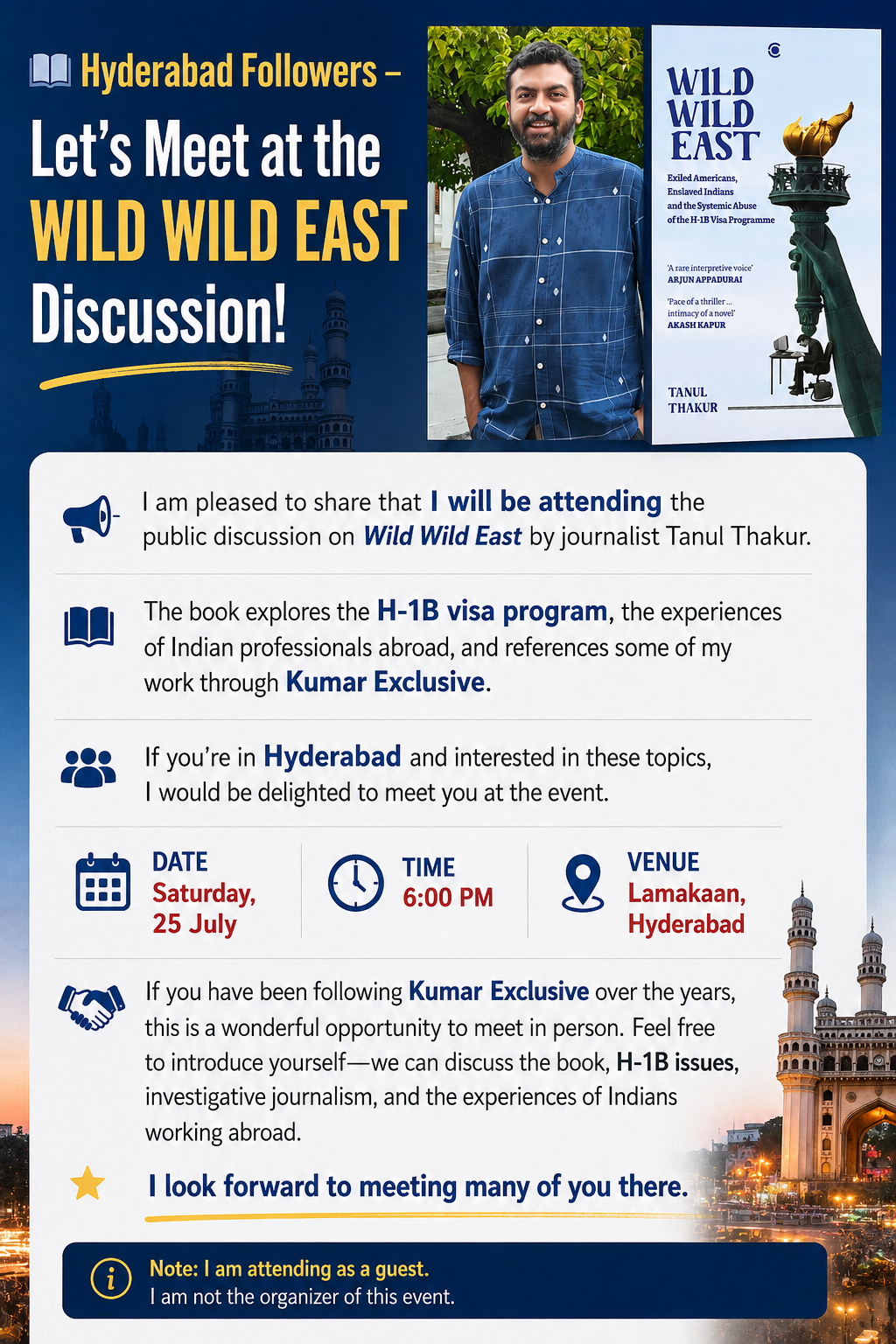
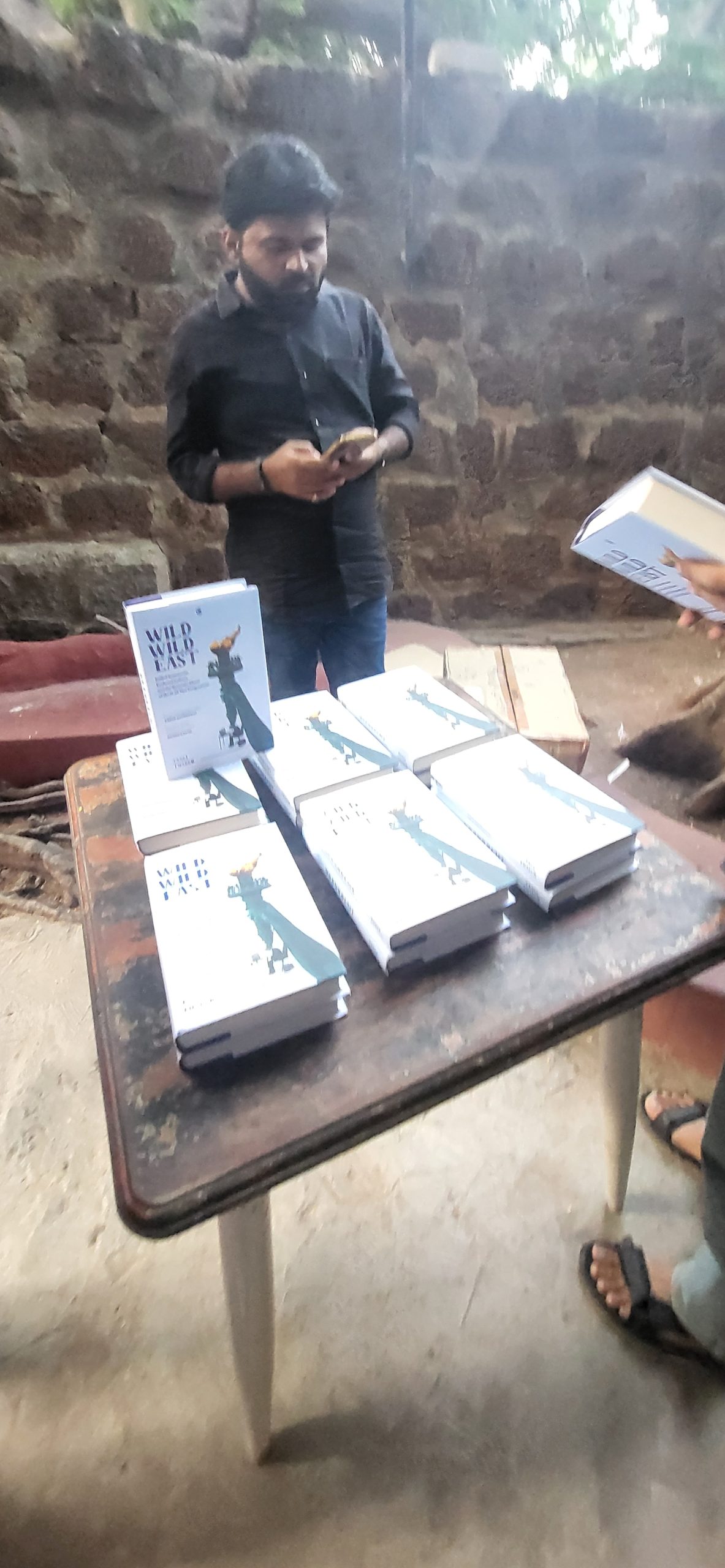
My work and experiences investigating the H-1B ecosystem, outsourcing practices, and employment issues affecting Indian professionals in the United States are discussed in Wild Wild East by journalist Tanul Thakur.
The book examines various aspects of the H-1B ecosystem, outsourcing culture, and the experiences of Indian professionals in the United States. It includes references to my work and discusses the role of Kumar Exclusive as one of several sources used during the author’s research.
If you would like to better understand the background of my reporting and the broader issues I have covered over the years, I recommend reading this book.
Purchase the book:
- Amazon US https://a.co/021txphi
- Amazon India https://amzn.in/d/0e6DKrOB
- Physical Book (Amazon US): https://us.amazon.com/Americans-Enslaved-Indians-Systemic-Programme/dp/9371970502
Note: I am not the author of Wild Wild East. The opinions and conclusions expressed in the book are those of the author. I am sharing it because it discusses topics related to my work and publicly references Kumar Exclusive.
https://x.com/Plebeian42/status/2079105442333249963?s=20
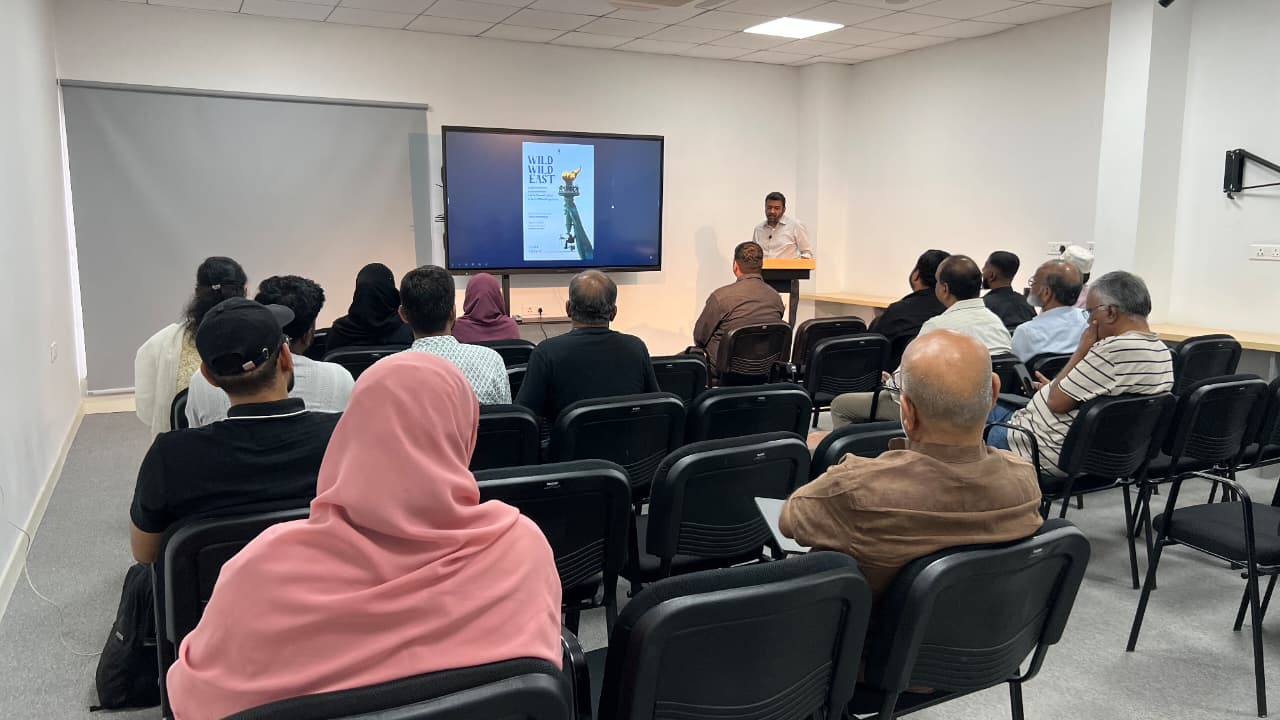
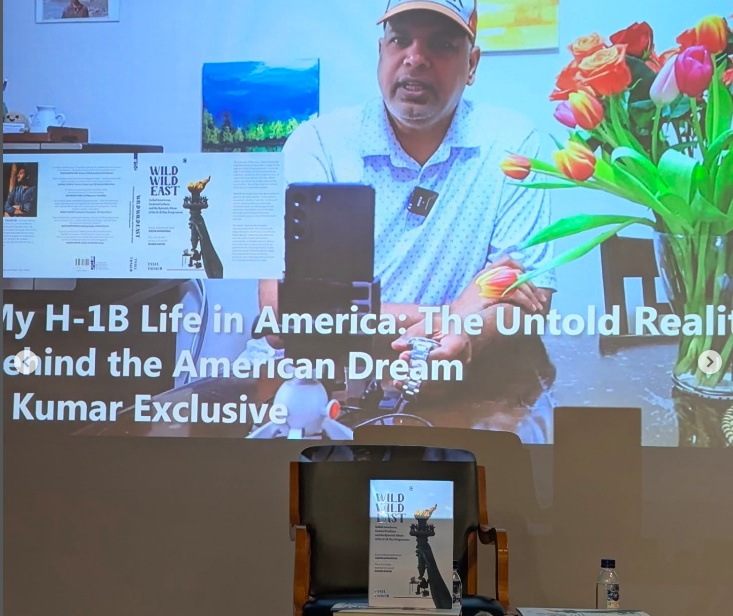
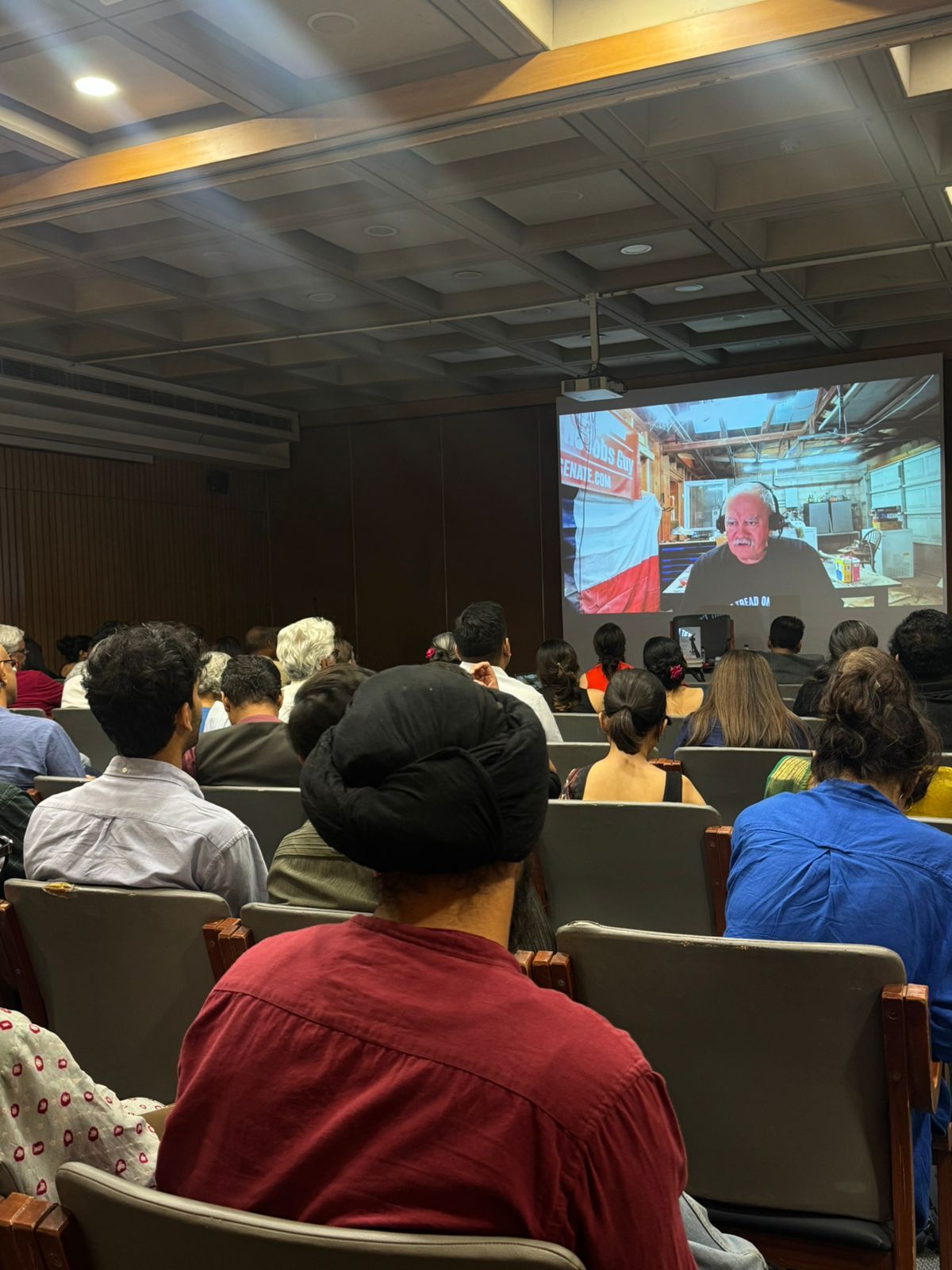
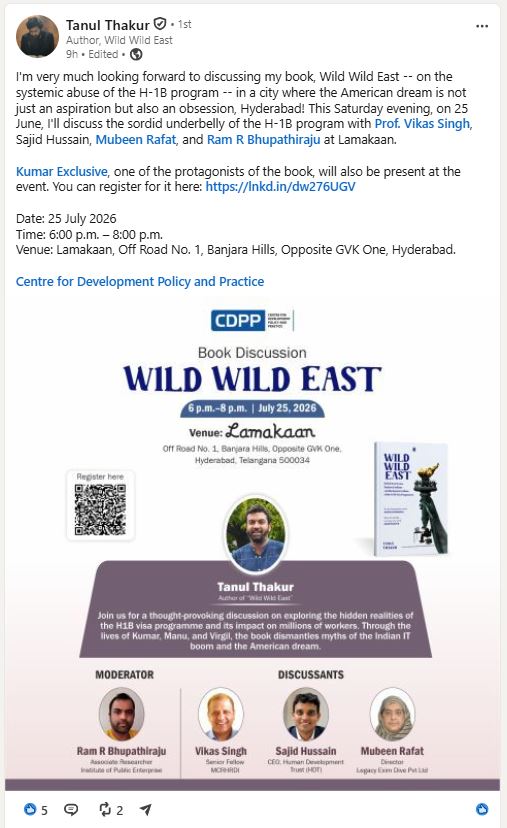
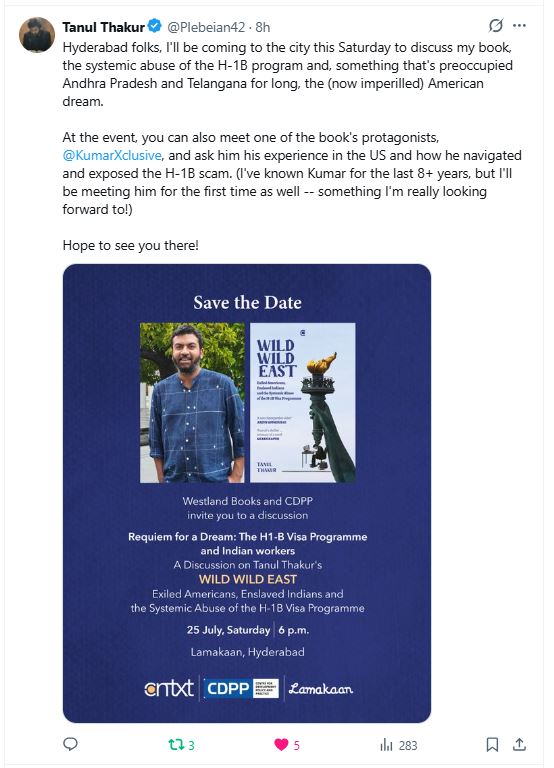
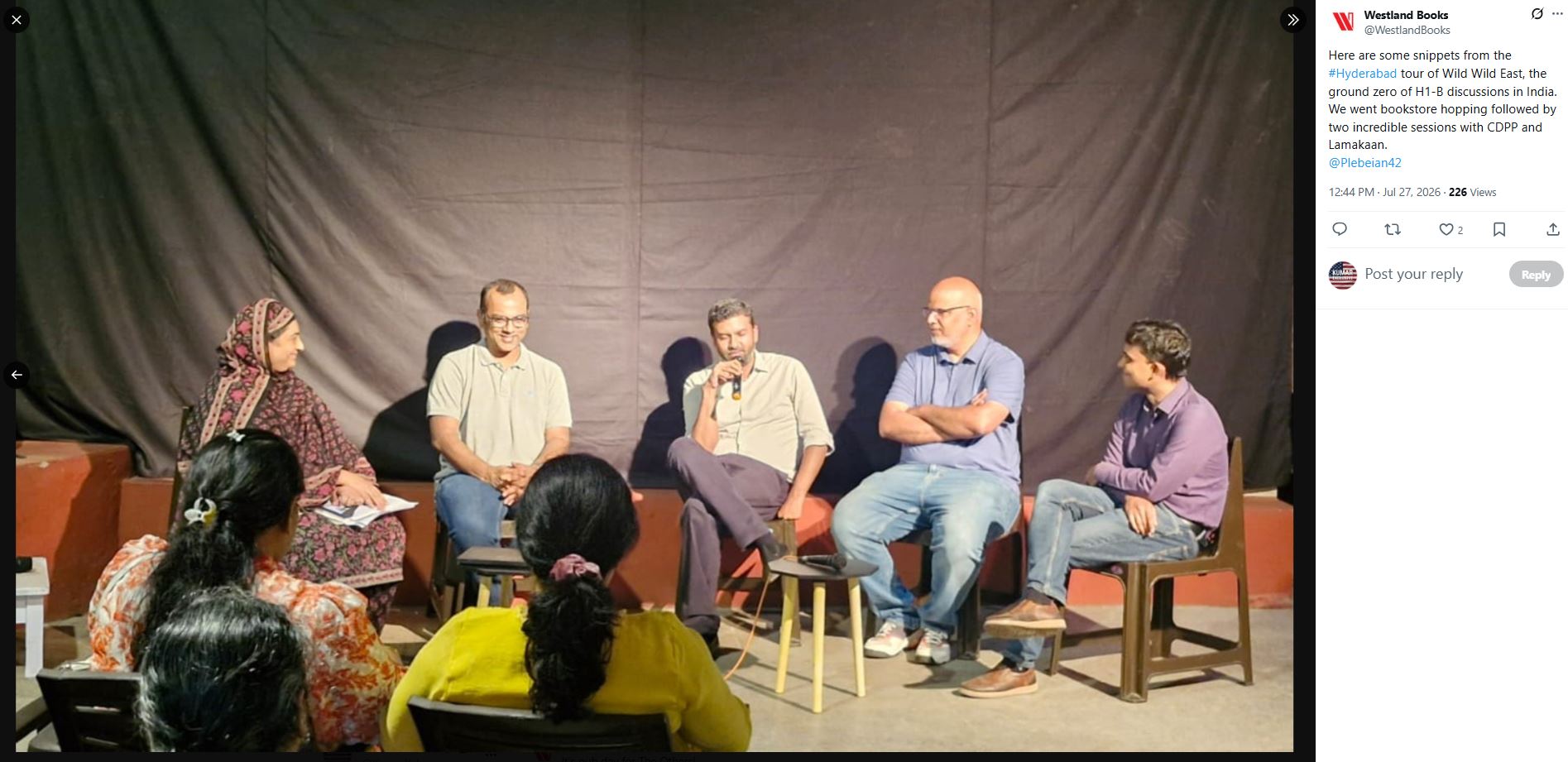
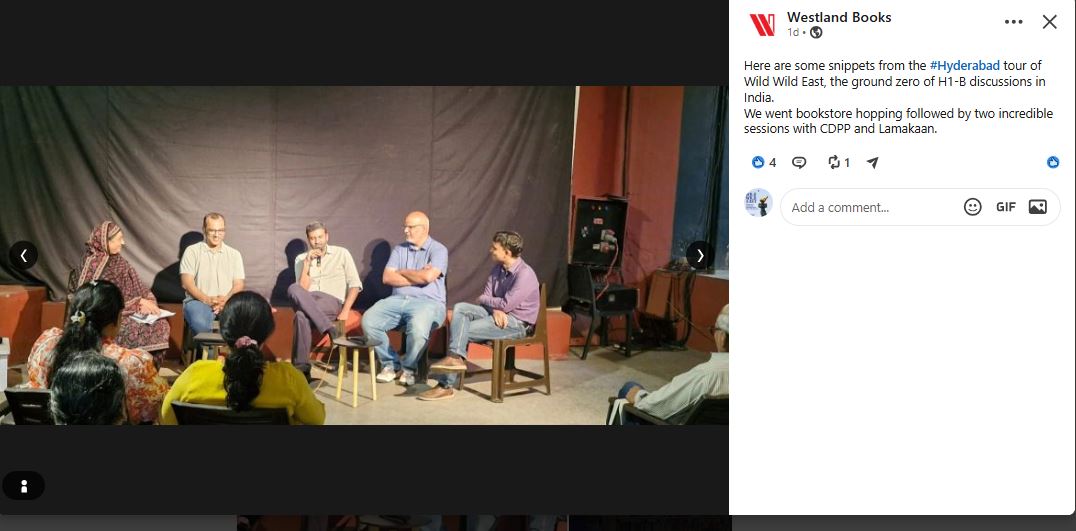
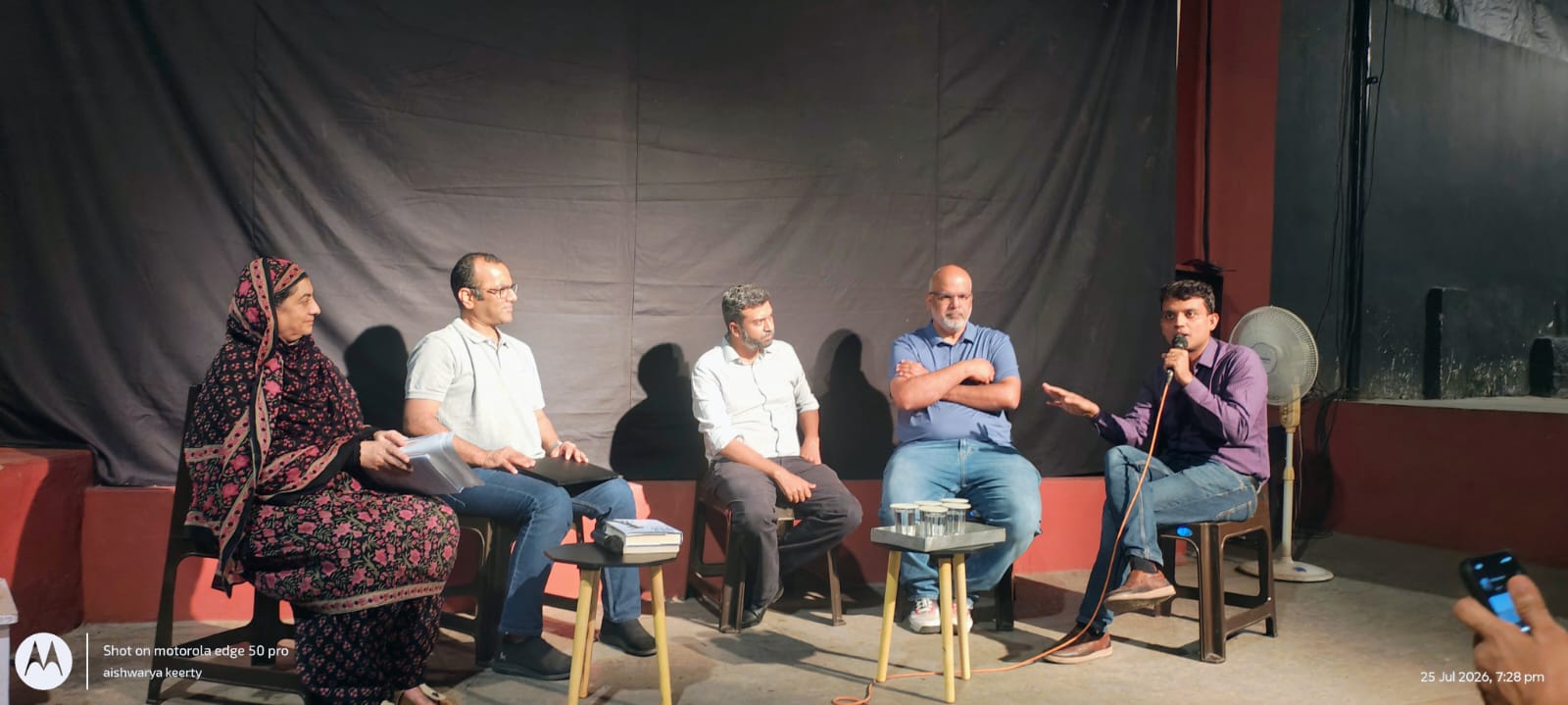
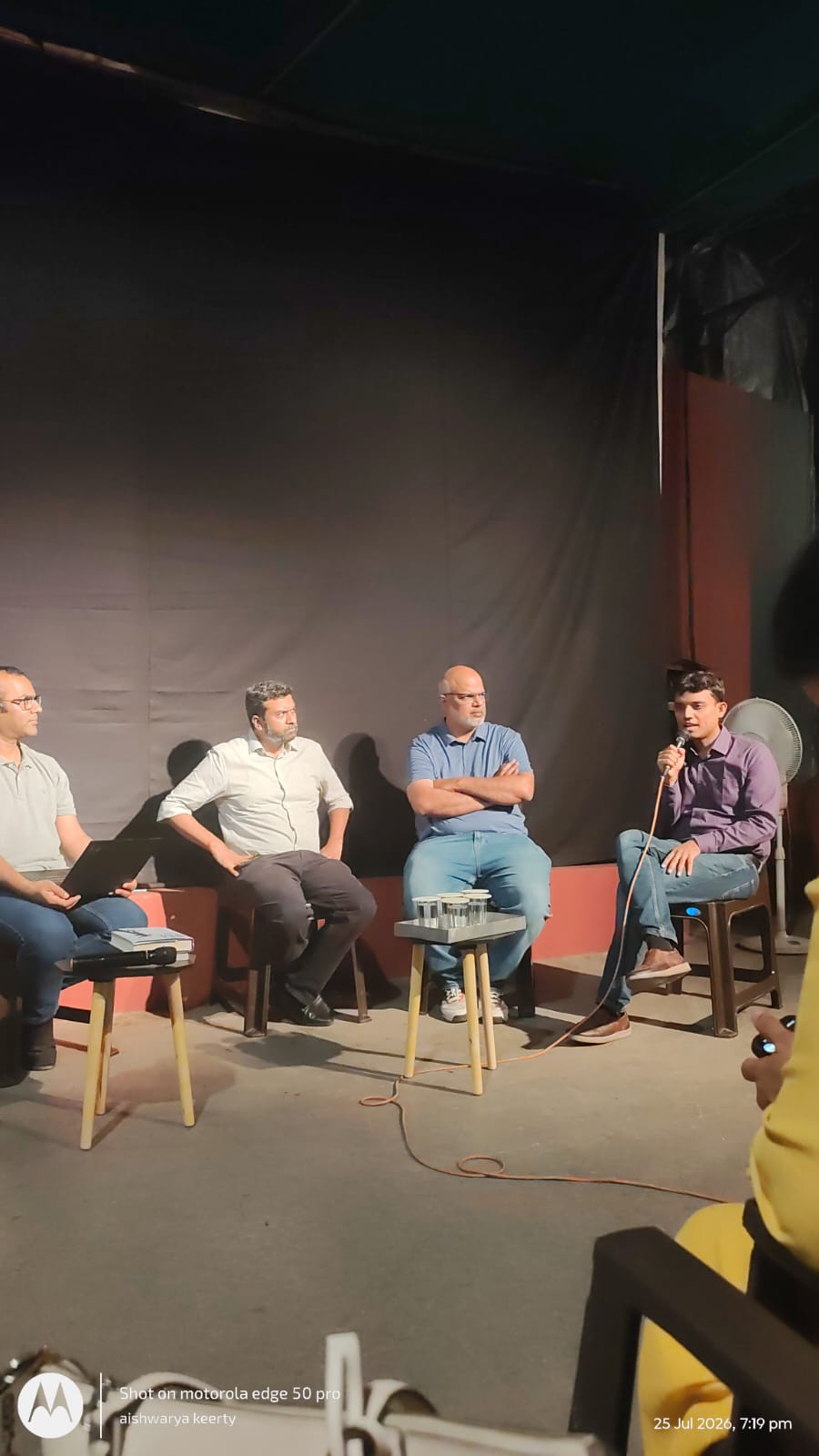
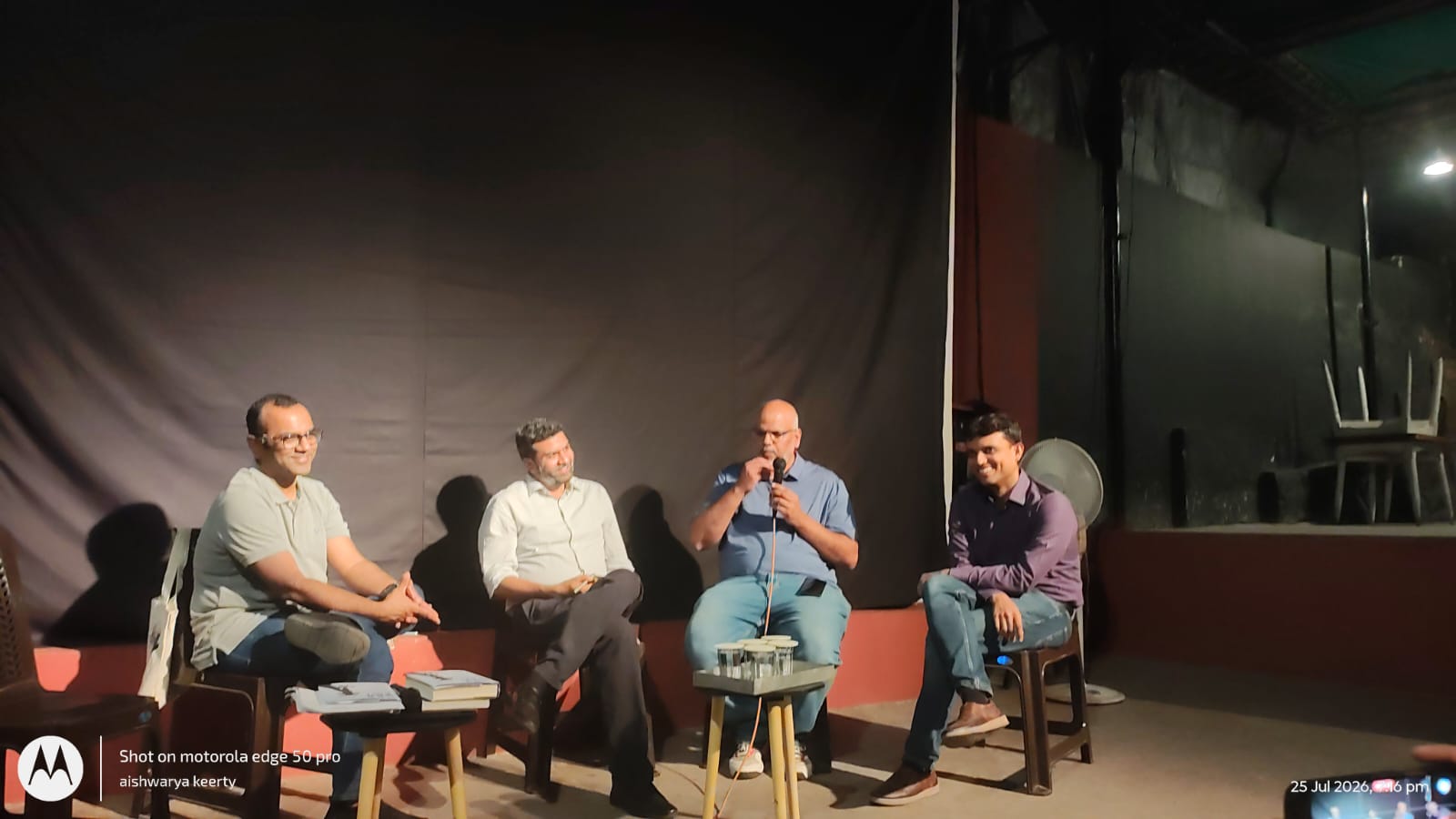
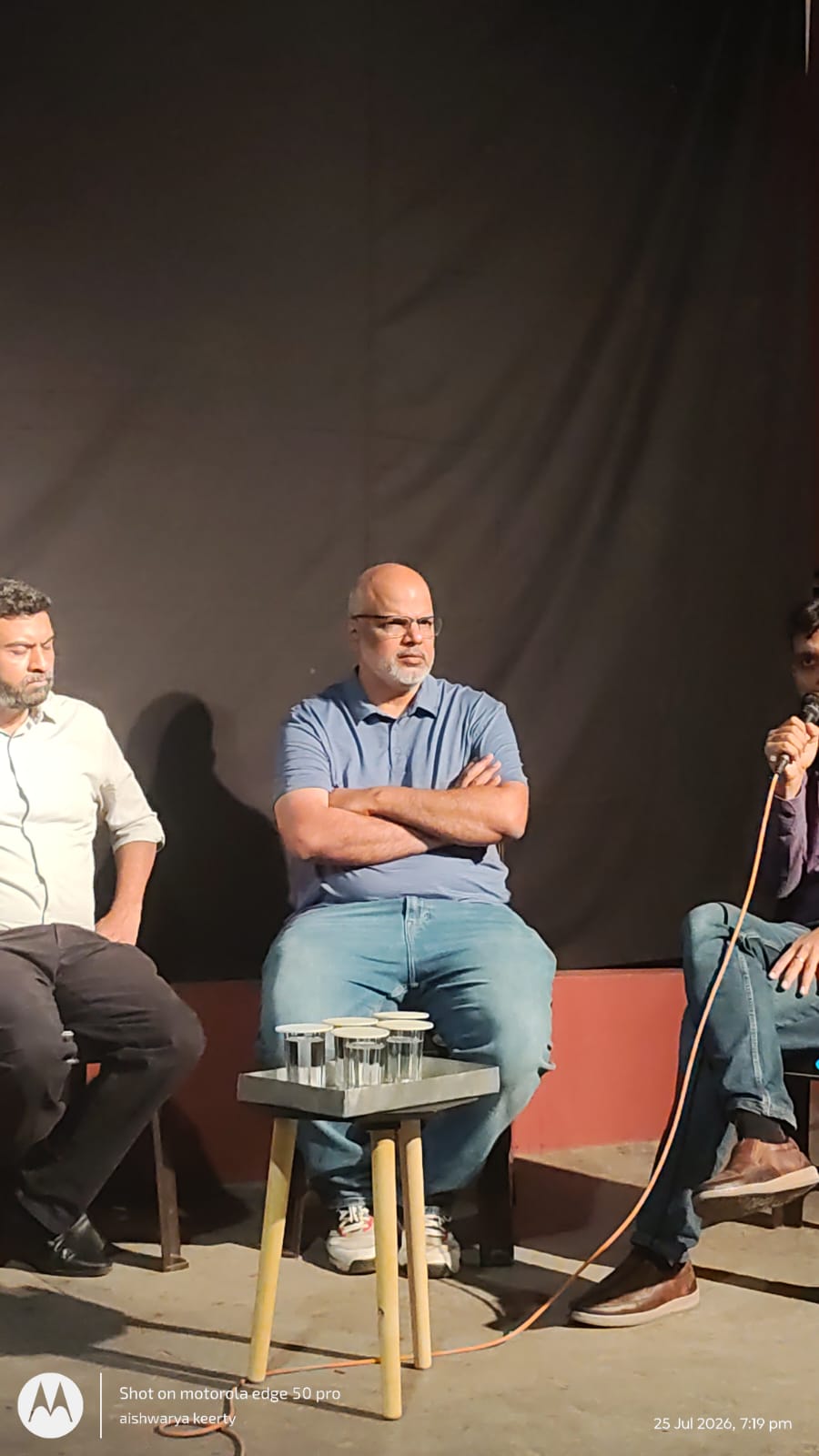
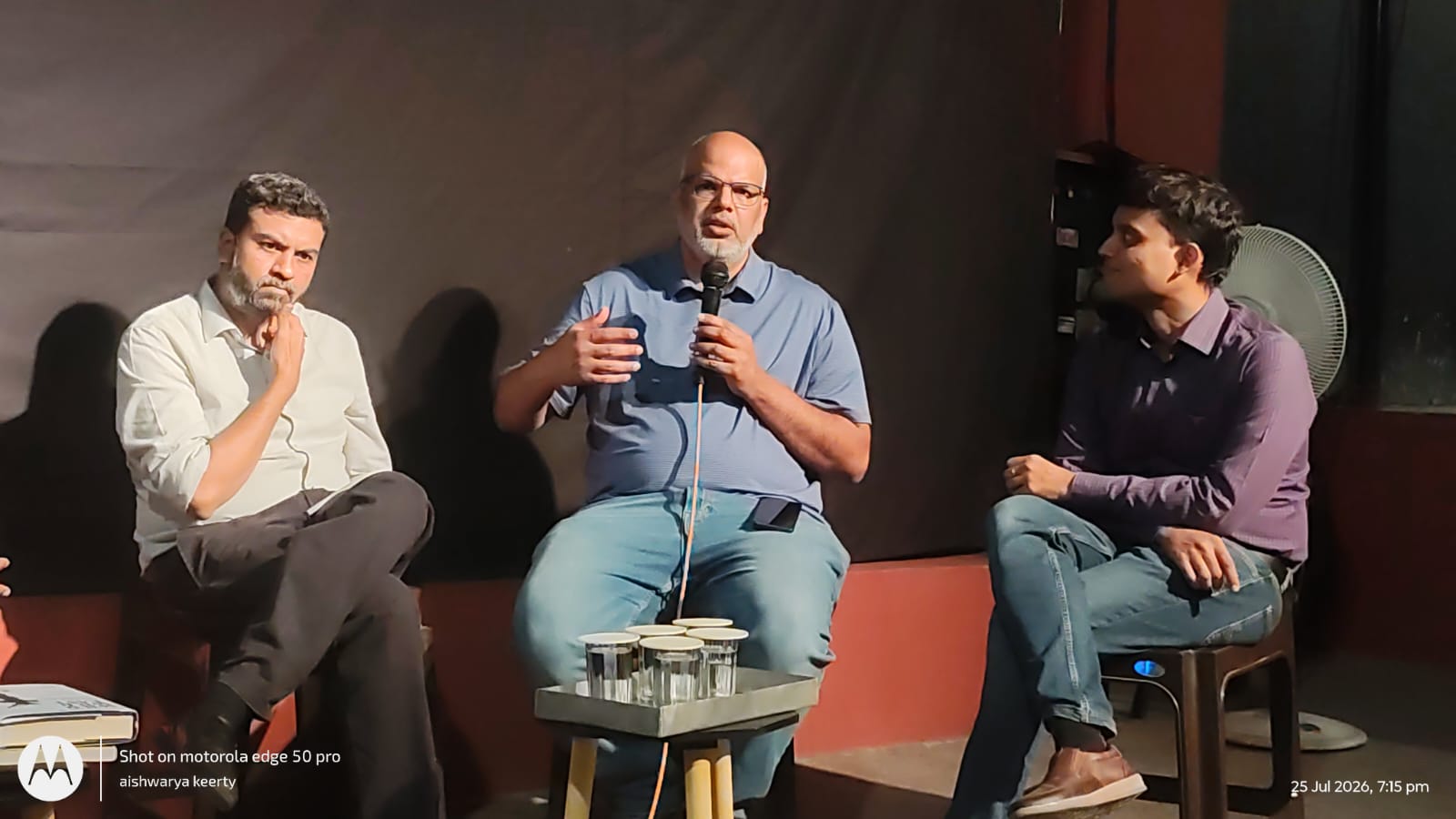
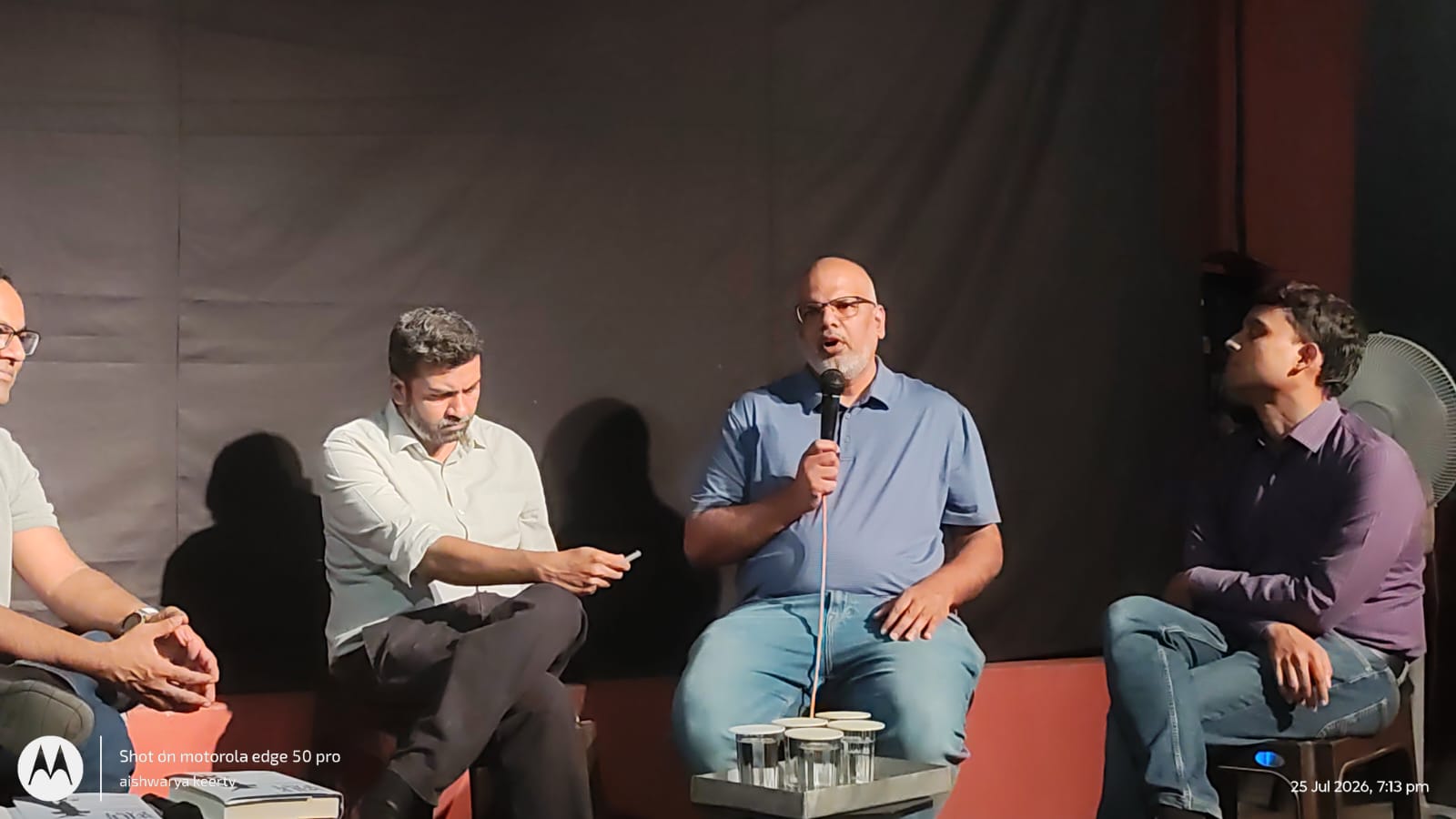
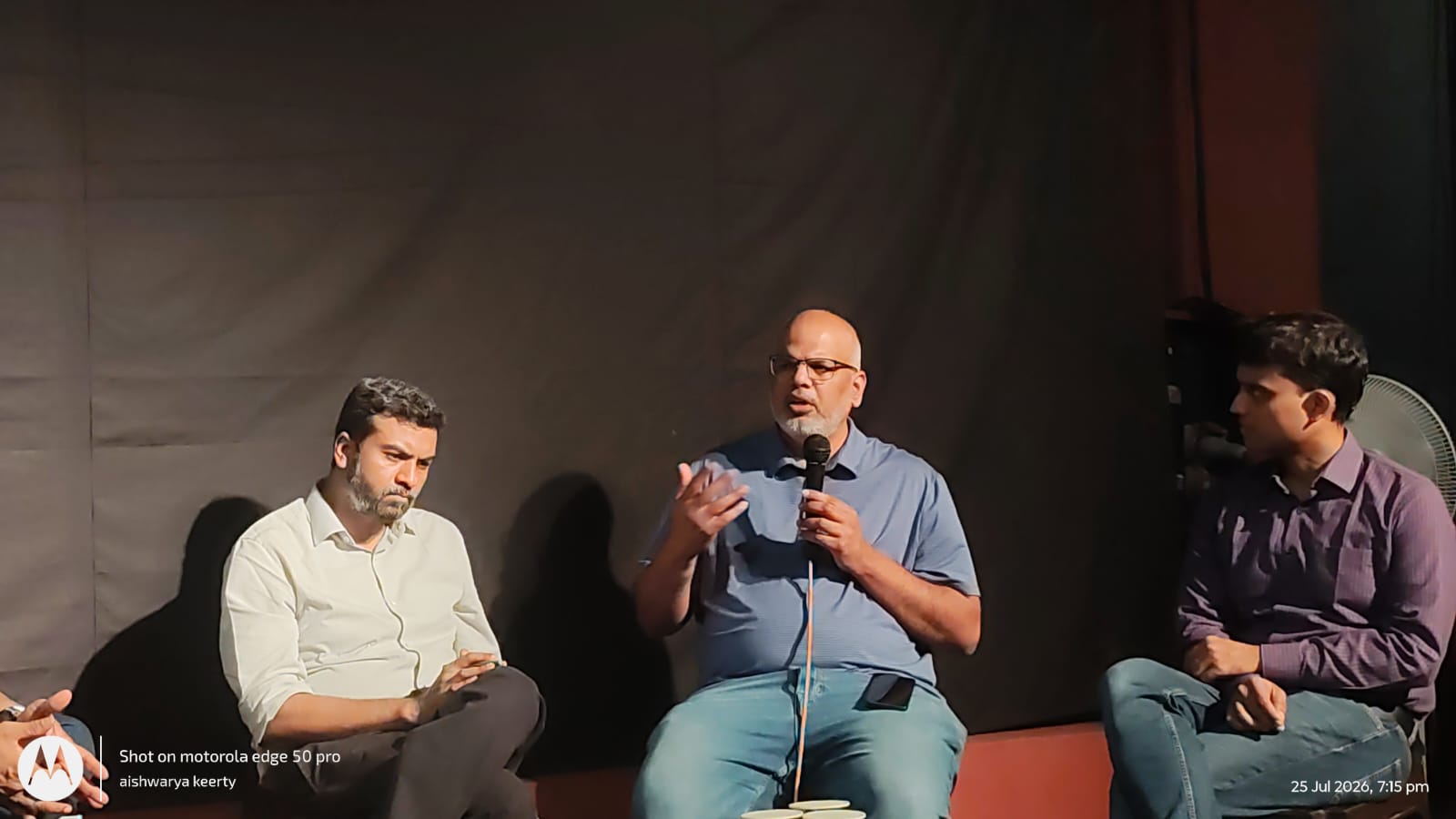
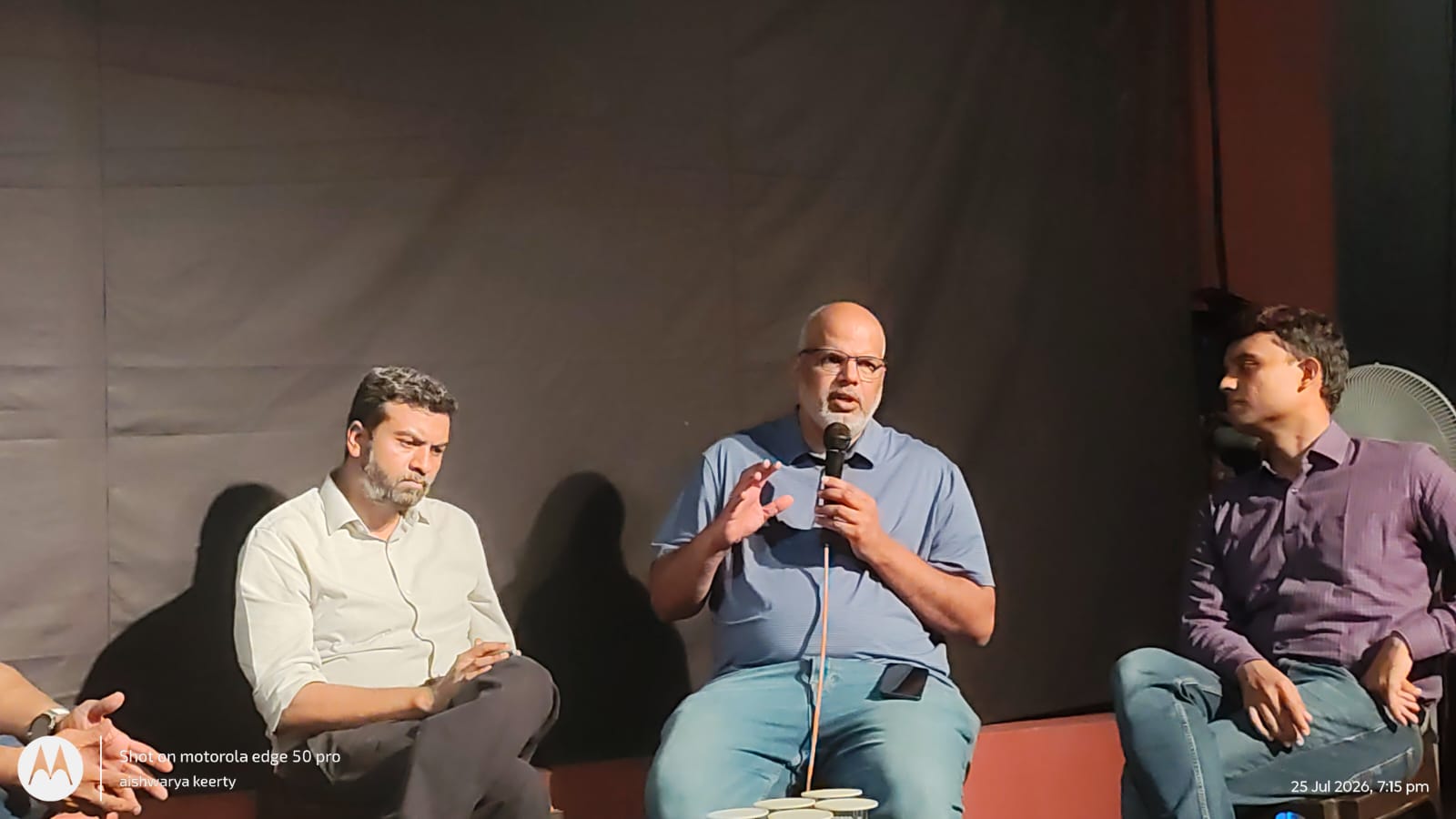
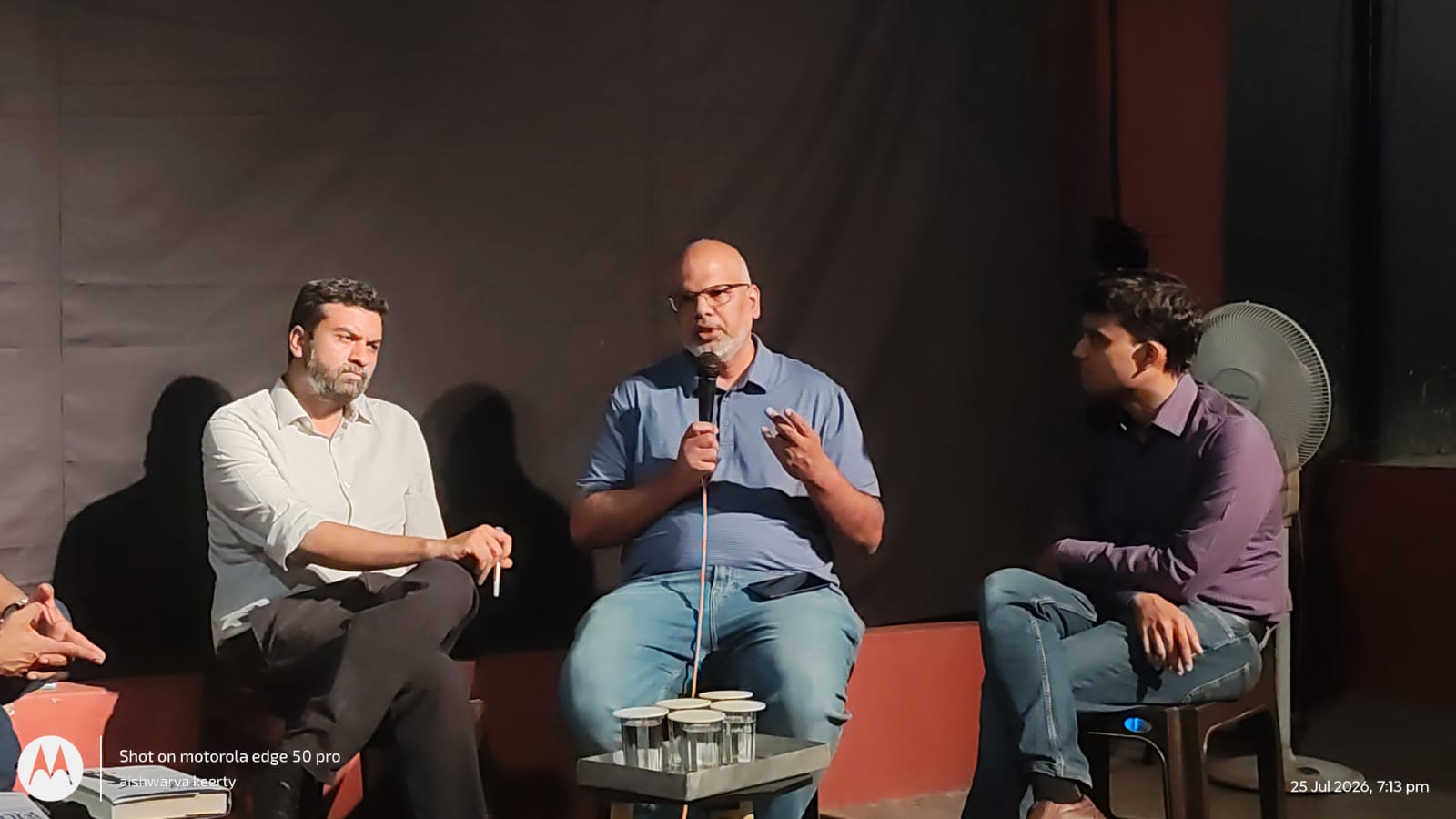
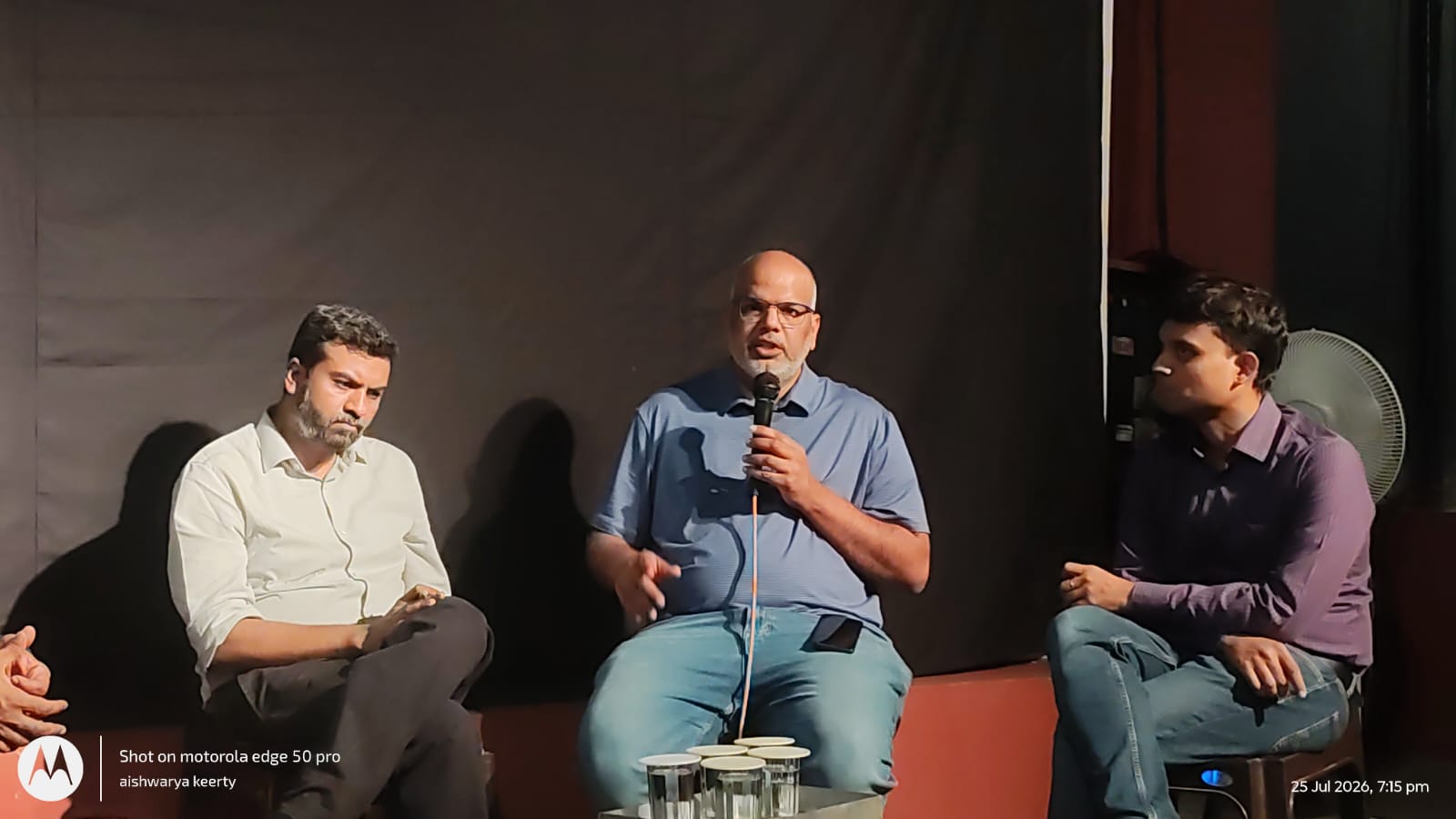
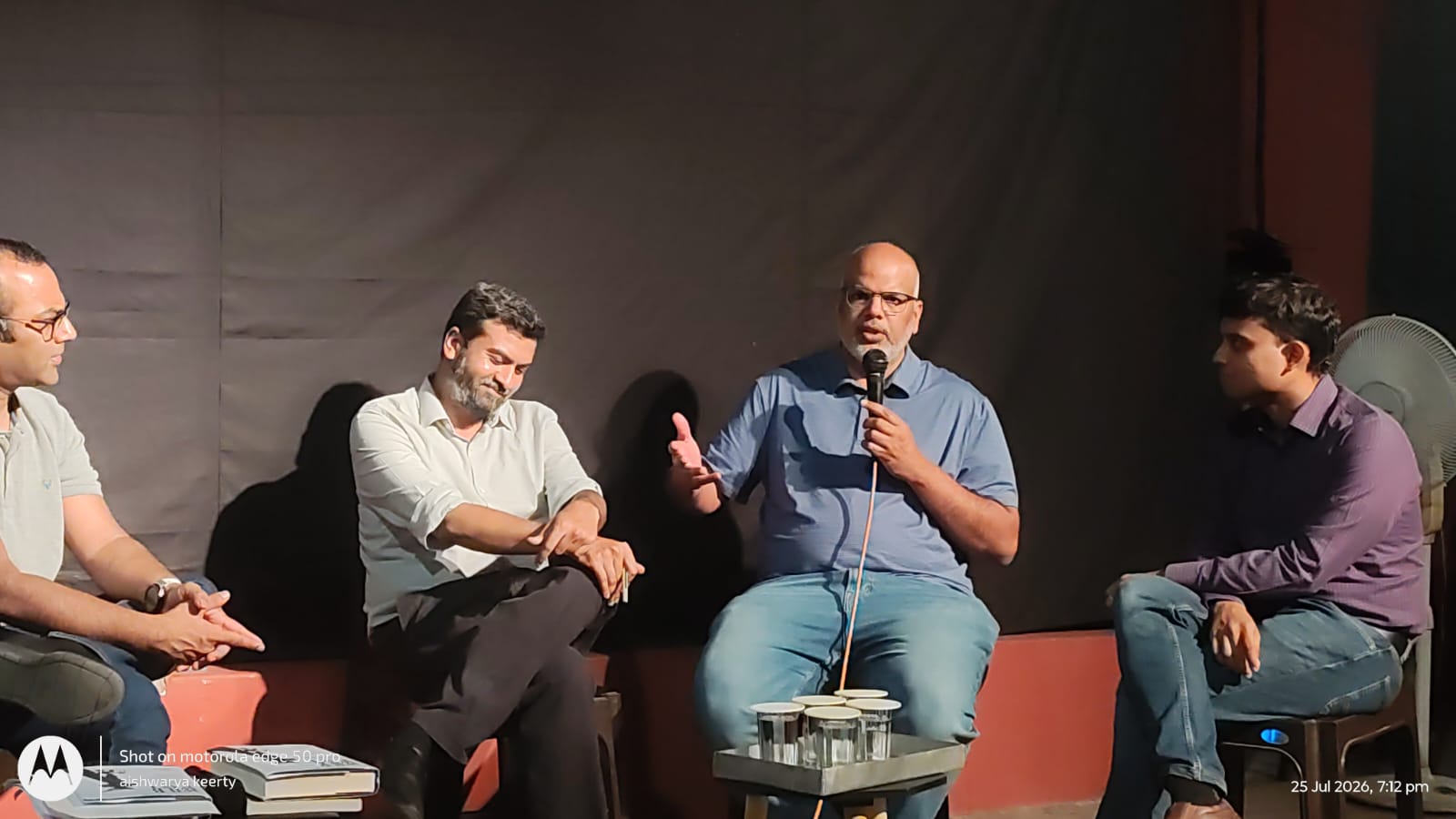
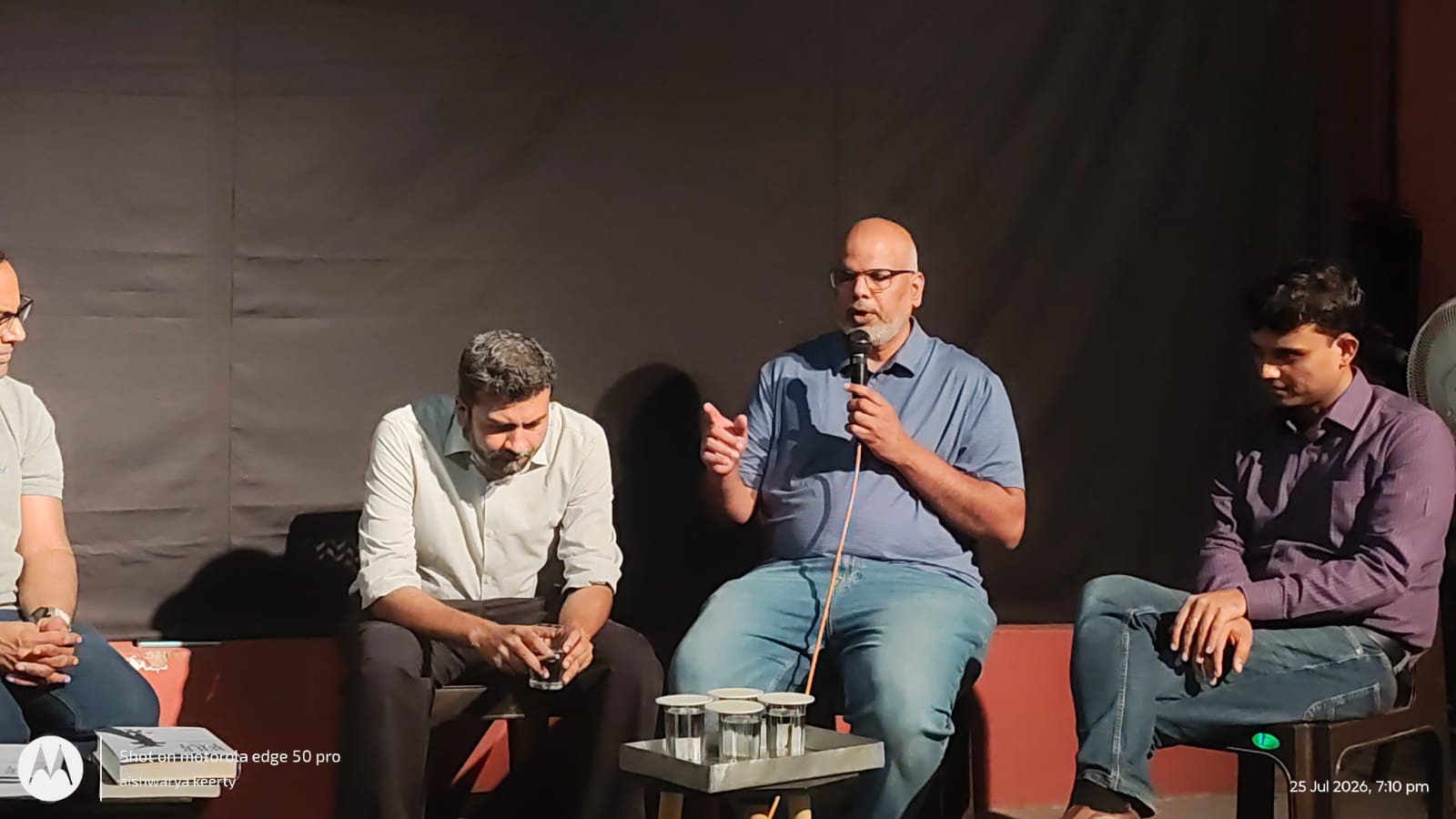
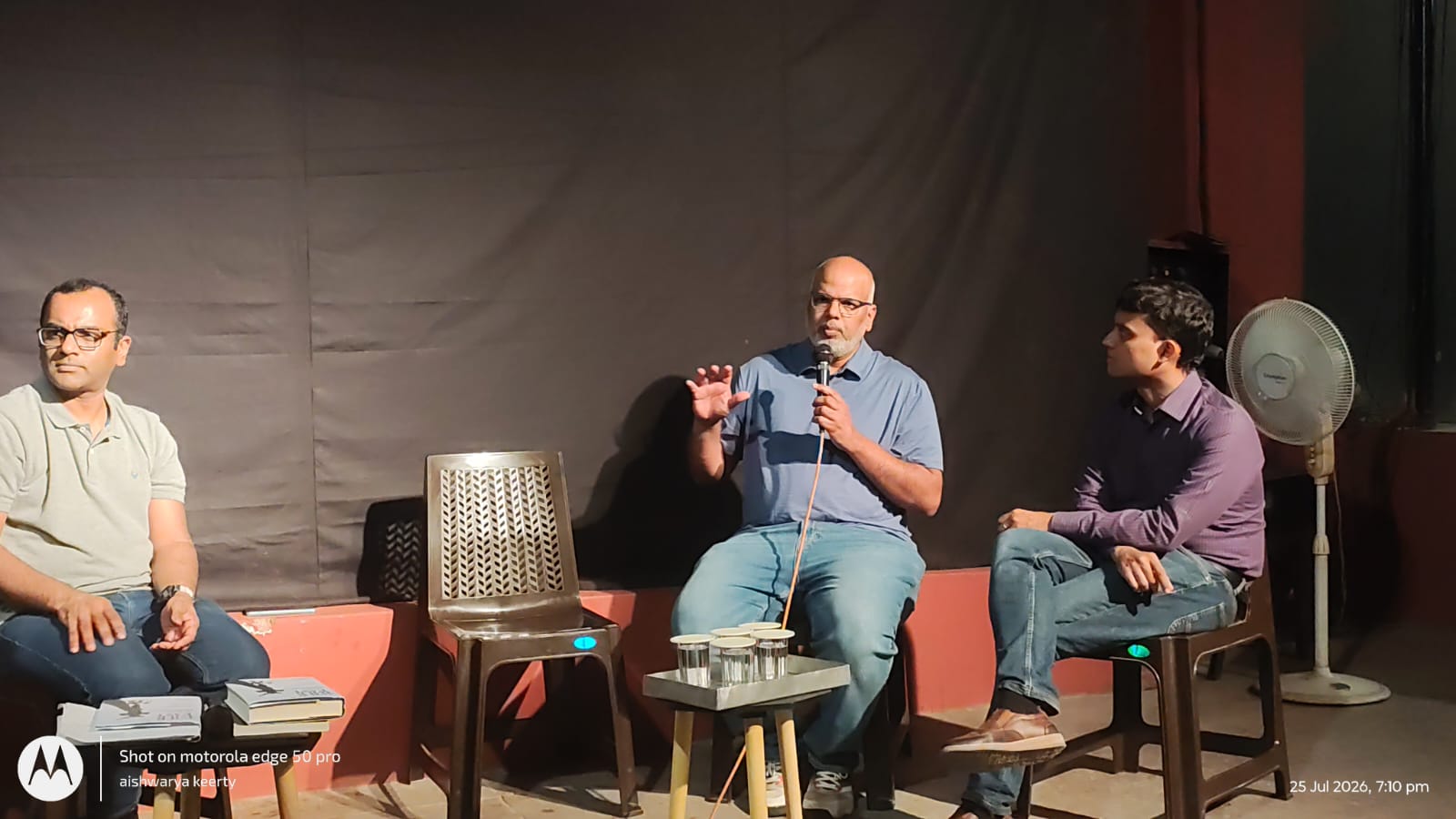
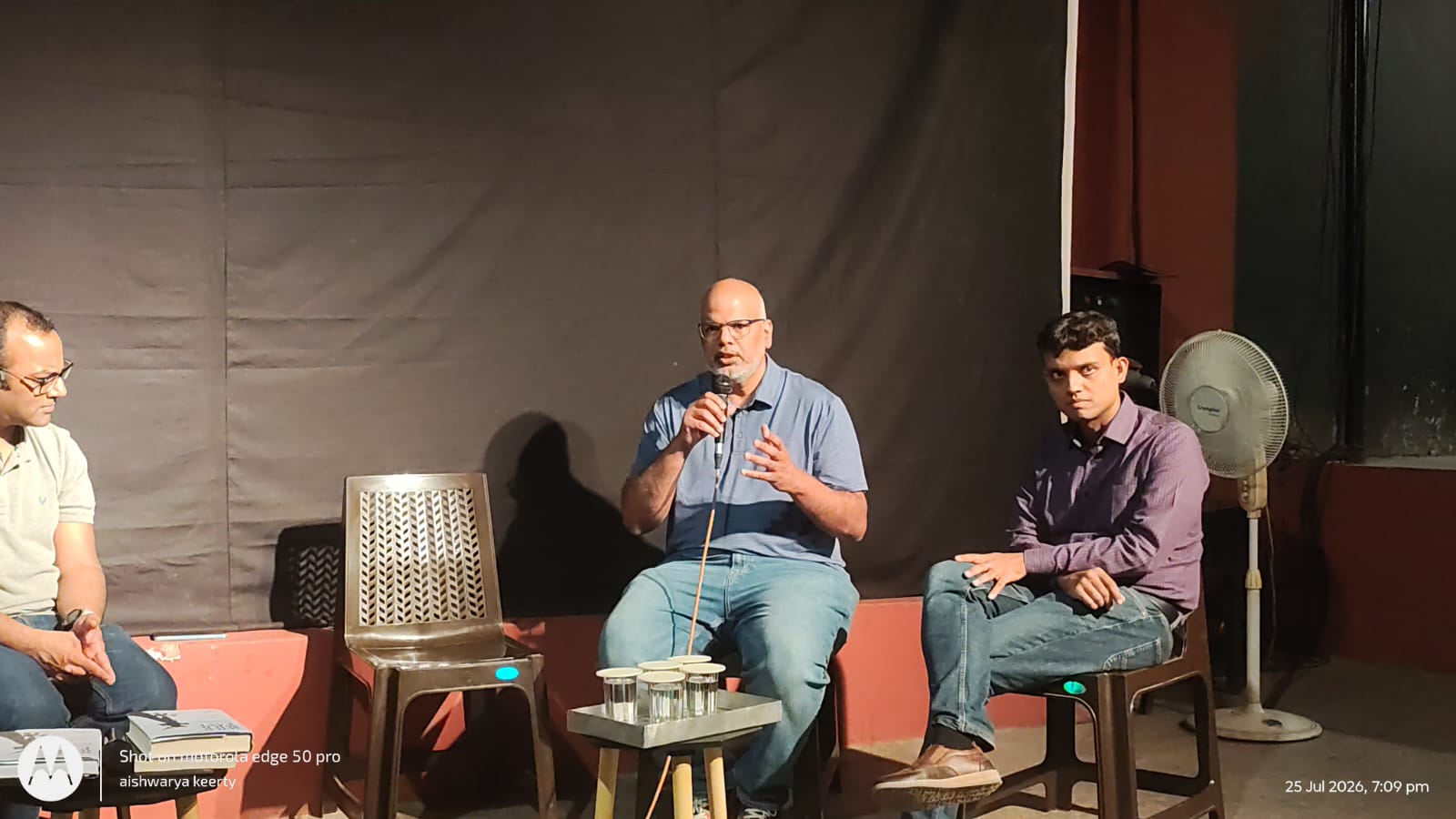
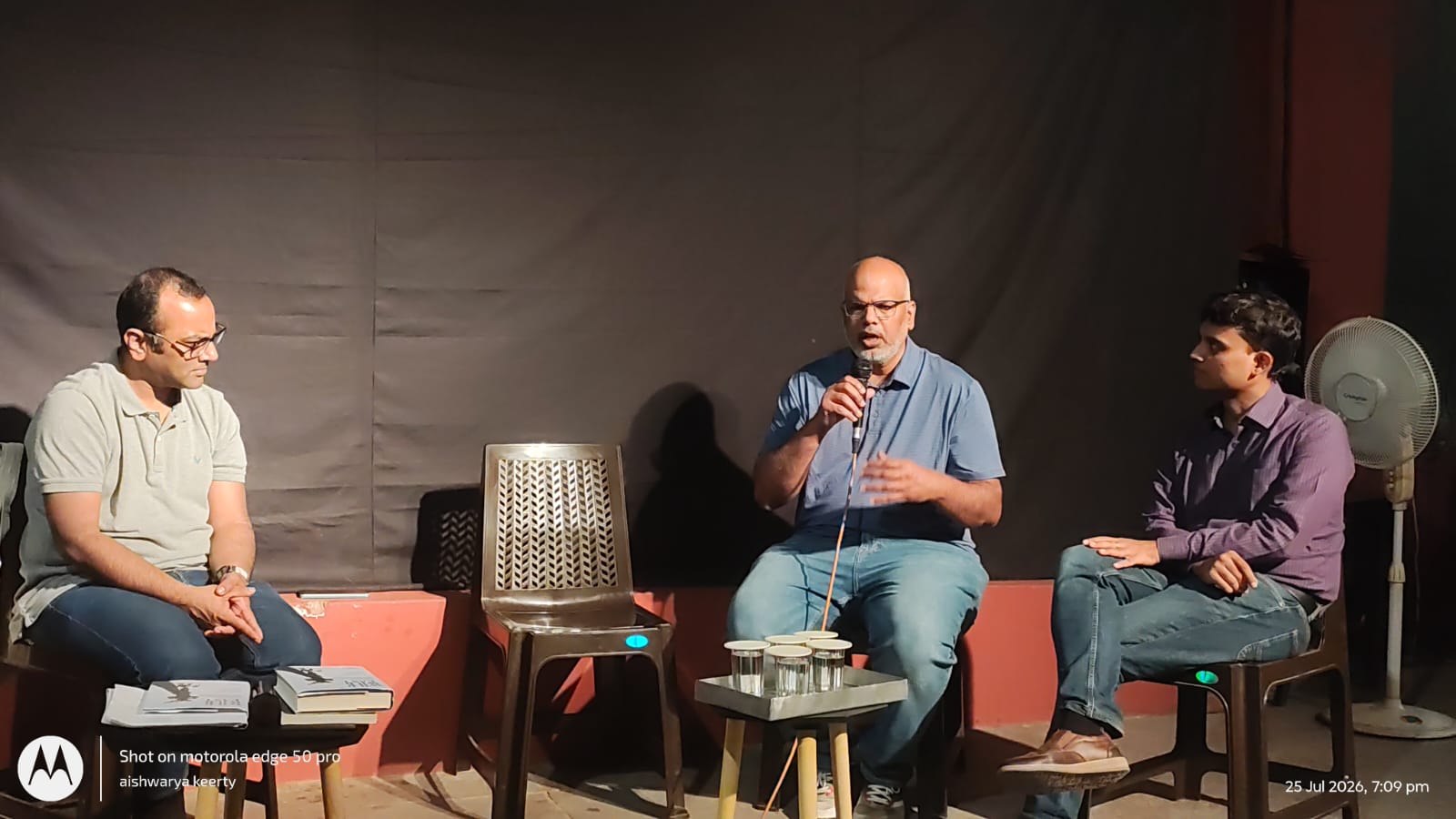
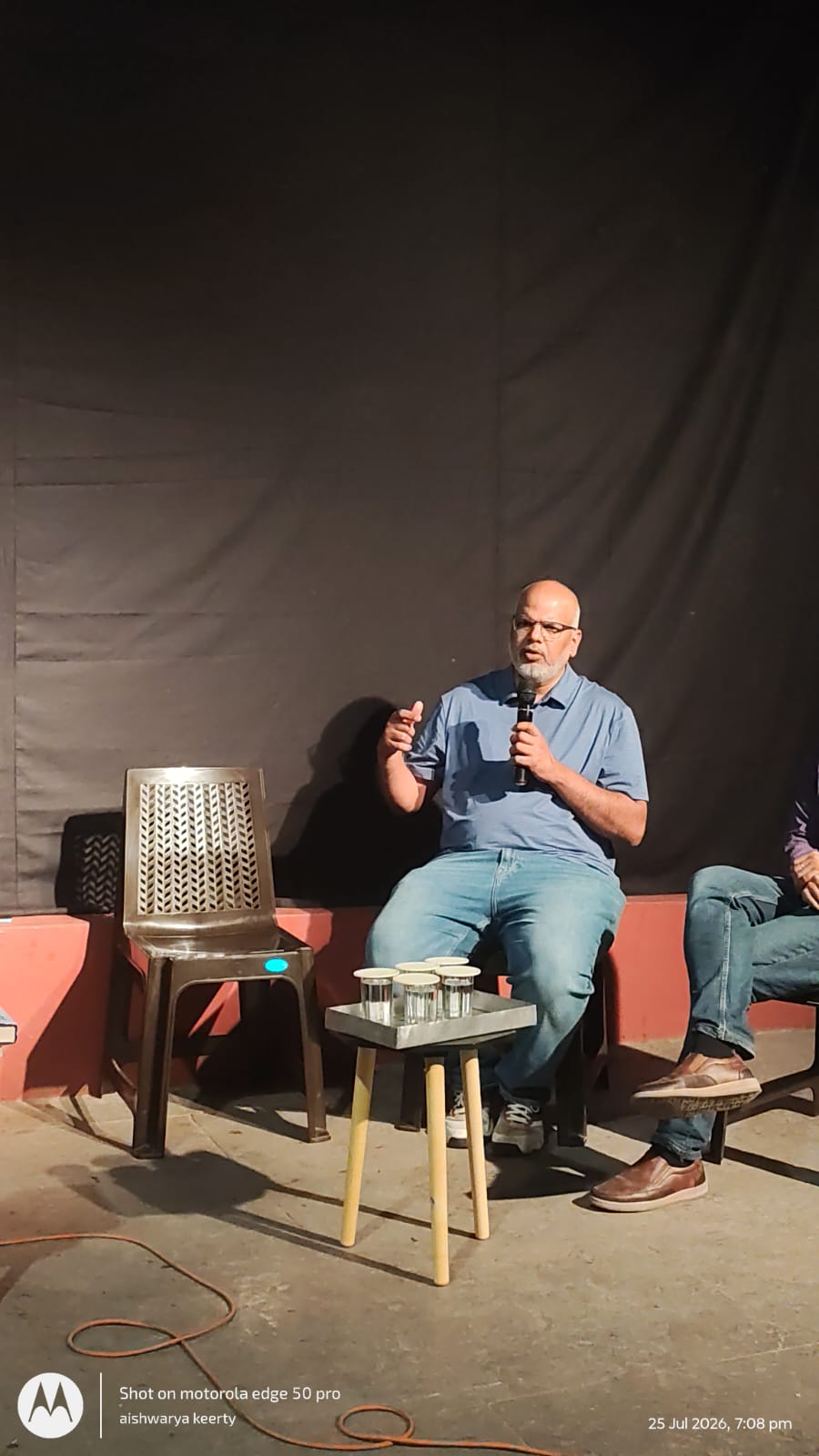
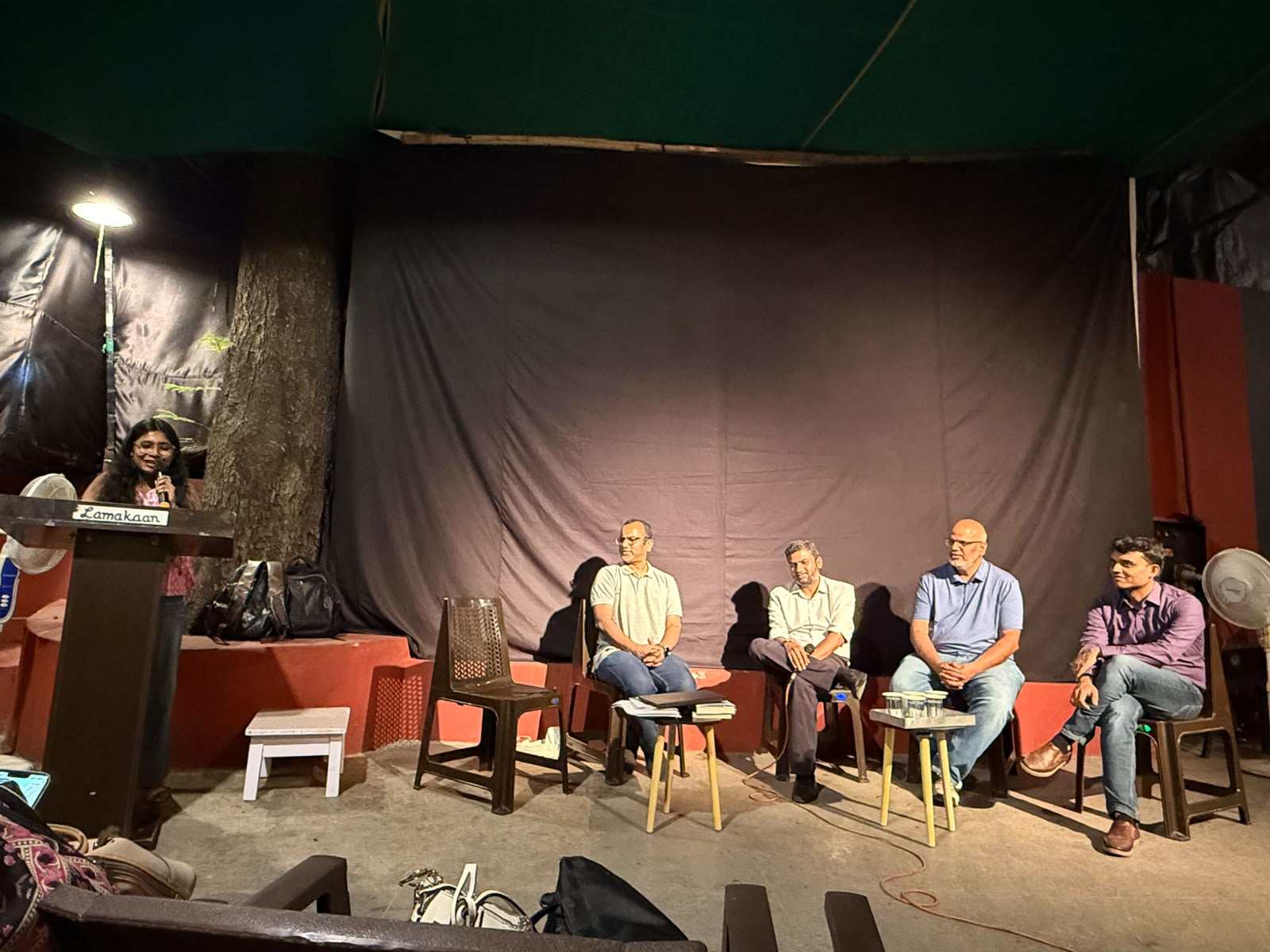
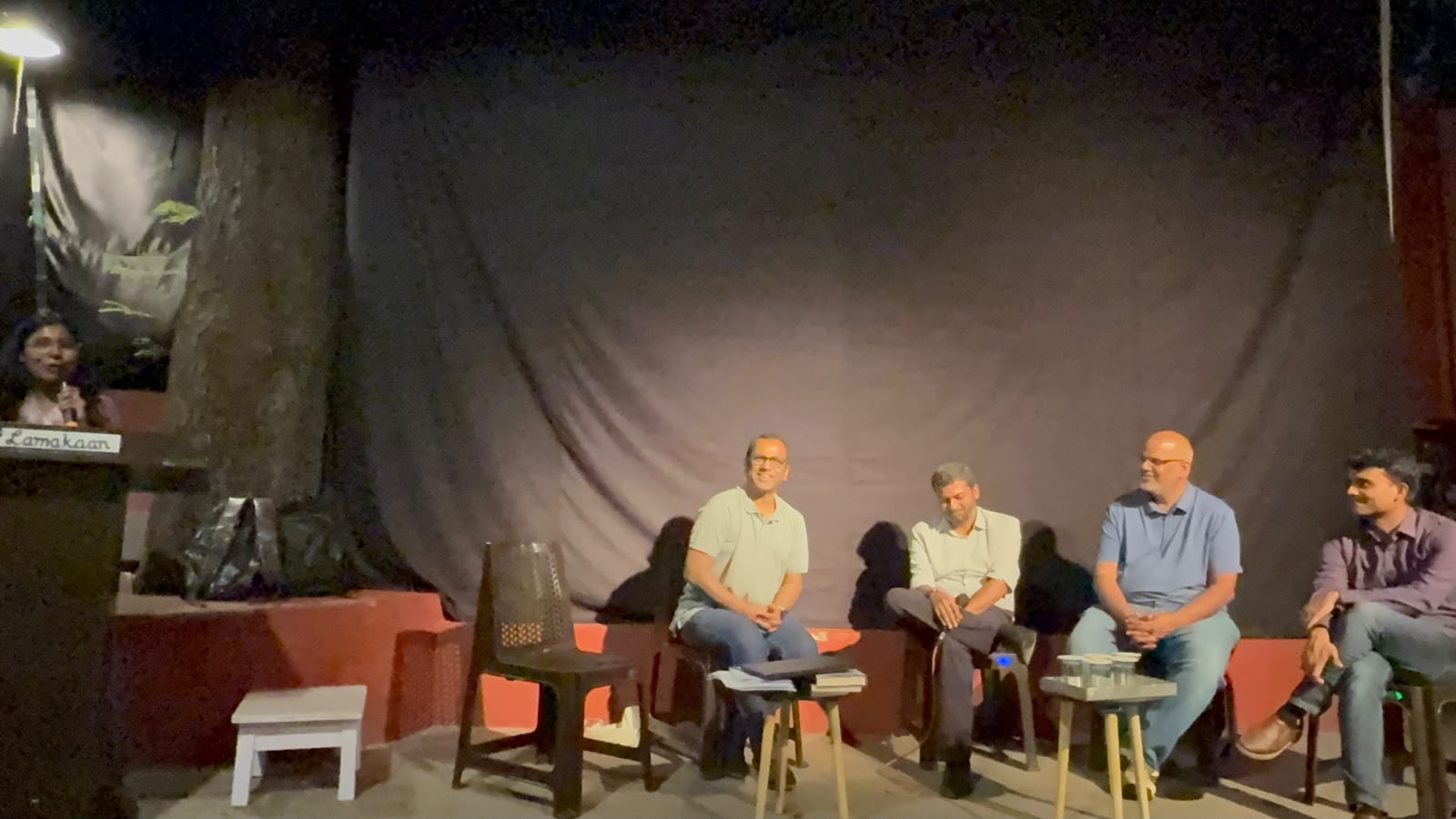
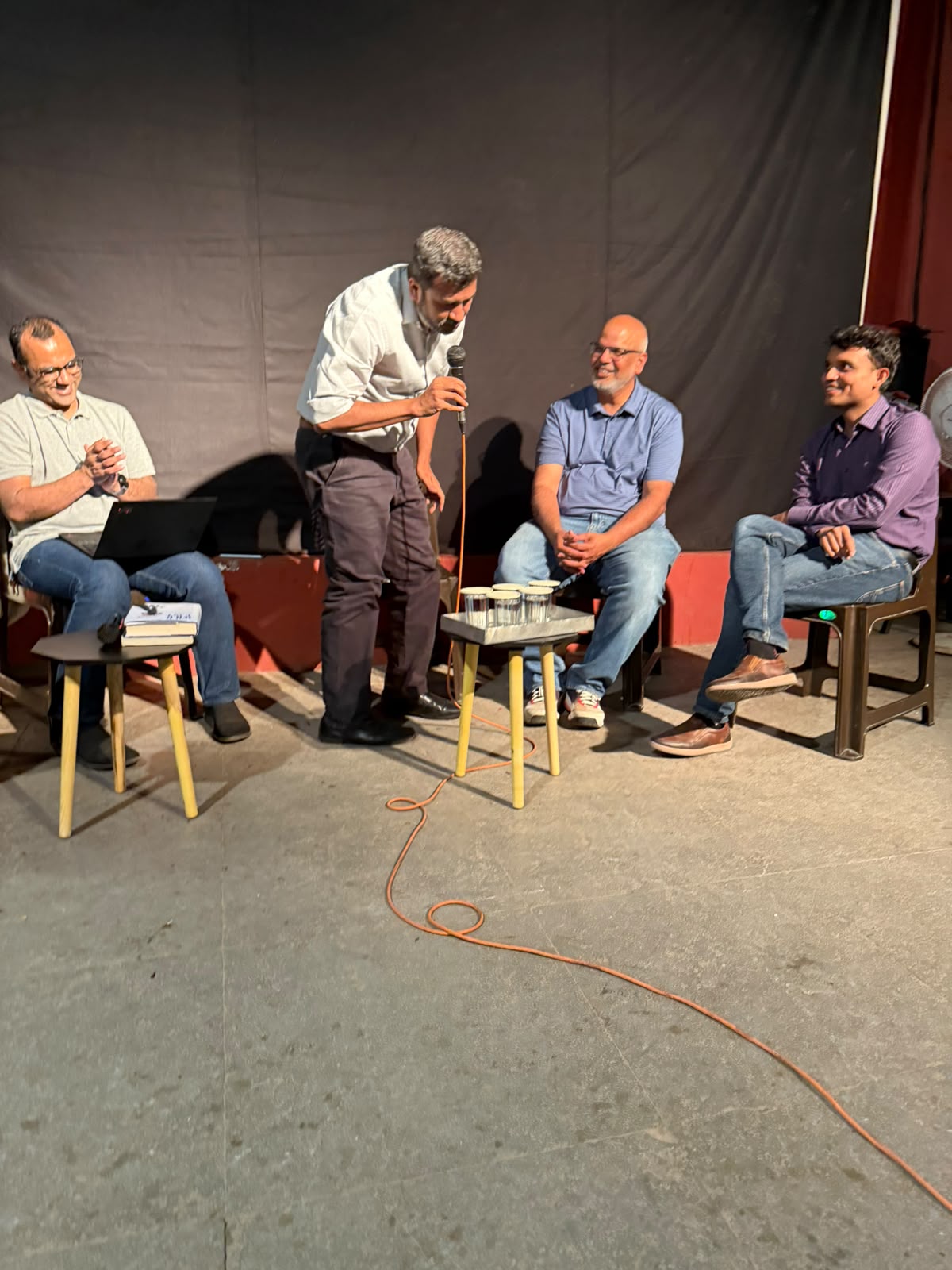
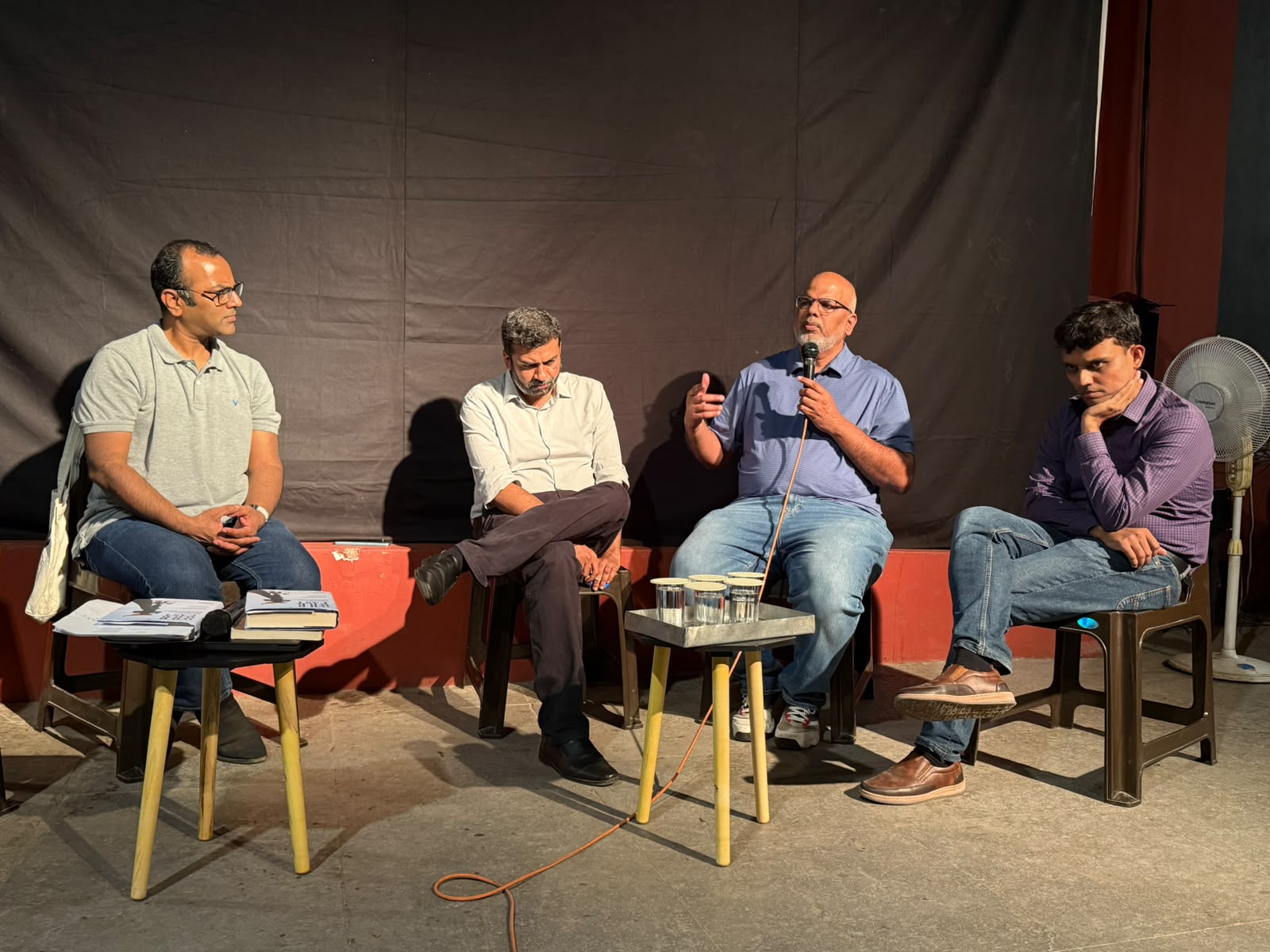
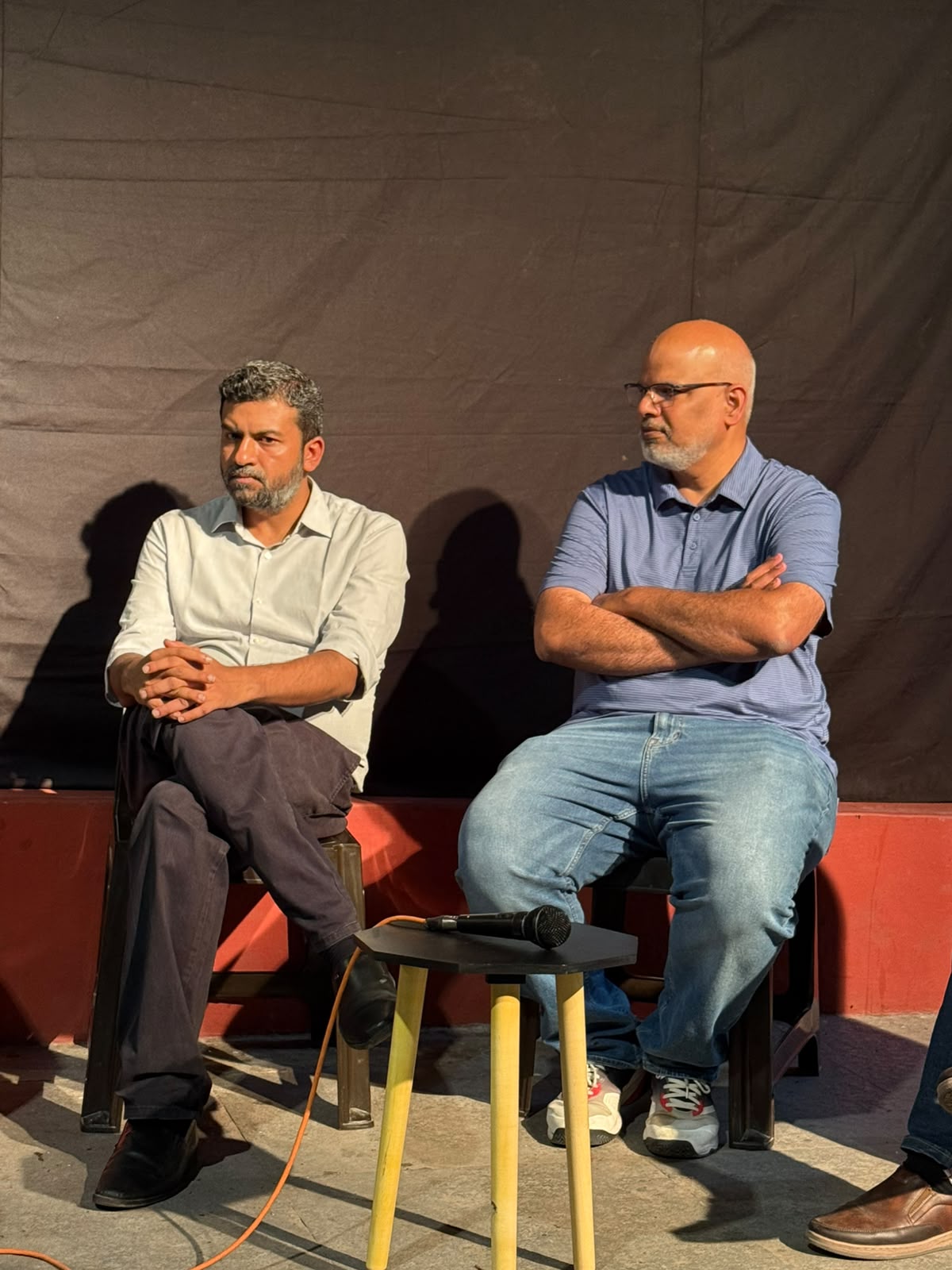
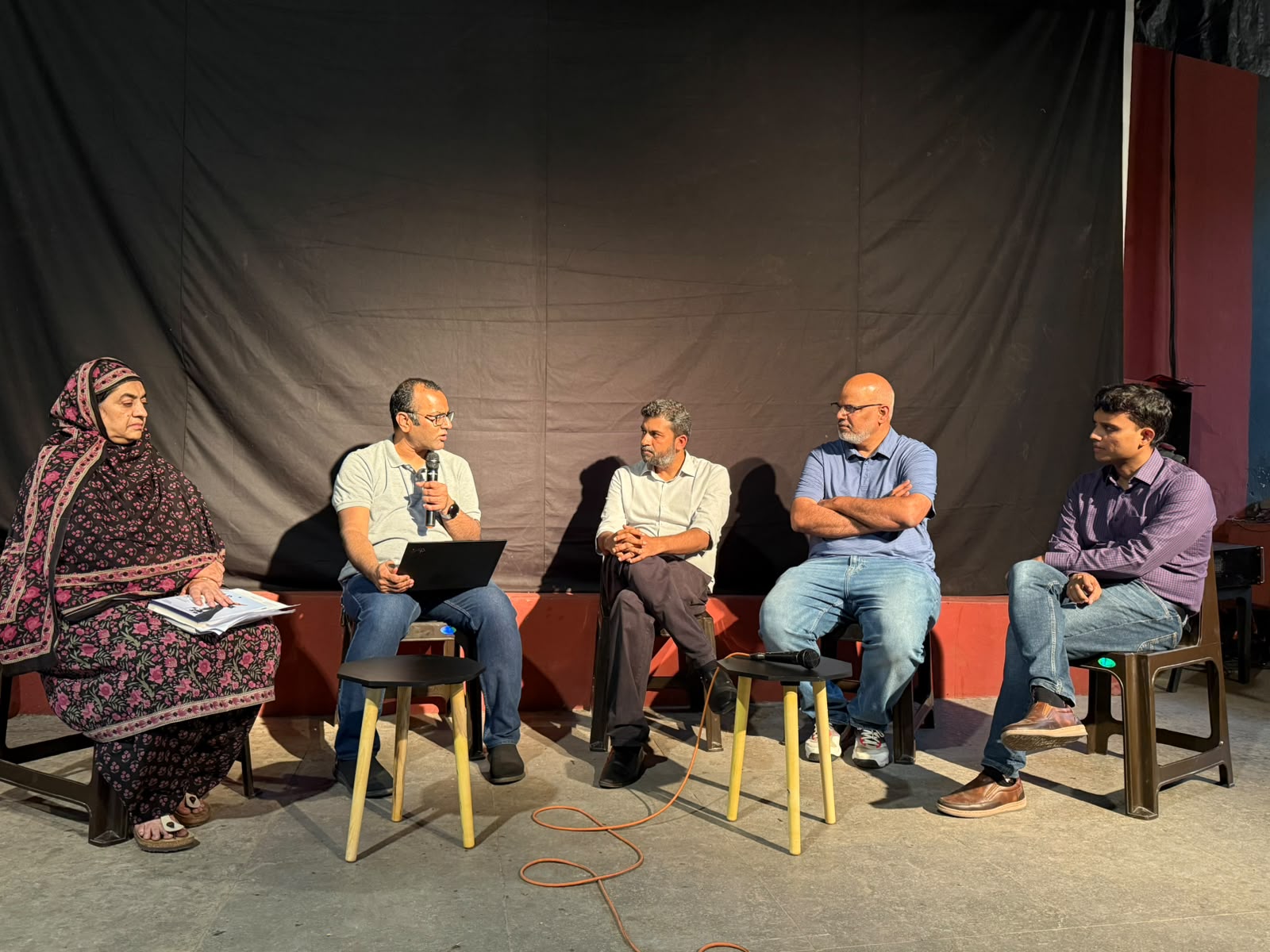
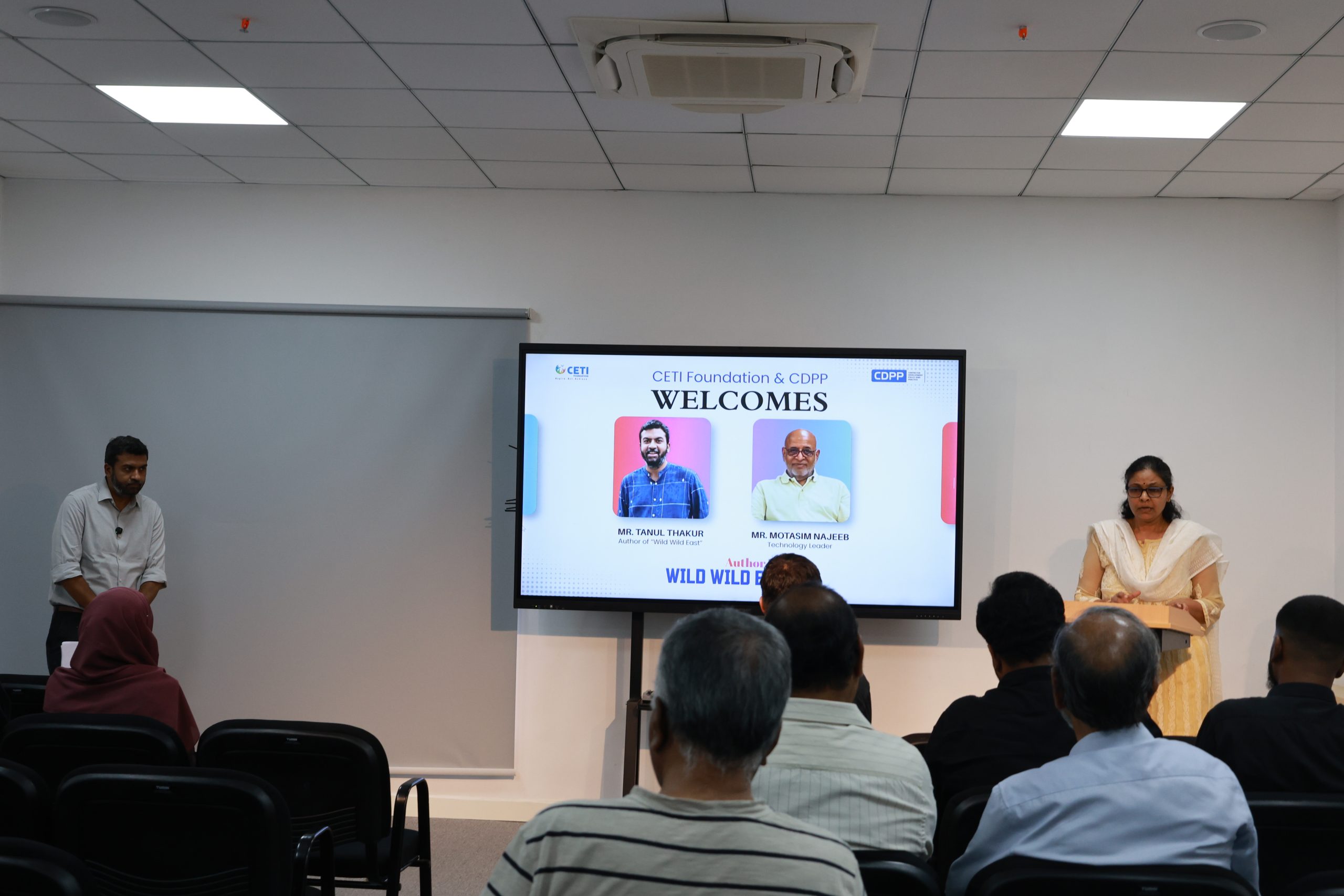
Photos from Centre for Development Policy and Practice
A BOOK TALK: by Tanul Thakur, Author, Wild Wild East
The Untold Story of the H-1B Scam
How Our Heroes Became Villains:
at Hyderabad India on Saturday, July 25, 2026
, for the first time who spoke about his own H-1B experiences after my talk.)
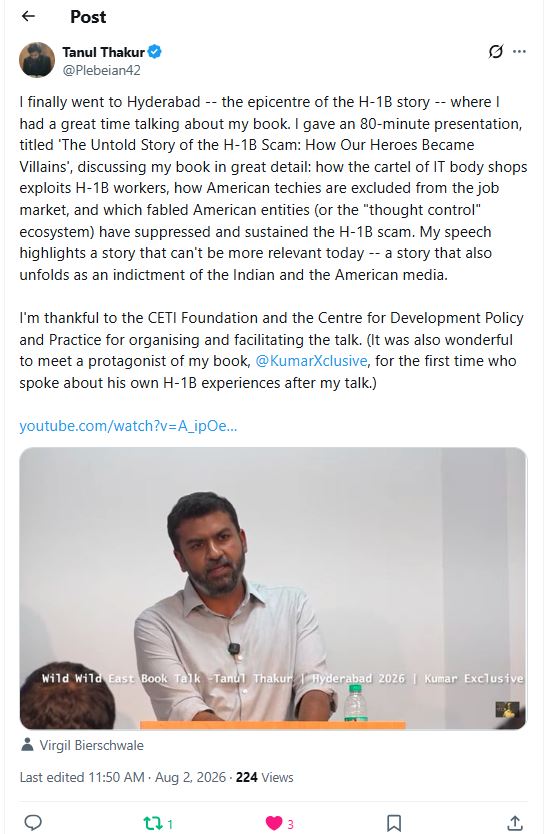
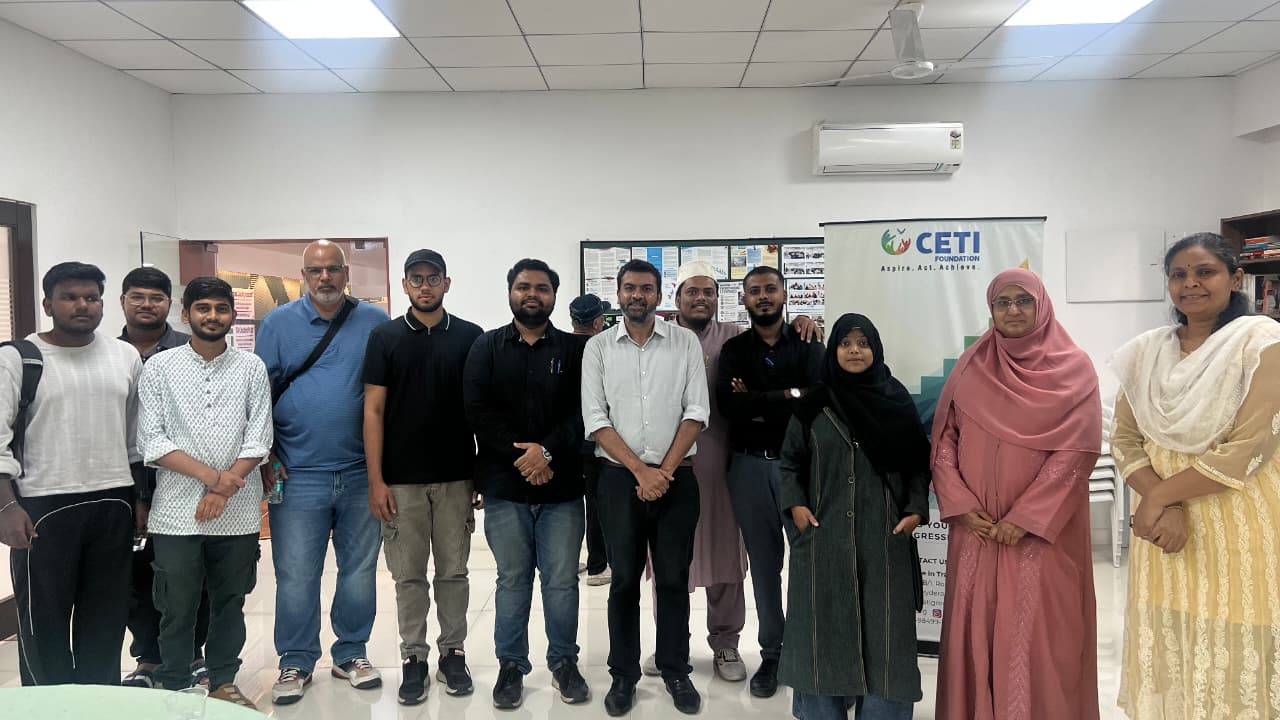
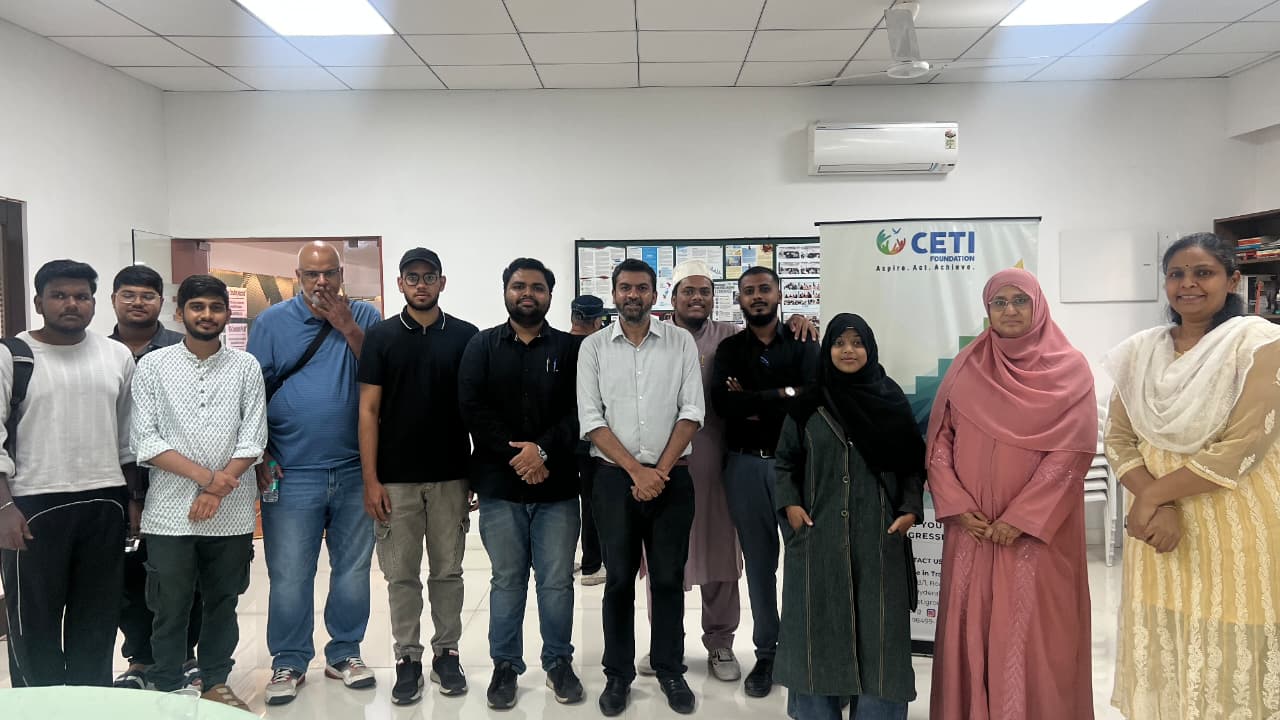
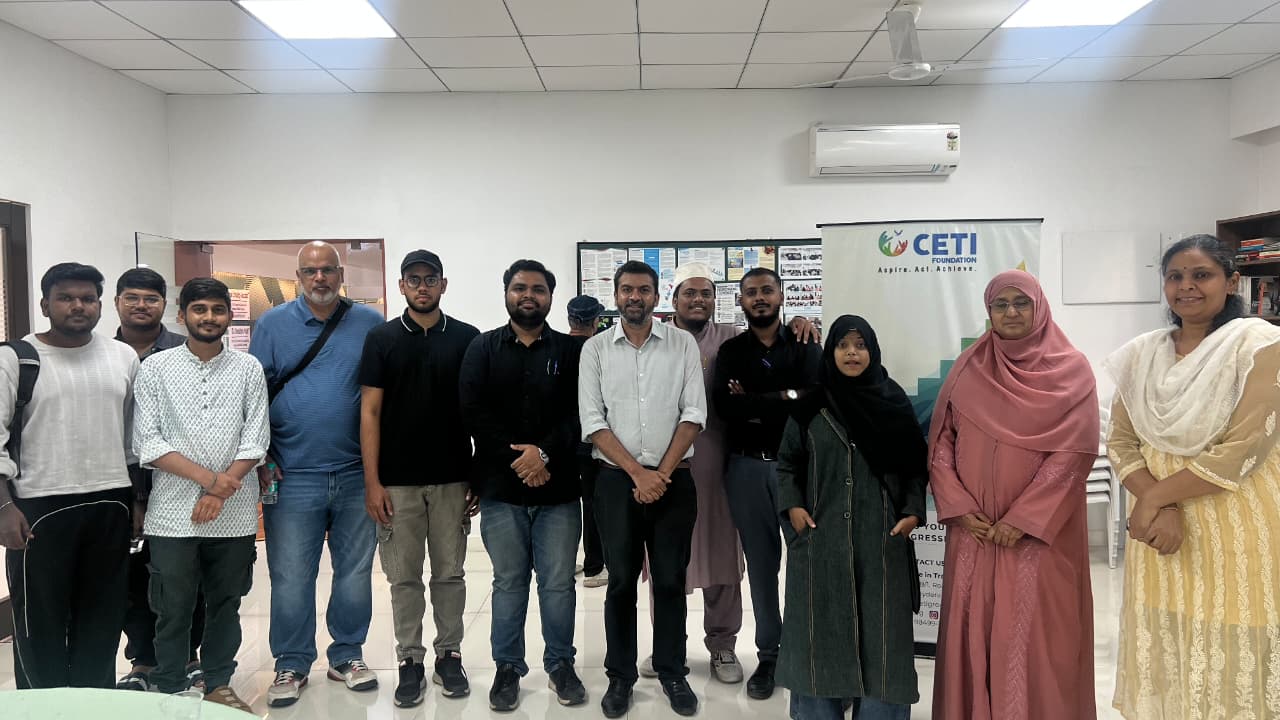
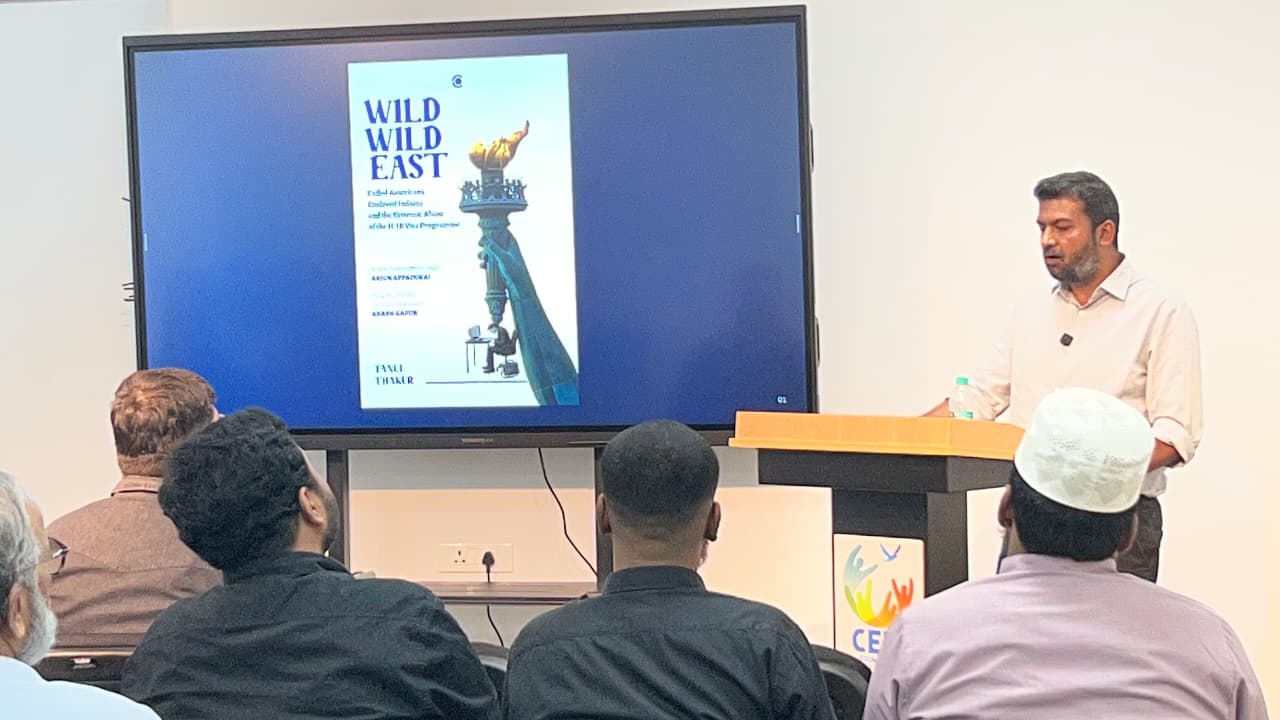


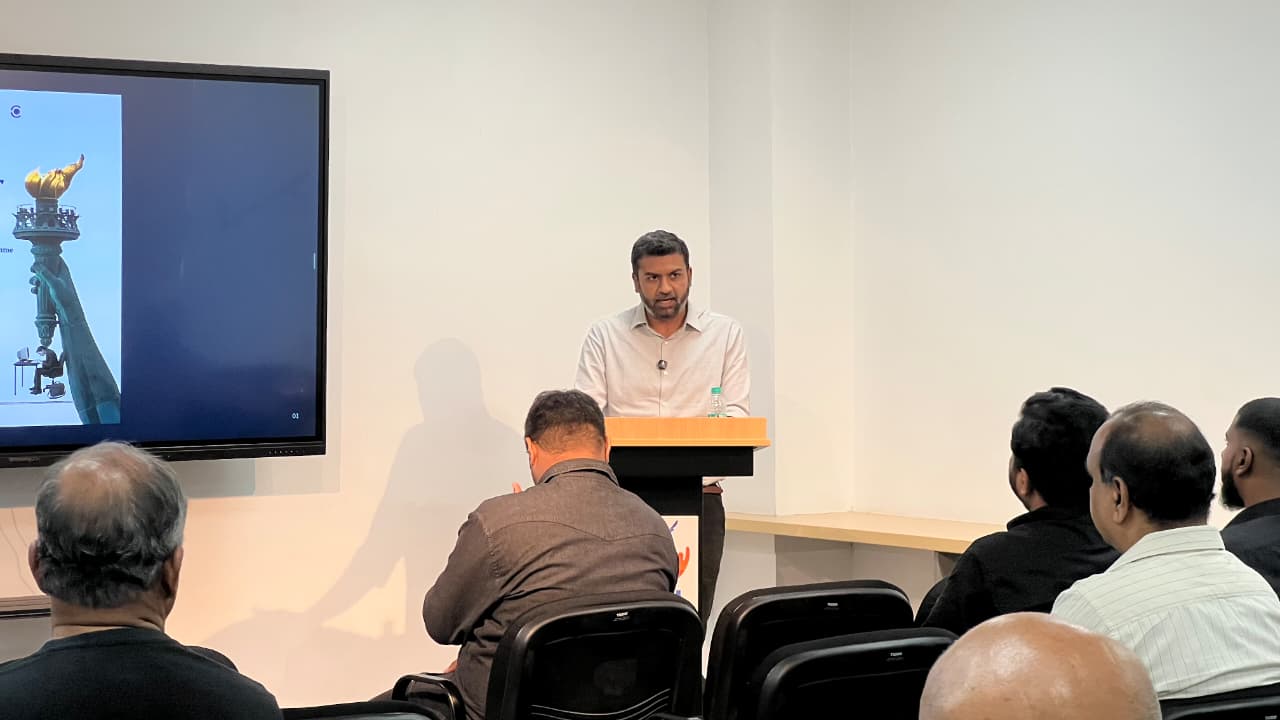
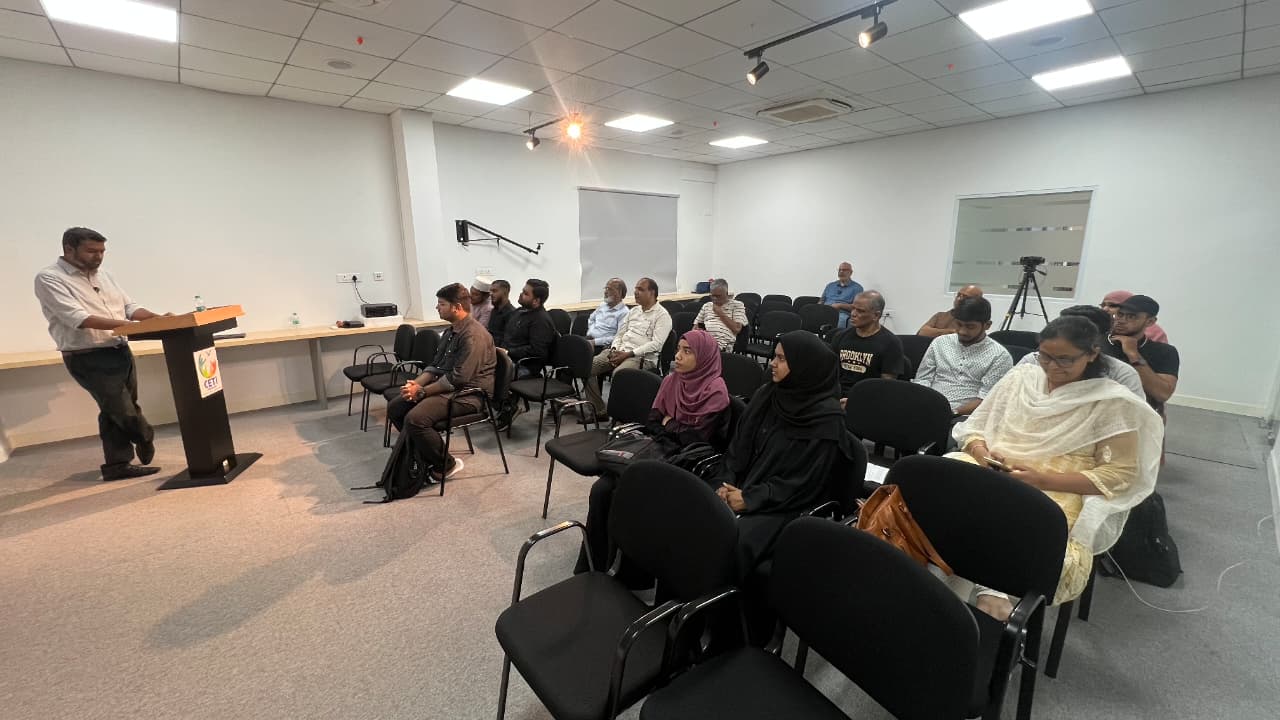
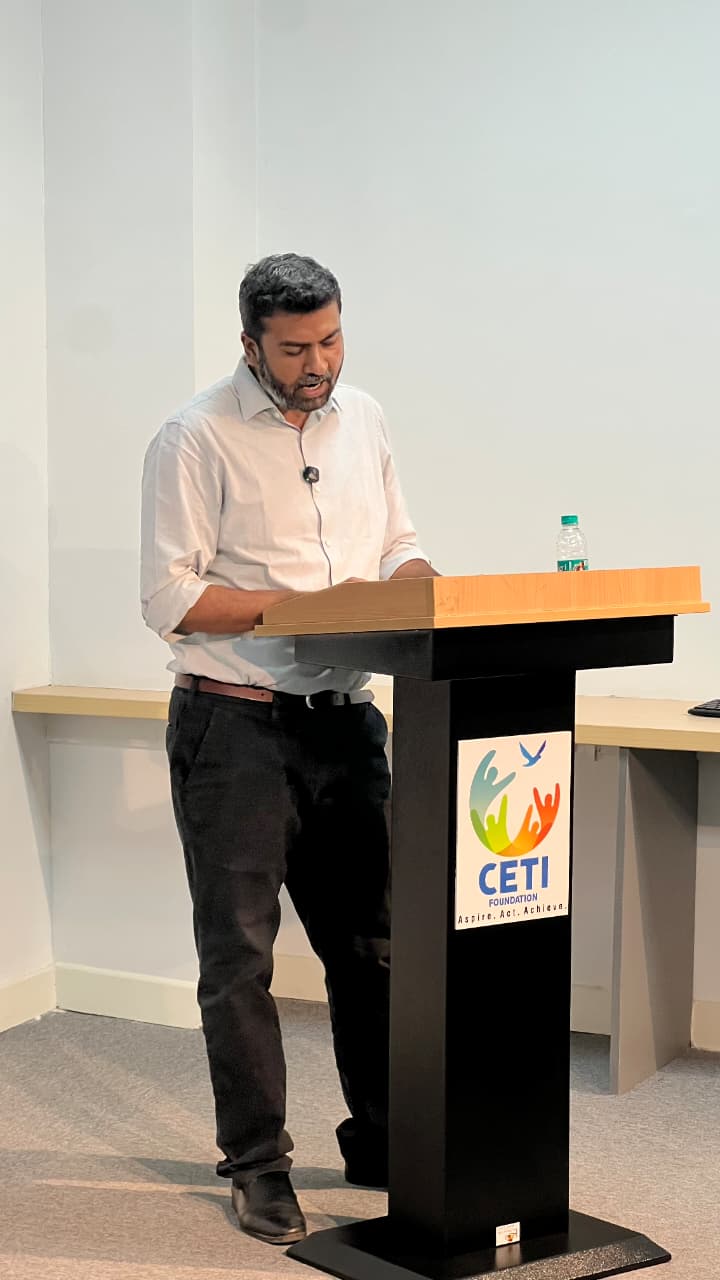
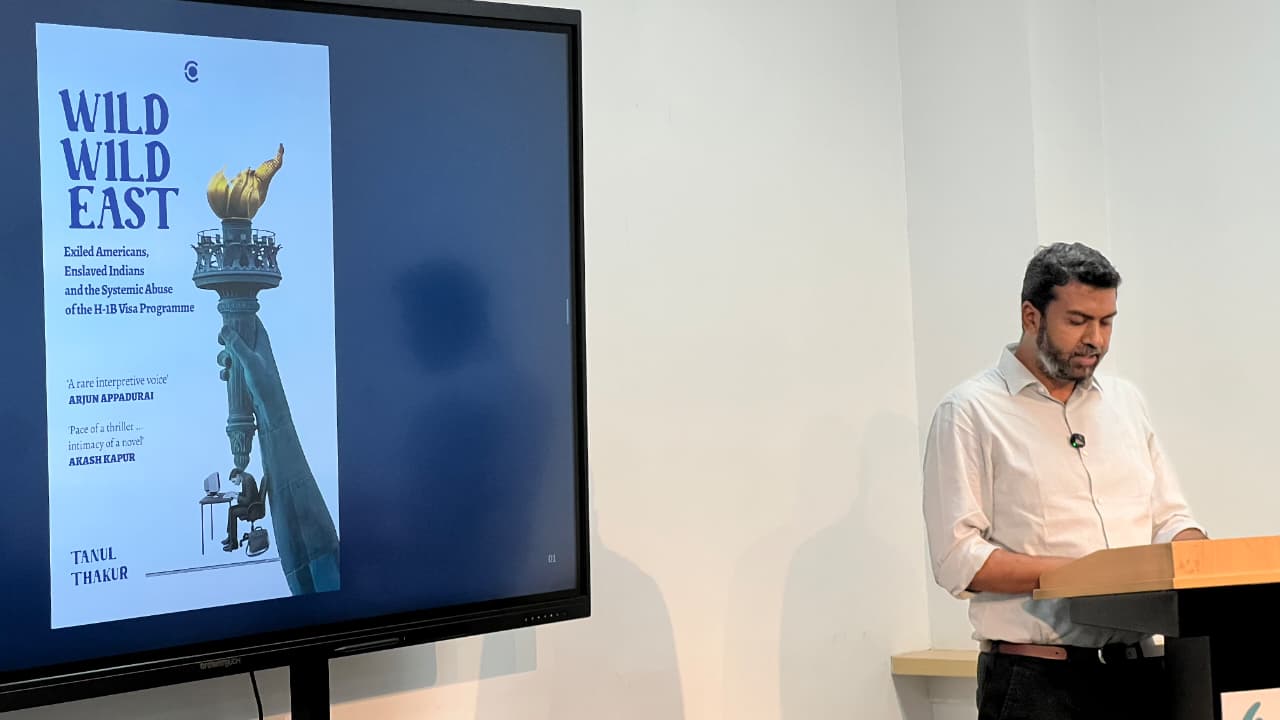
Wild Wild East Book Talk by Tanul Thakur | Hyderabad 2026 | Kumar Exclusive
https://youtu.be/A_ipOe0RLbk

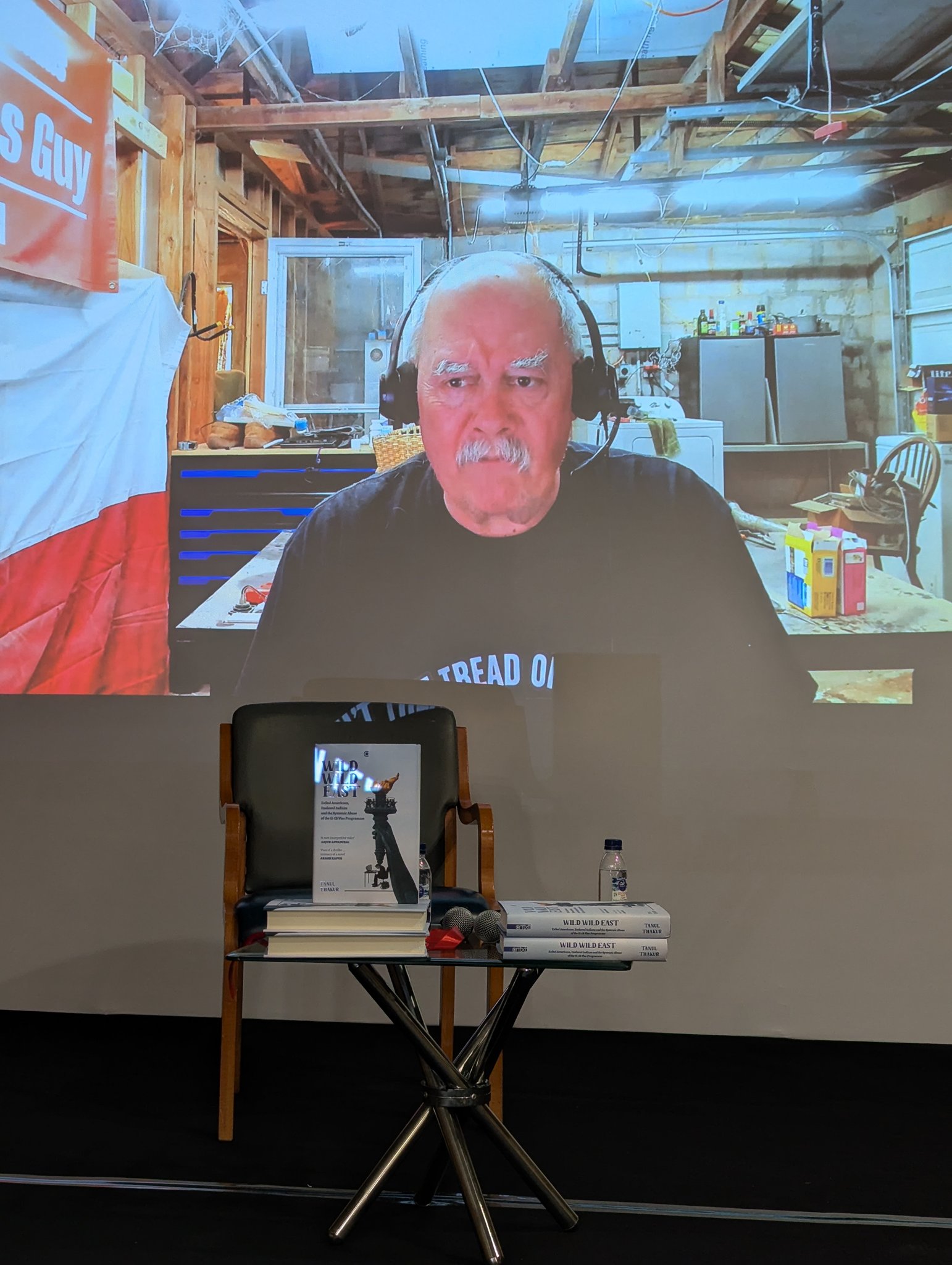
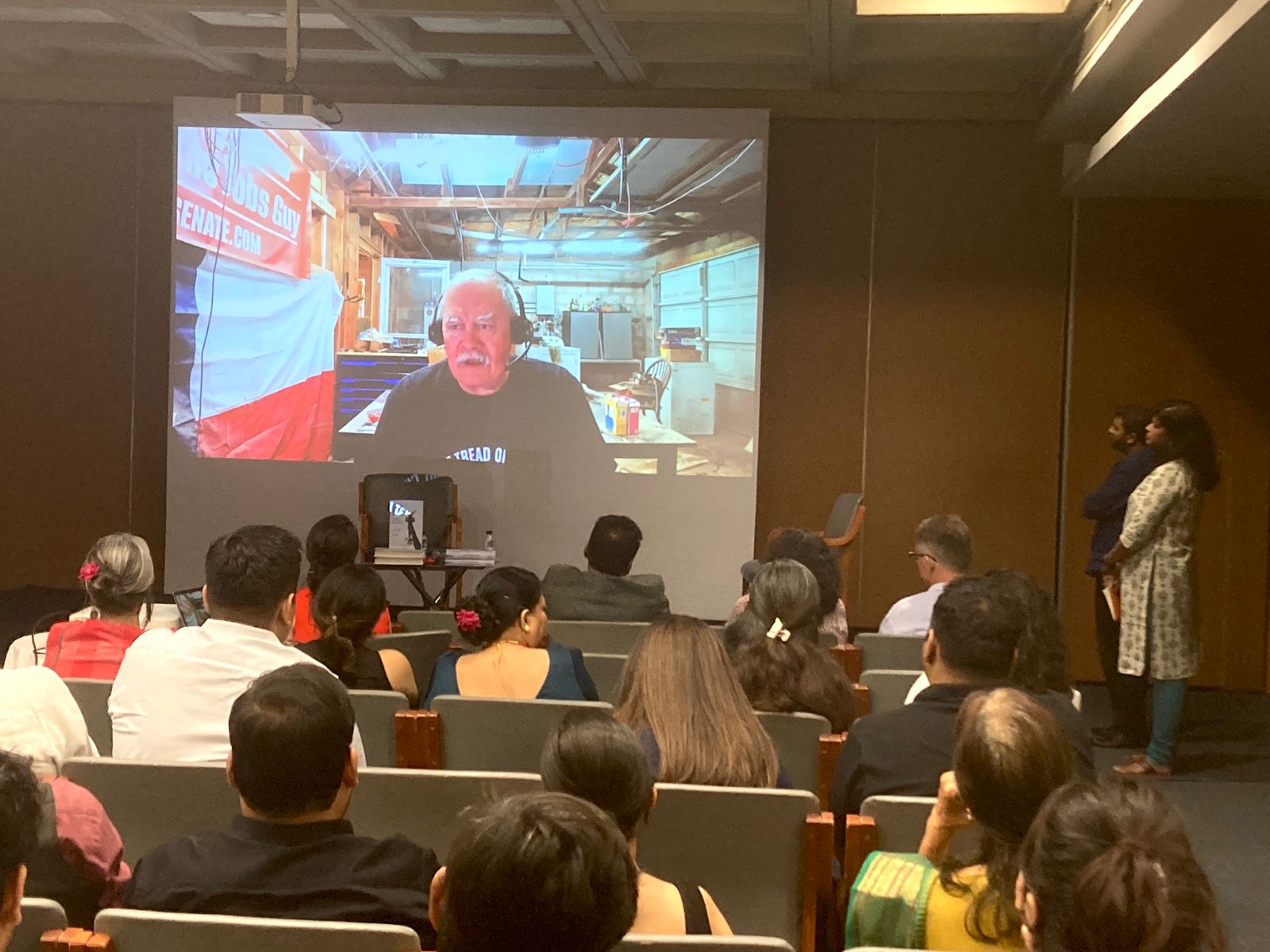
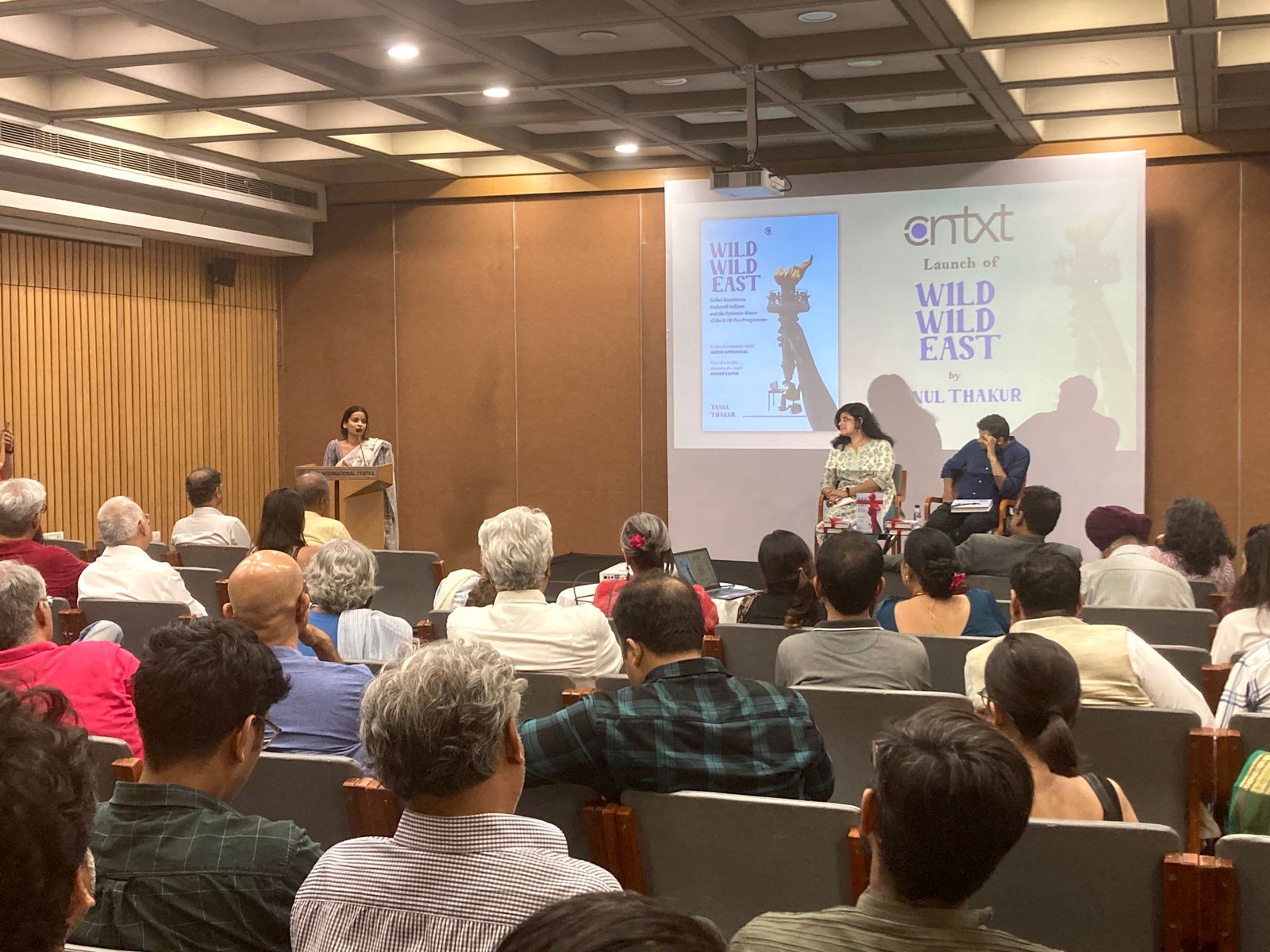
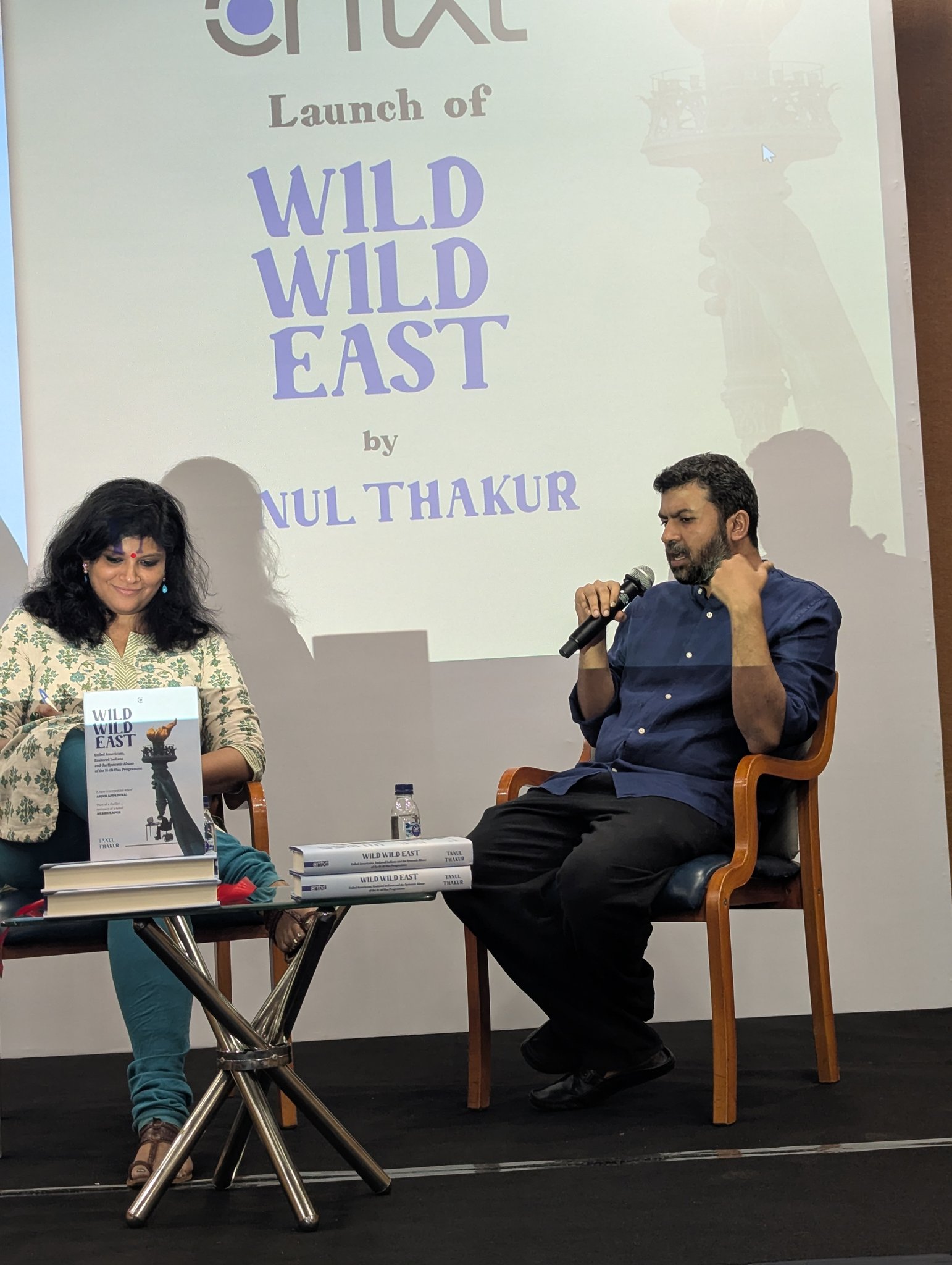
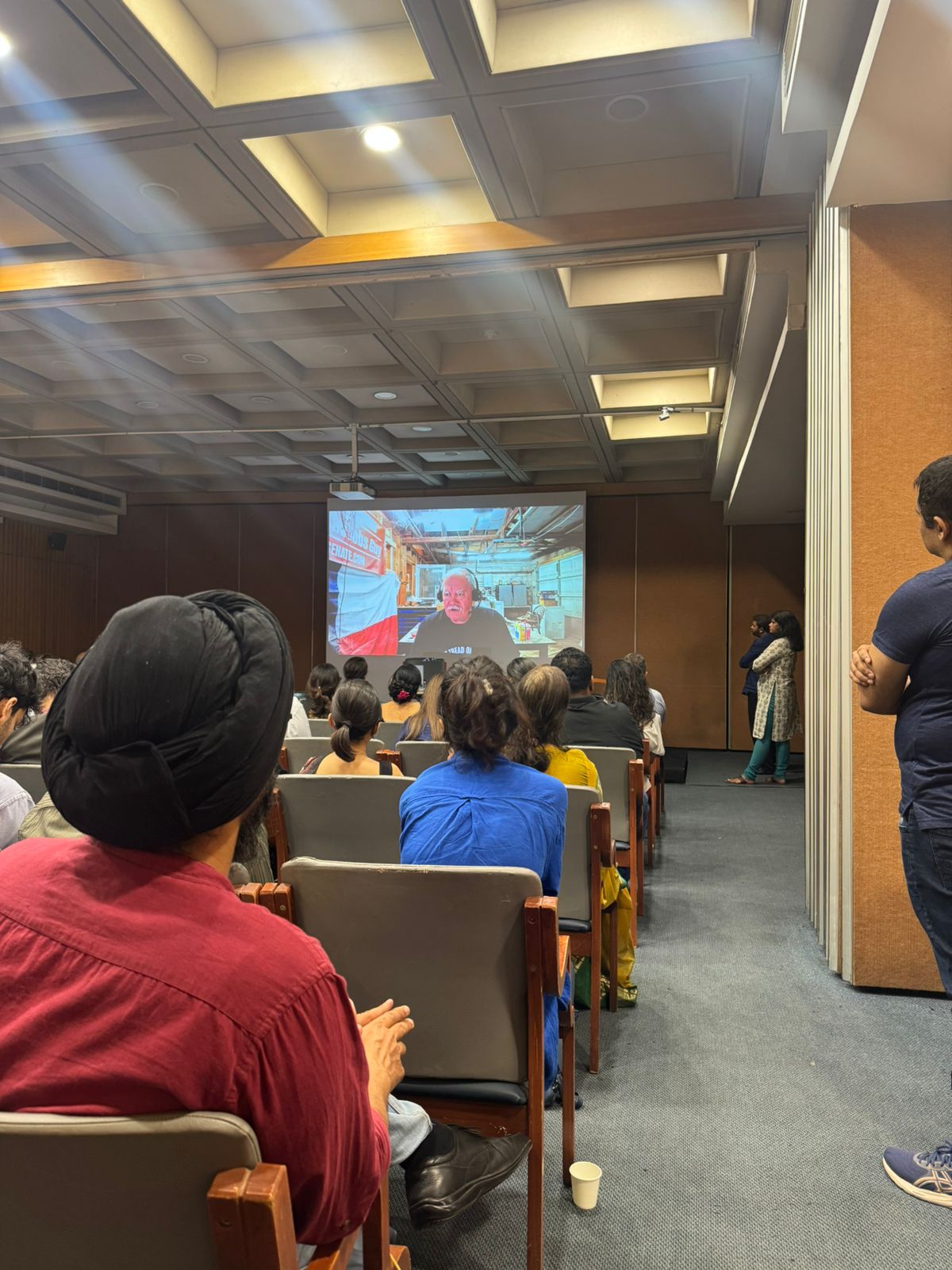
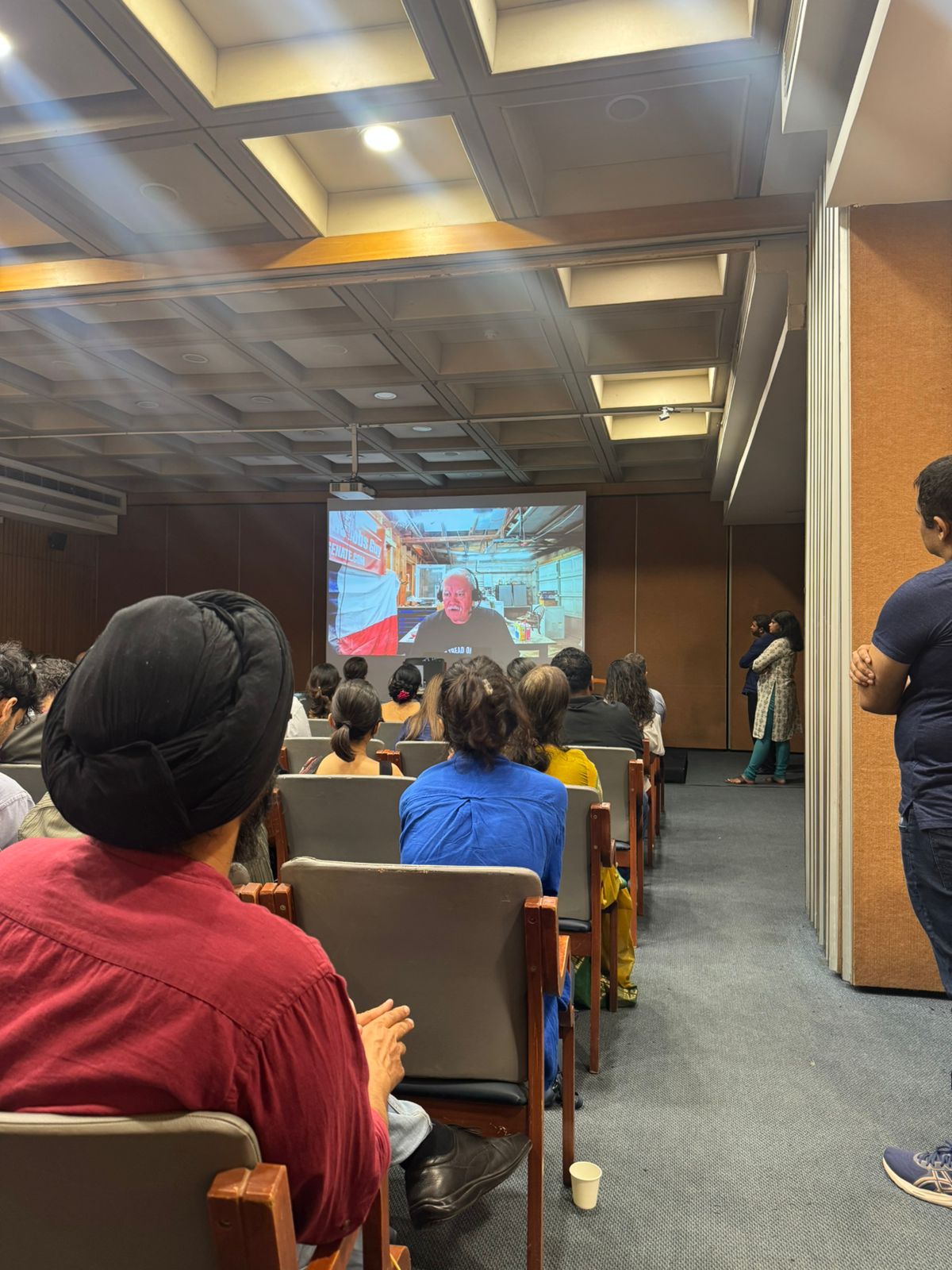
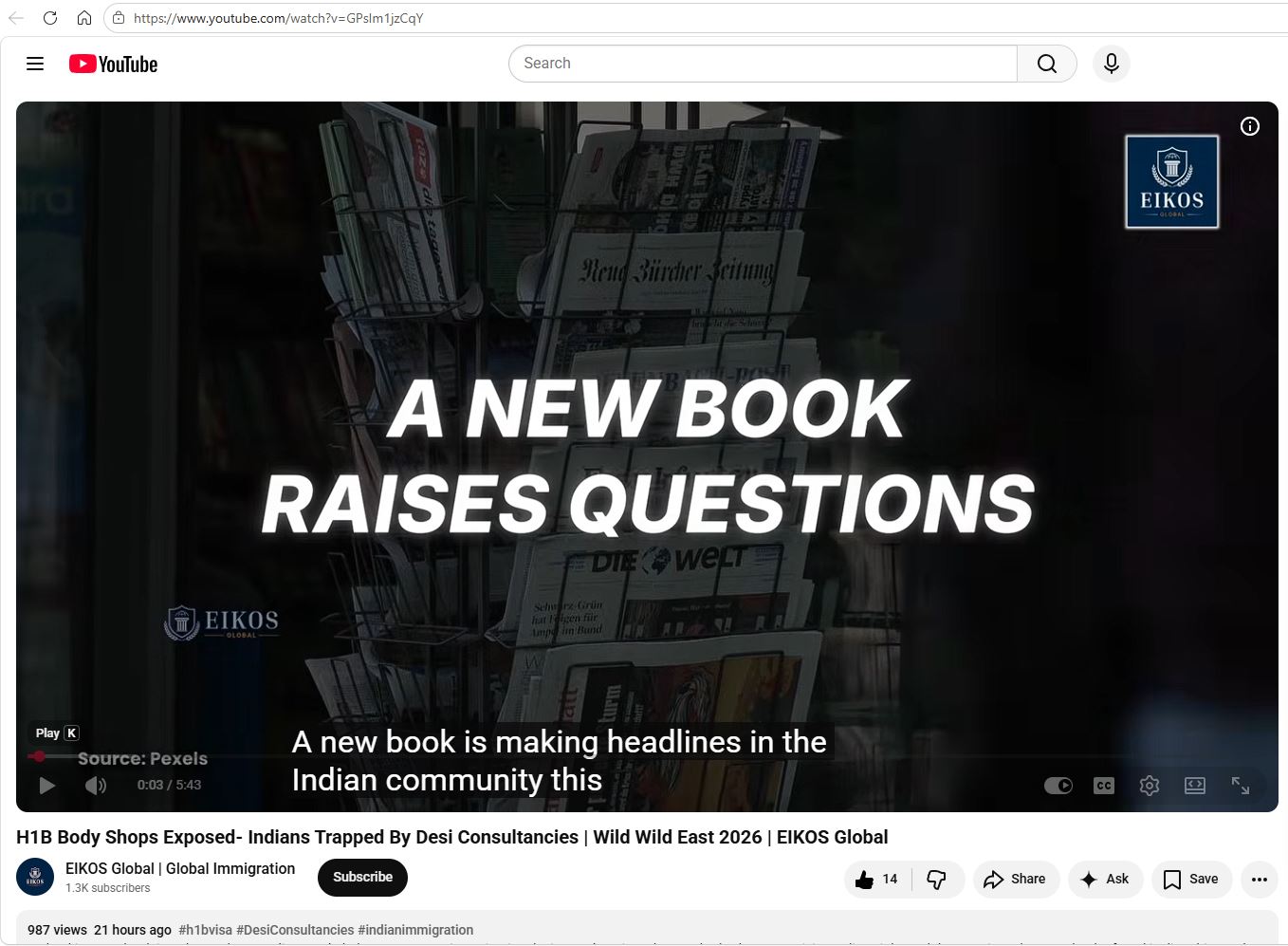

You can find few short videos on my channel: Kumar Exclusive
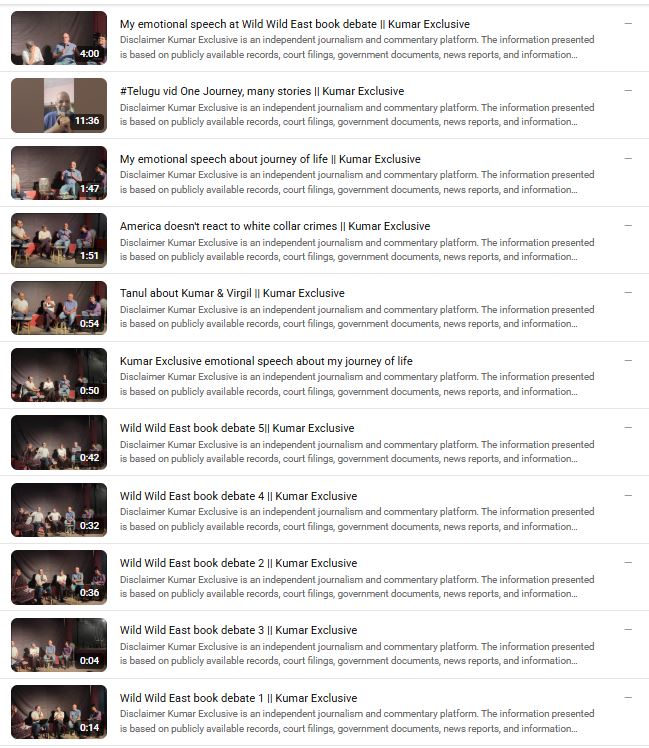
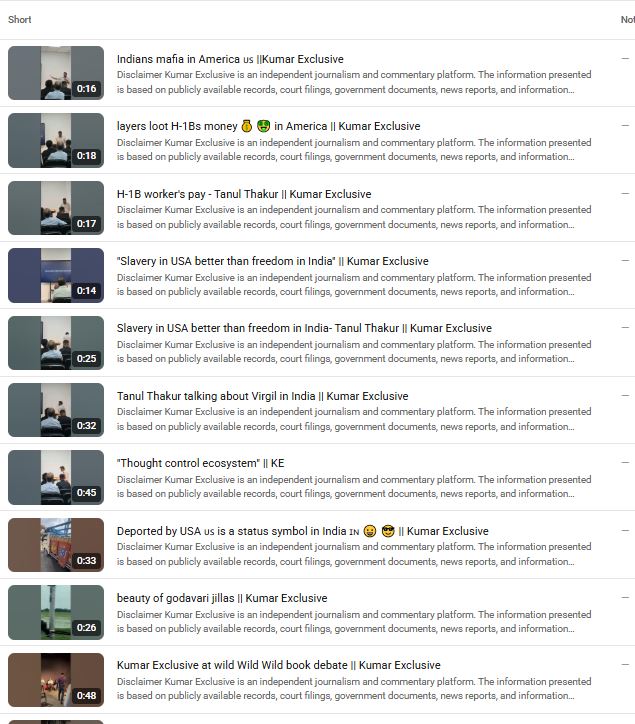
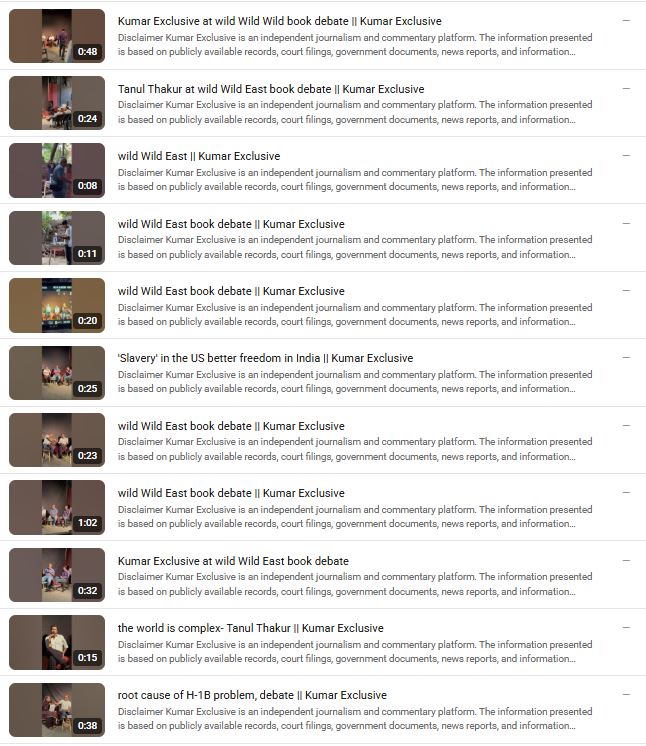
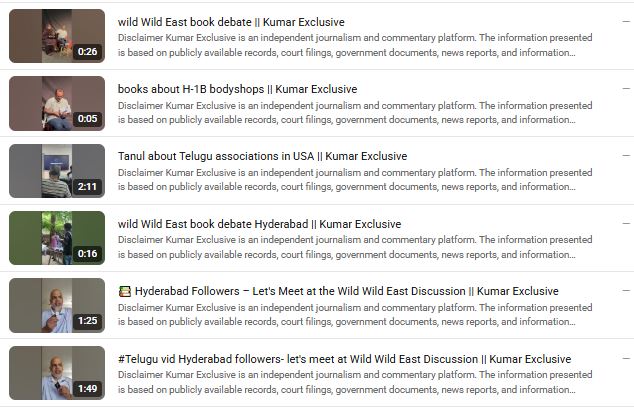
One Journey, Many Stories
My recent trip from the United States to India became much more than just a journey home. Along the way, I met fellow travelers from different countries, including an Indian who had lived in Canada and a visitor from the Netherlands exploring India on his own. Their stories offered unique perspectives on life, migration, and opportunity.
In this video, I also reflect on the challenges facing many NRI families, especially aging parents who remain in India while their children build lives abroad. I share my thoughts on the changing H-1B landscape, the rapid growth of real estate, and how advances in AI could reshape the future of software careers.
I also talk about attending two Wild Wild East events and my experience speaking for about 15 minutes on stage. It was an emotional moment for me. I have great respect for author Tanul Thakur and his work as a journalist. My support for his work has always been voluntary because I believe these conversations are important.
This video is simply a collection of my travel experiences, observations, and personal reflections. I hope it encourages thoughtful discussion and provides a broader perspective on issues affecting Indians, NRIs, and the global technology community.
A telugu video: https://youtu.be/126HEvsqwJc
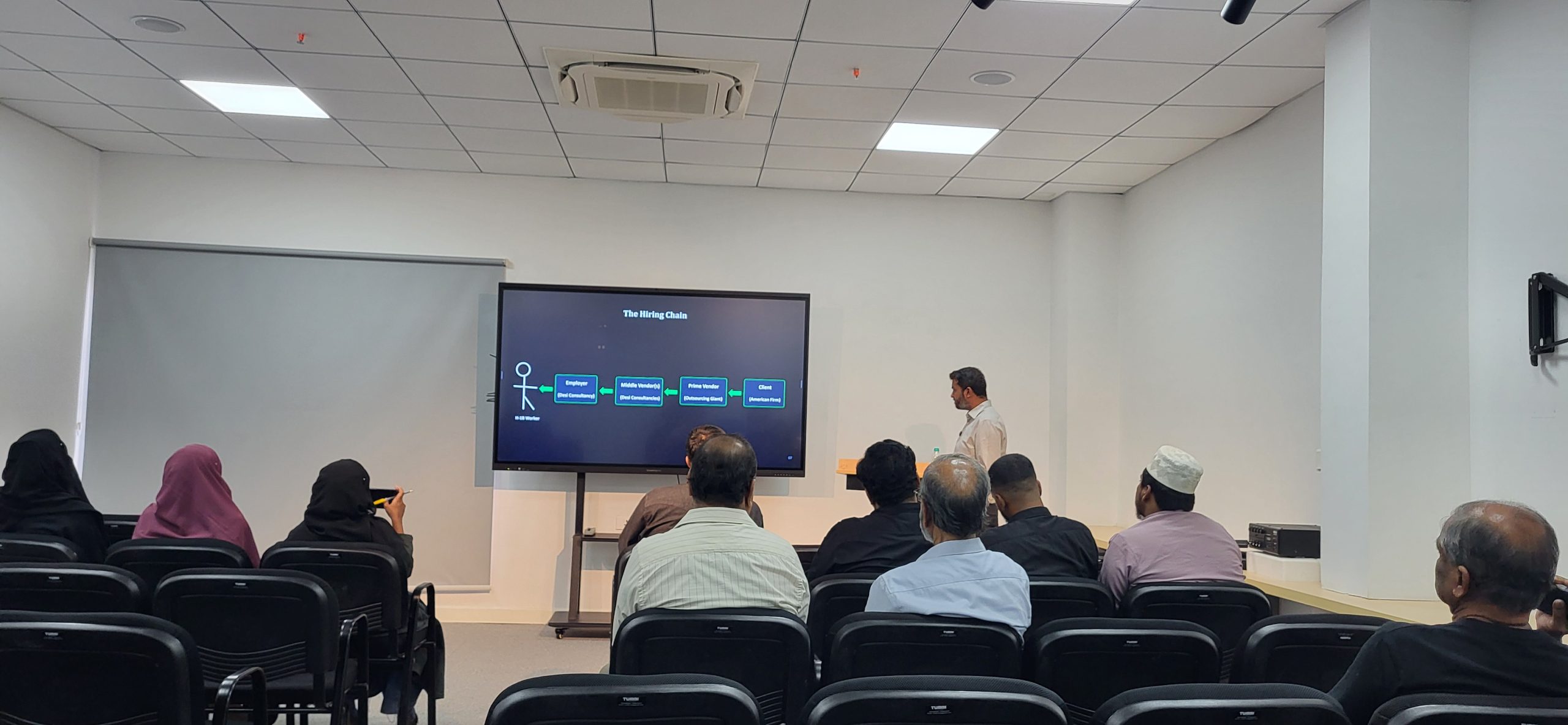
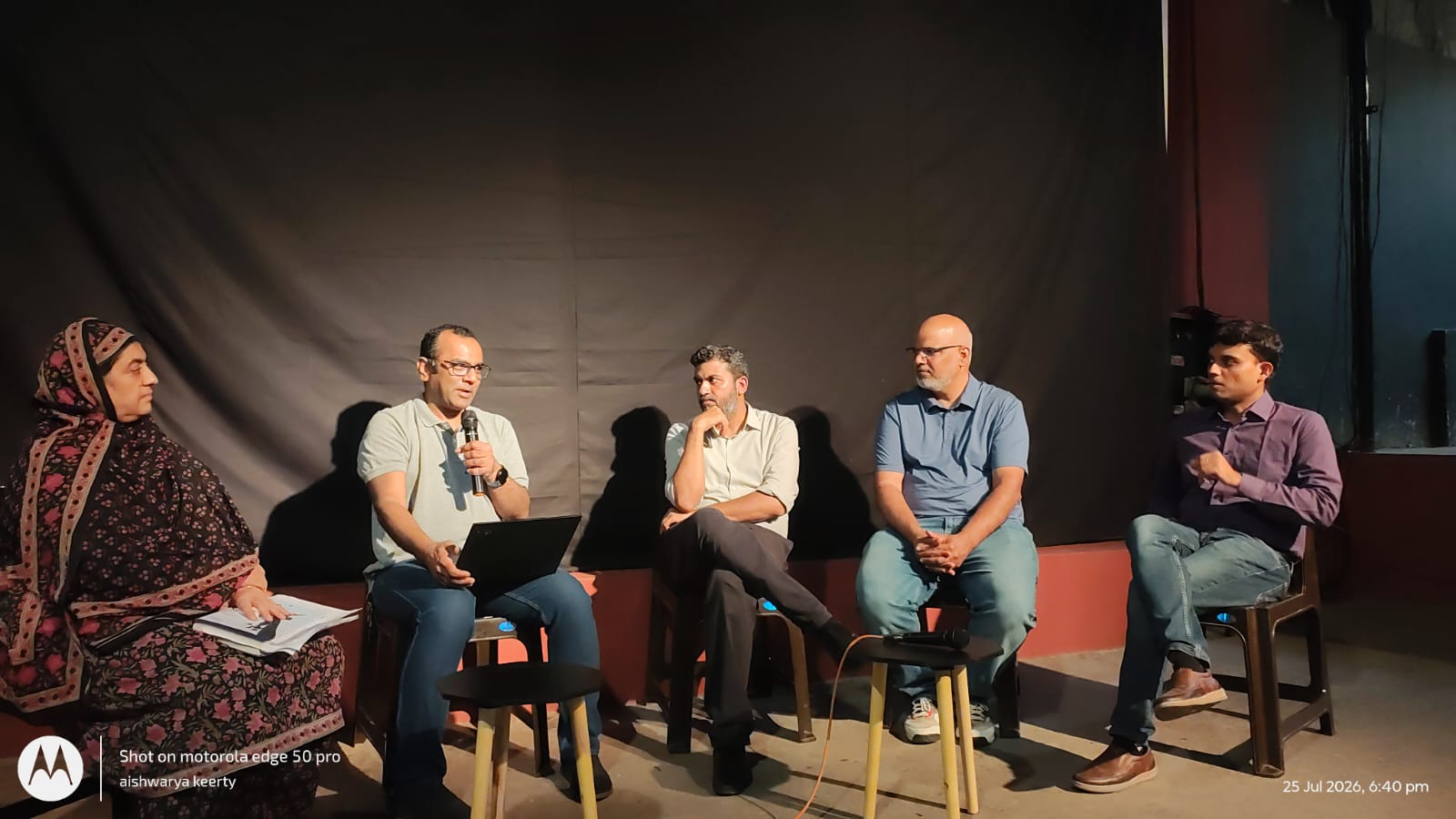
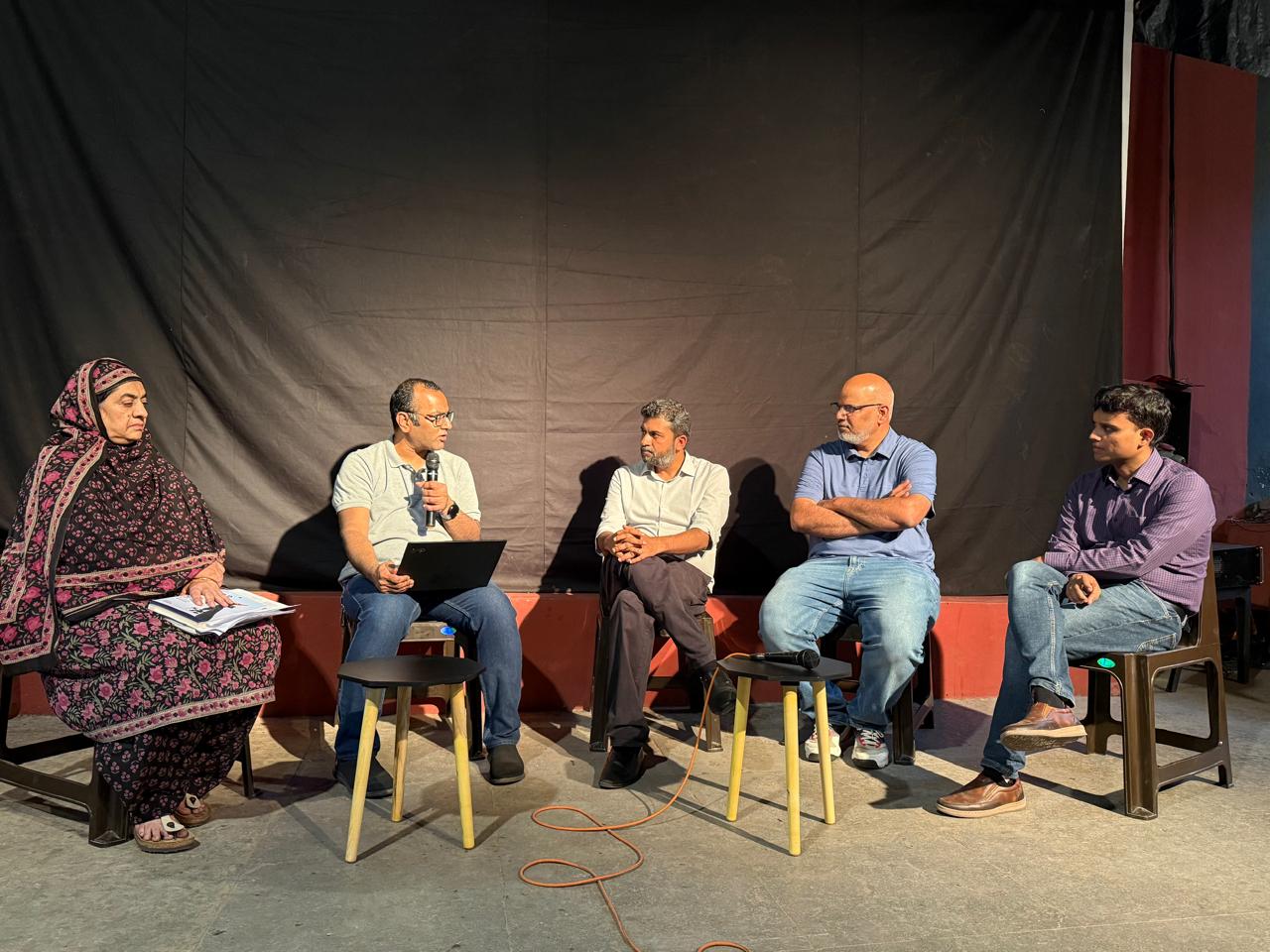
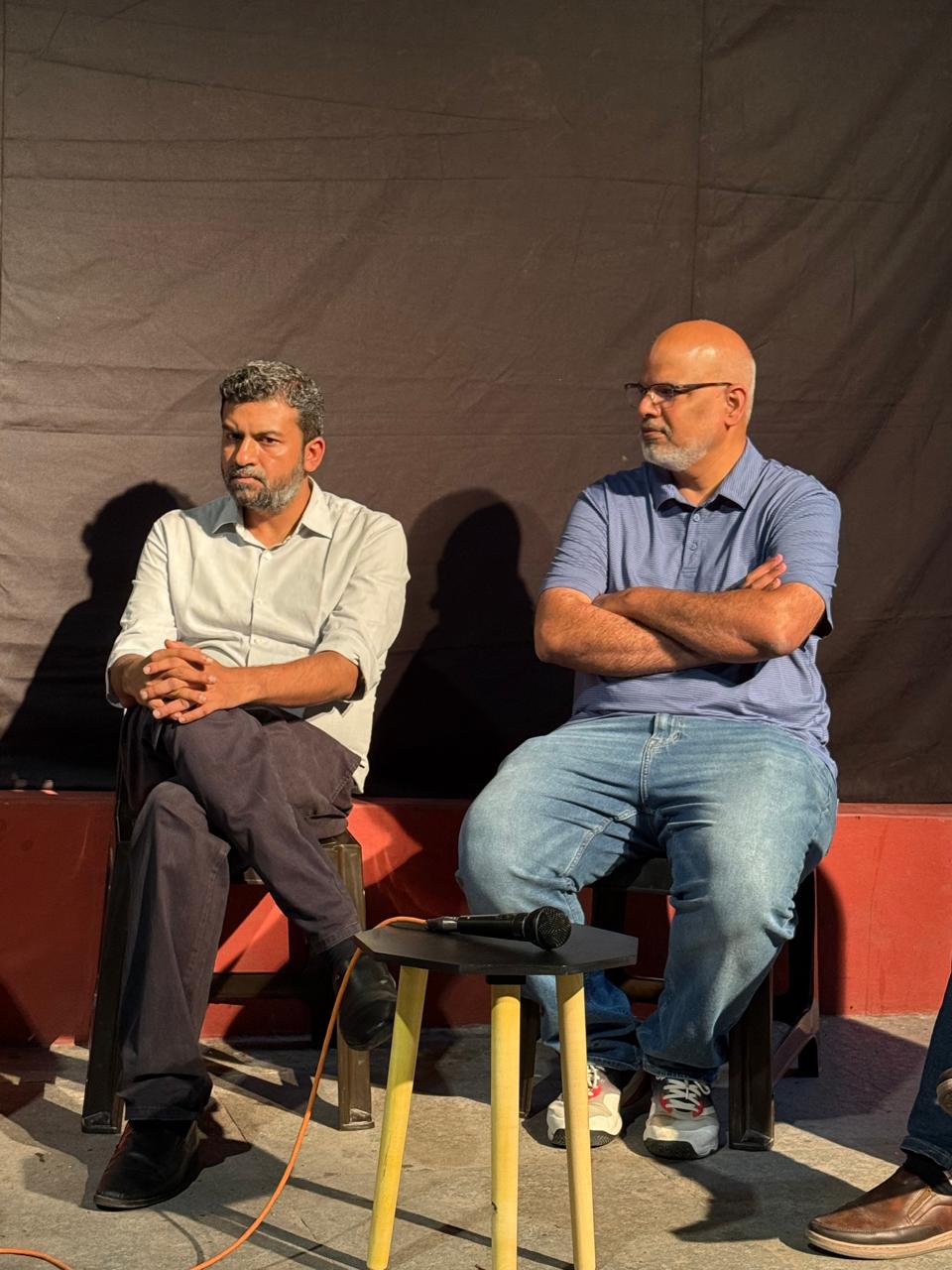
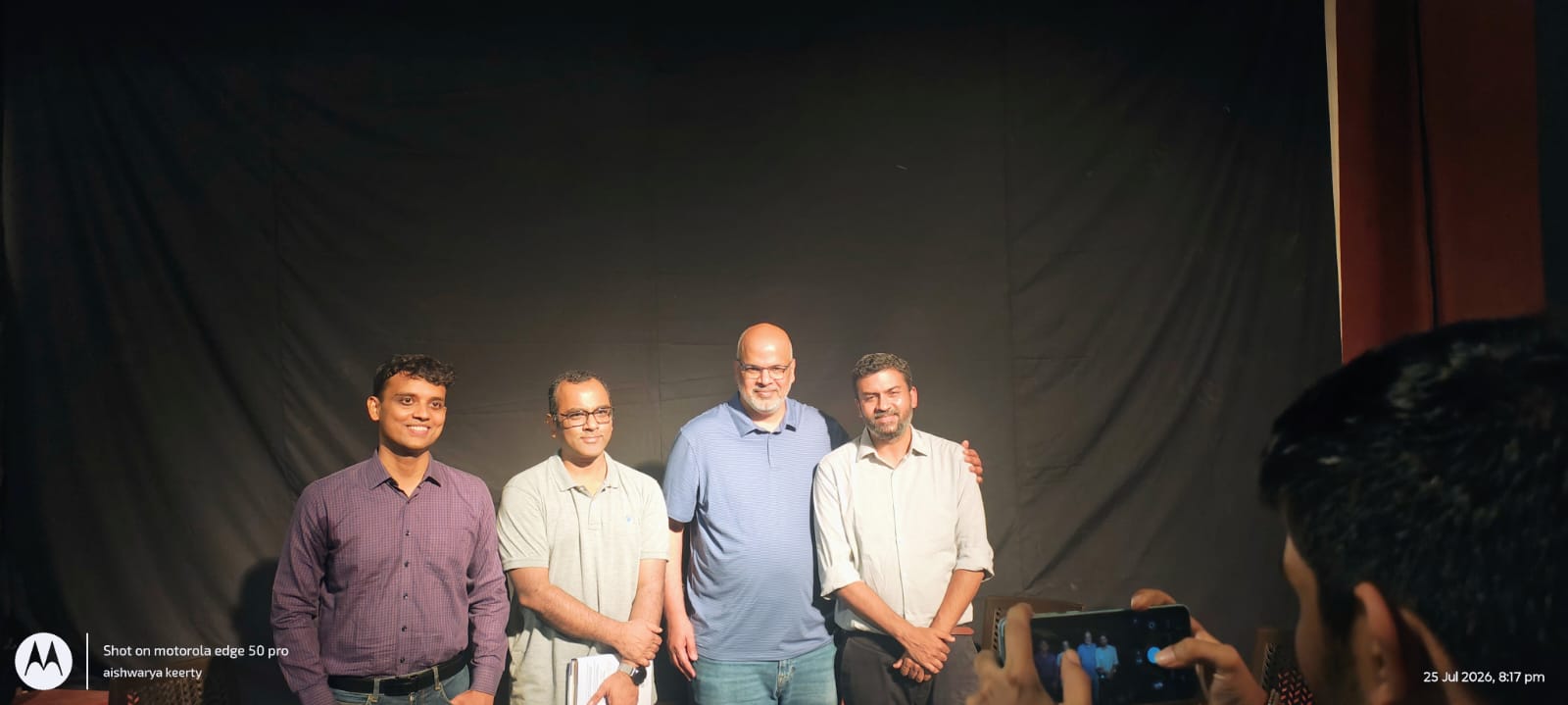
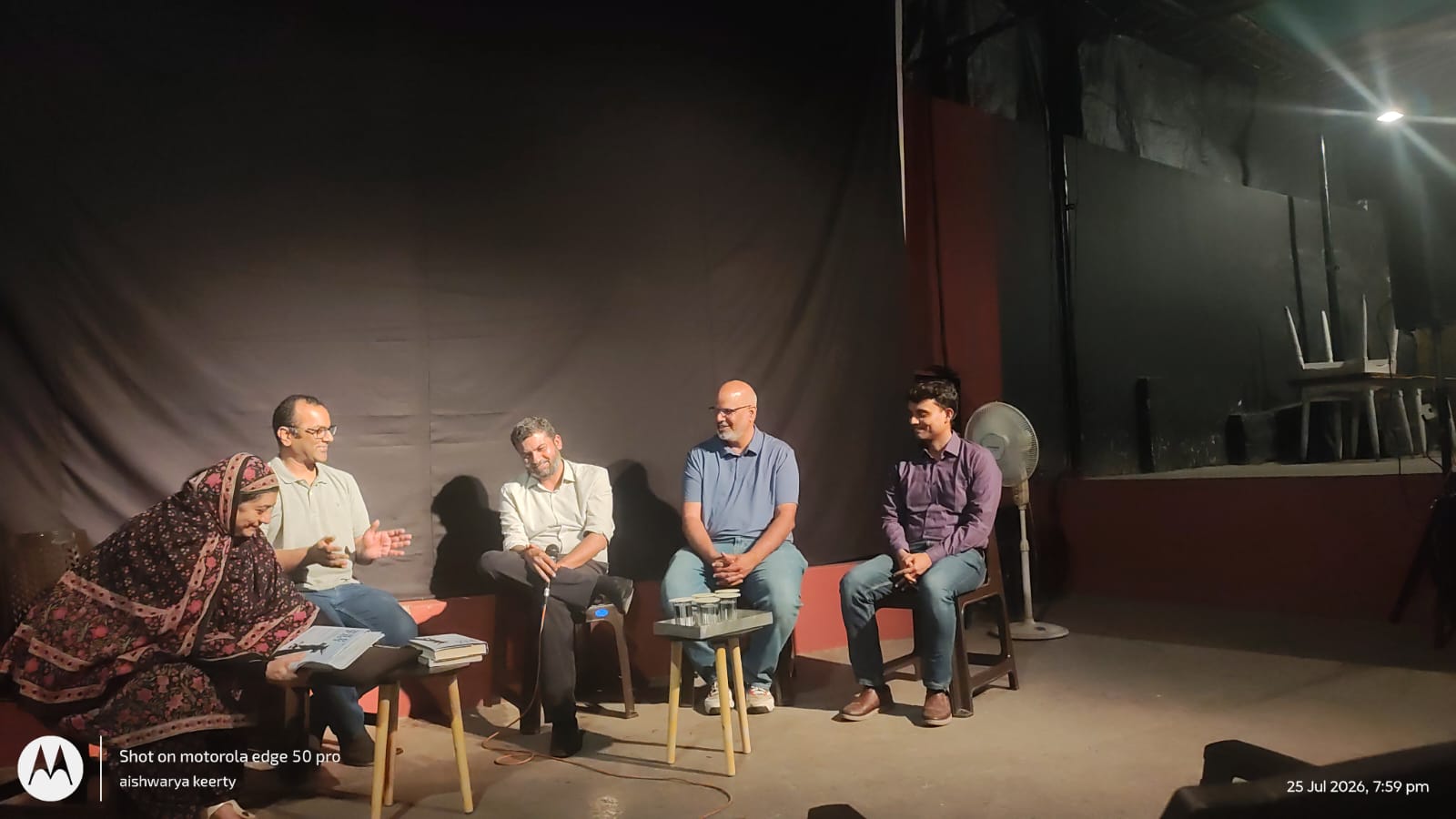
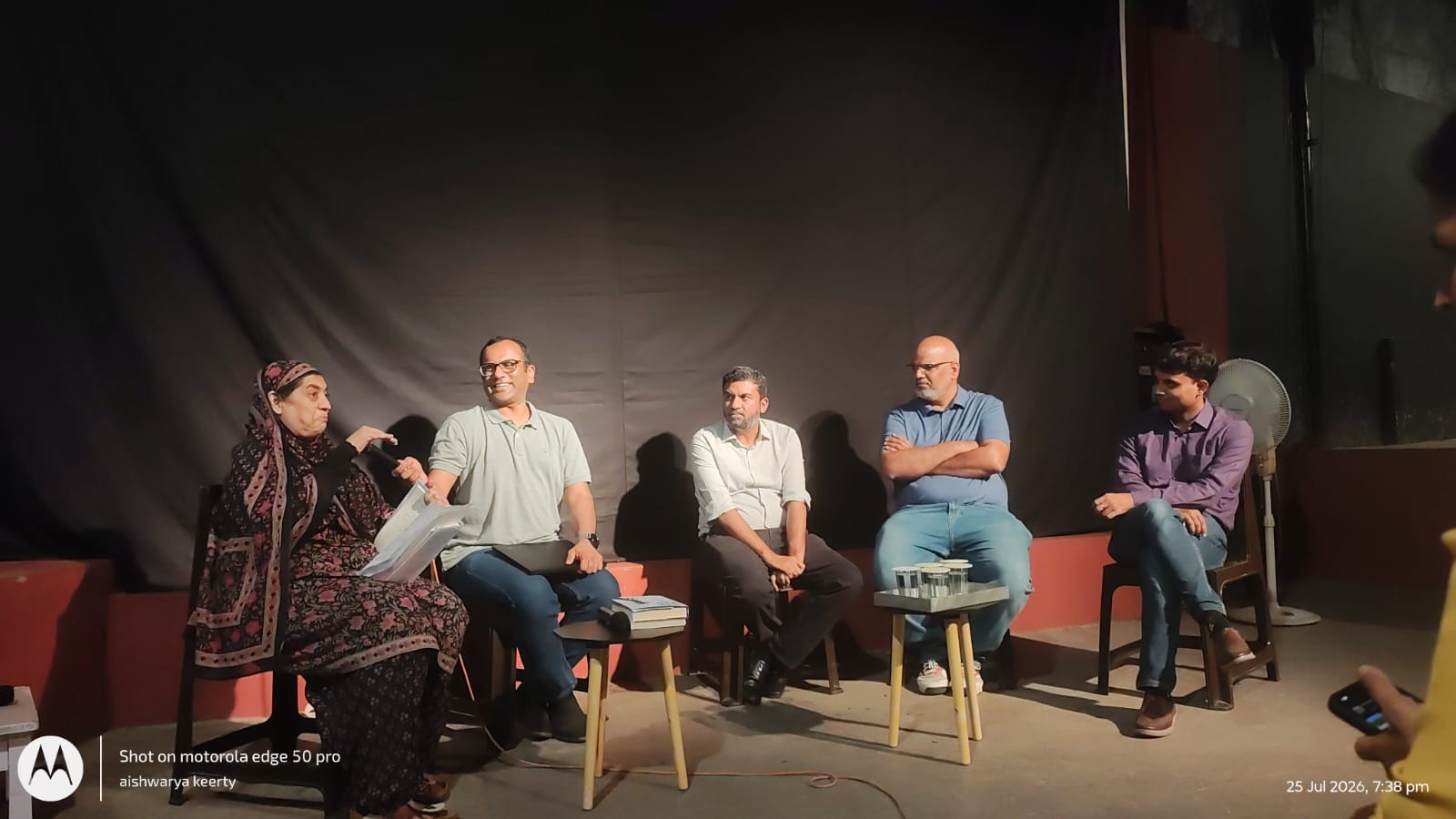
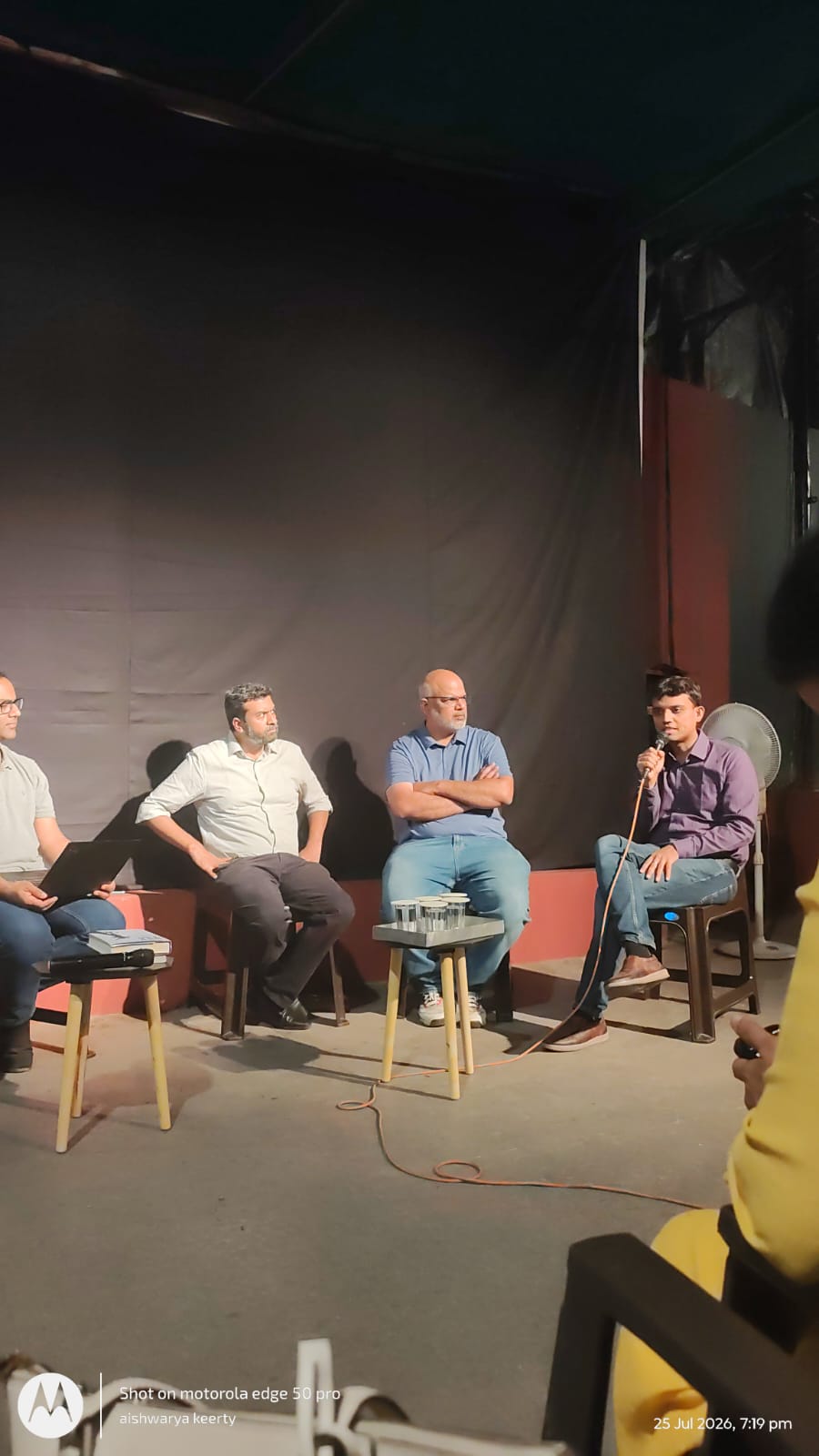
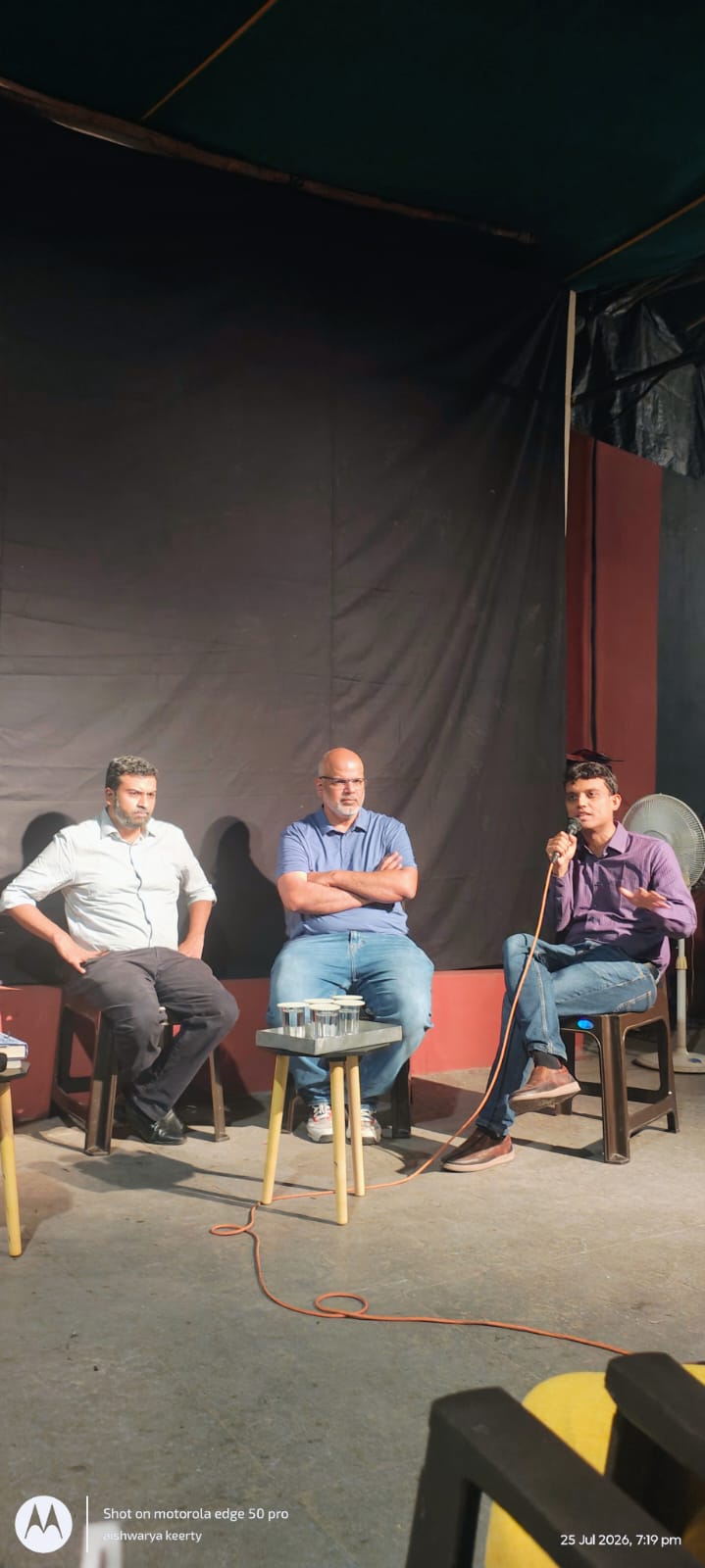
Photos and videos from these two events – Hyderabad India Saturday July 25, 2026

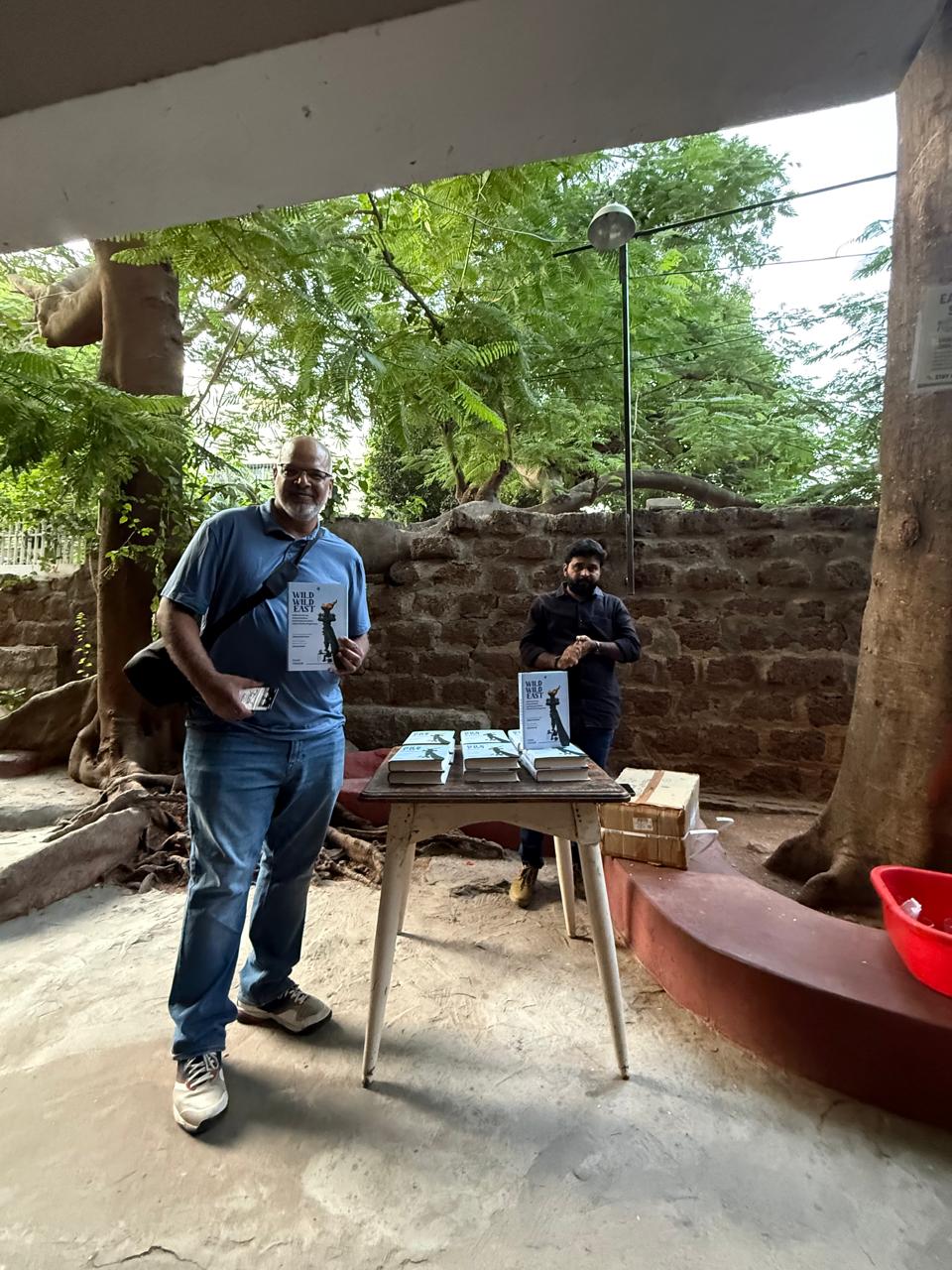
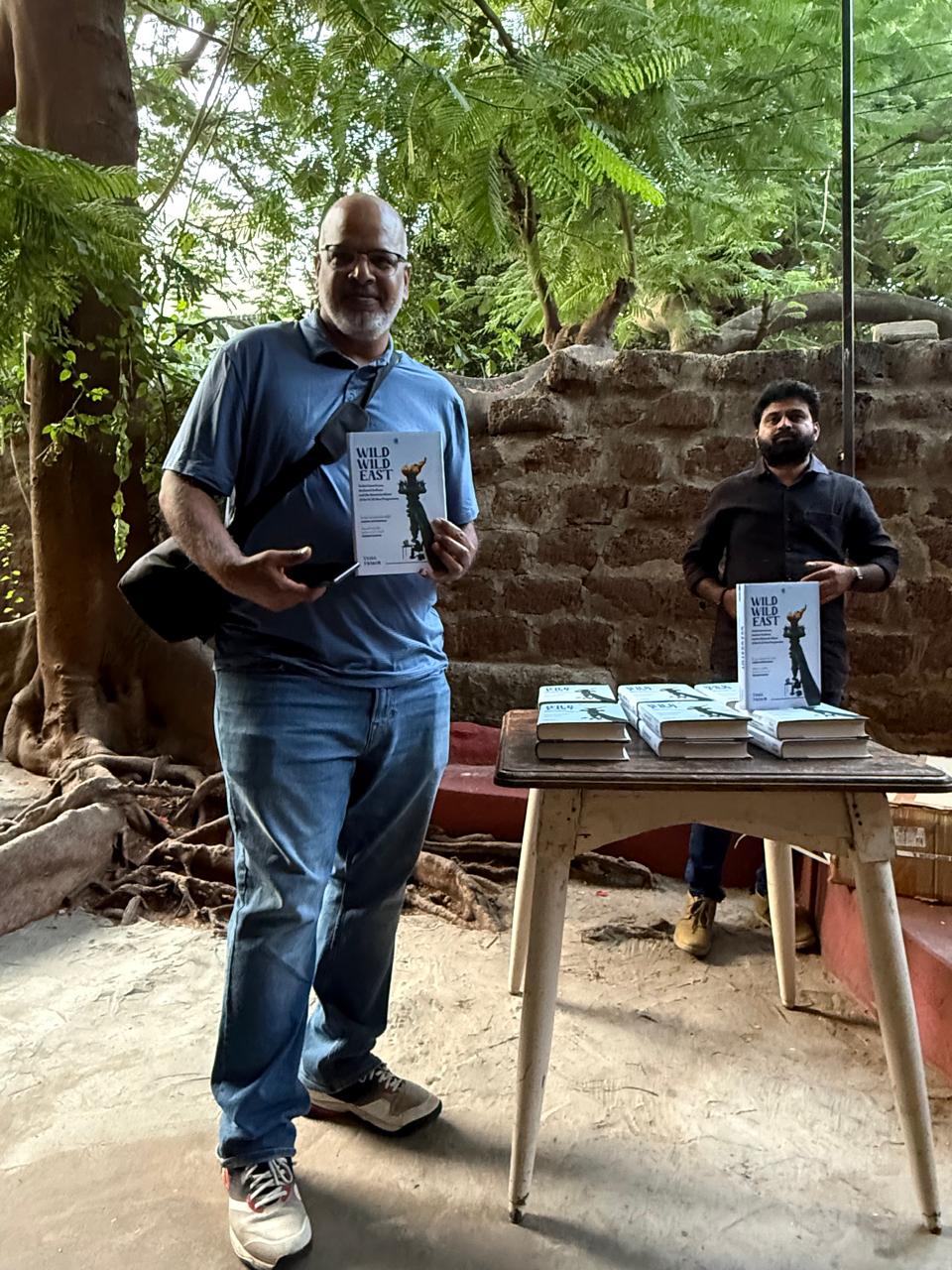
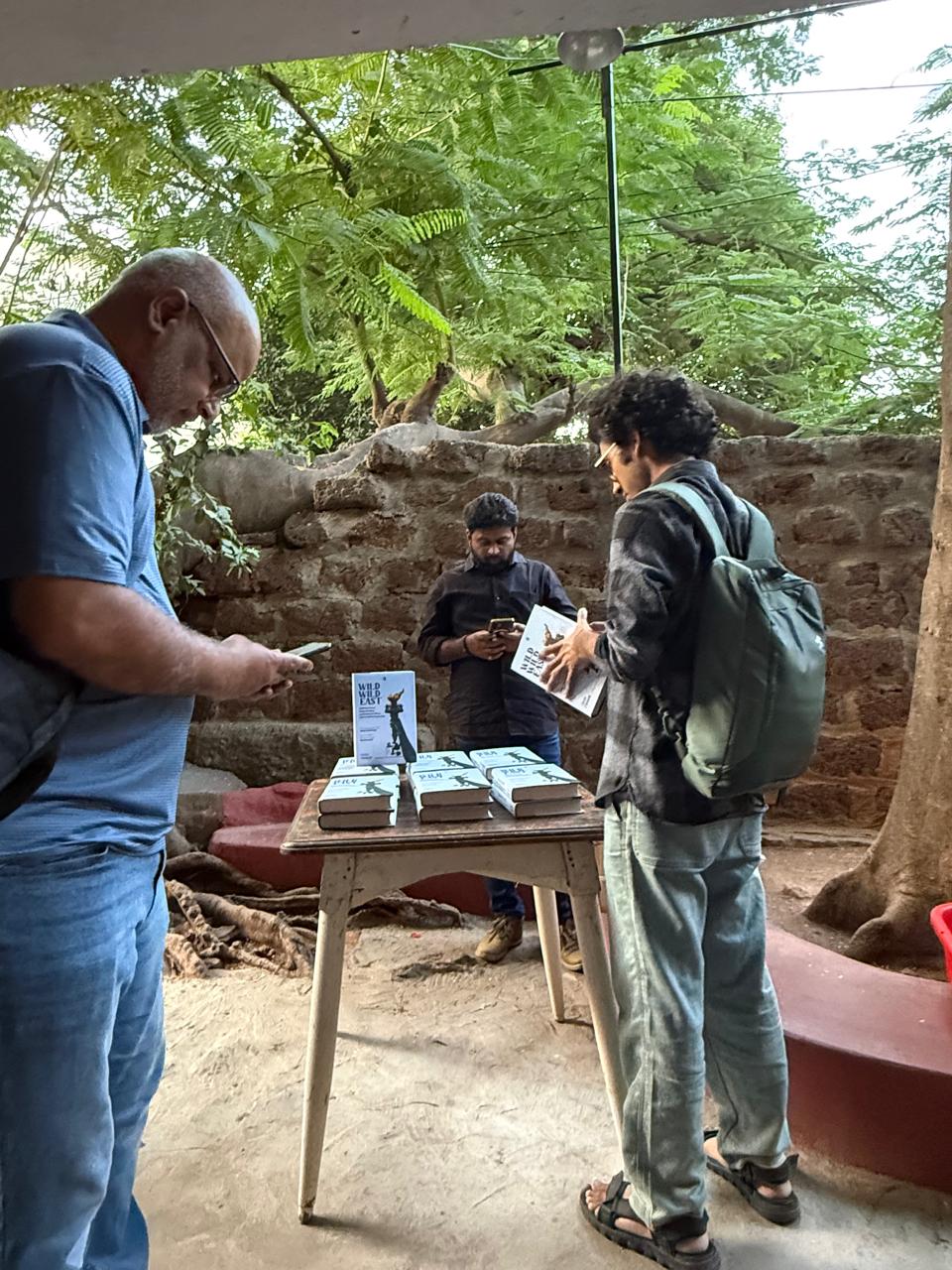
Wild Wild EAST book on H-1B – YouTube
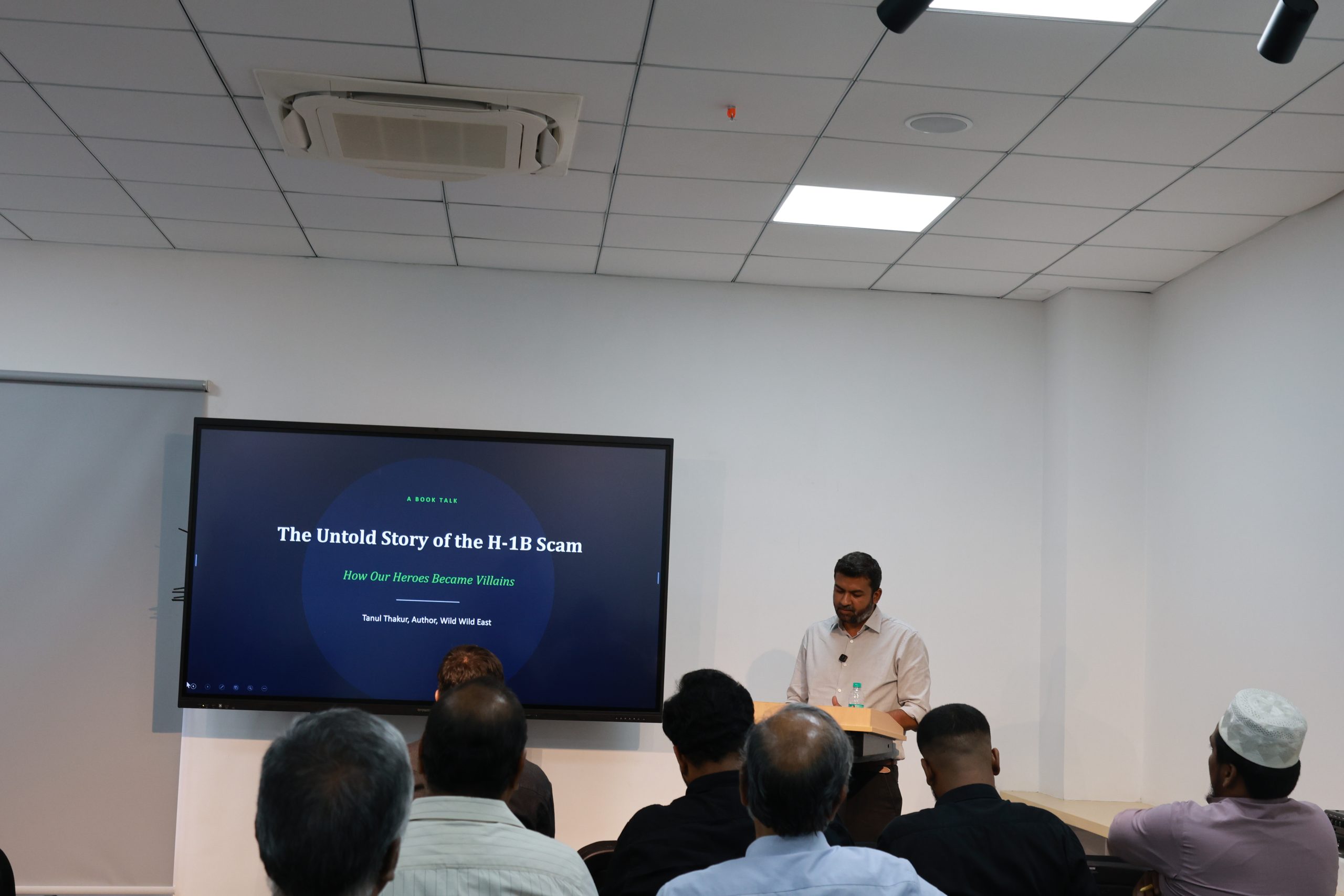
The Untold Story of the H-1B Scam: How Our Heroes Became Villains
Key takeaways from Tanul Thakur’s book talk on Wild Wild East
1. Introduction
- Overview of the H-1B visa program.
- The original purpose of attracting highly skilled global talent.
- Why the author believes the system has deviated from its original intent.
2. The First Phone Call
- How many H-1B journeys begin with a recruitment call.
- Promises of high-paying jobs and quick placement.
- Pressure placed on job seekers to accept the process.
3. The “Guesthouse” System
- Shared accommodations for newly arrived workers.
- Living with multiple job seekers while searching for placements.
- Financial and psychological pressures during this stage.
4. Fake Resumes
- Resume fabrication and experience inflation.
- False project histories.
- Risks to both candidates and employers.
- Ethical and legal concerns.
5. Desi Consultancies
- Role of small consulting firms in recruitment.
- Training, marketing, and placement practices.
- Competition among staffing firms.
- Impact on genuine candidates.
6. Proxy Interviews
- Someone else attending technical interviews on behalf of candidates.
- Why this practice exists.
- Risks to employers and clients.
- Damage to the credibility of legitimate professionals.
7. On-the-Job Support
- Hidden technical assistance after hiring.
- Remote experts helping employees perform assigned work.
- Ethical questions surrounding these arrangements.
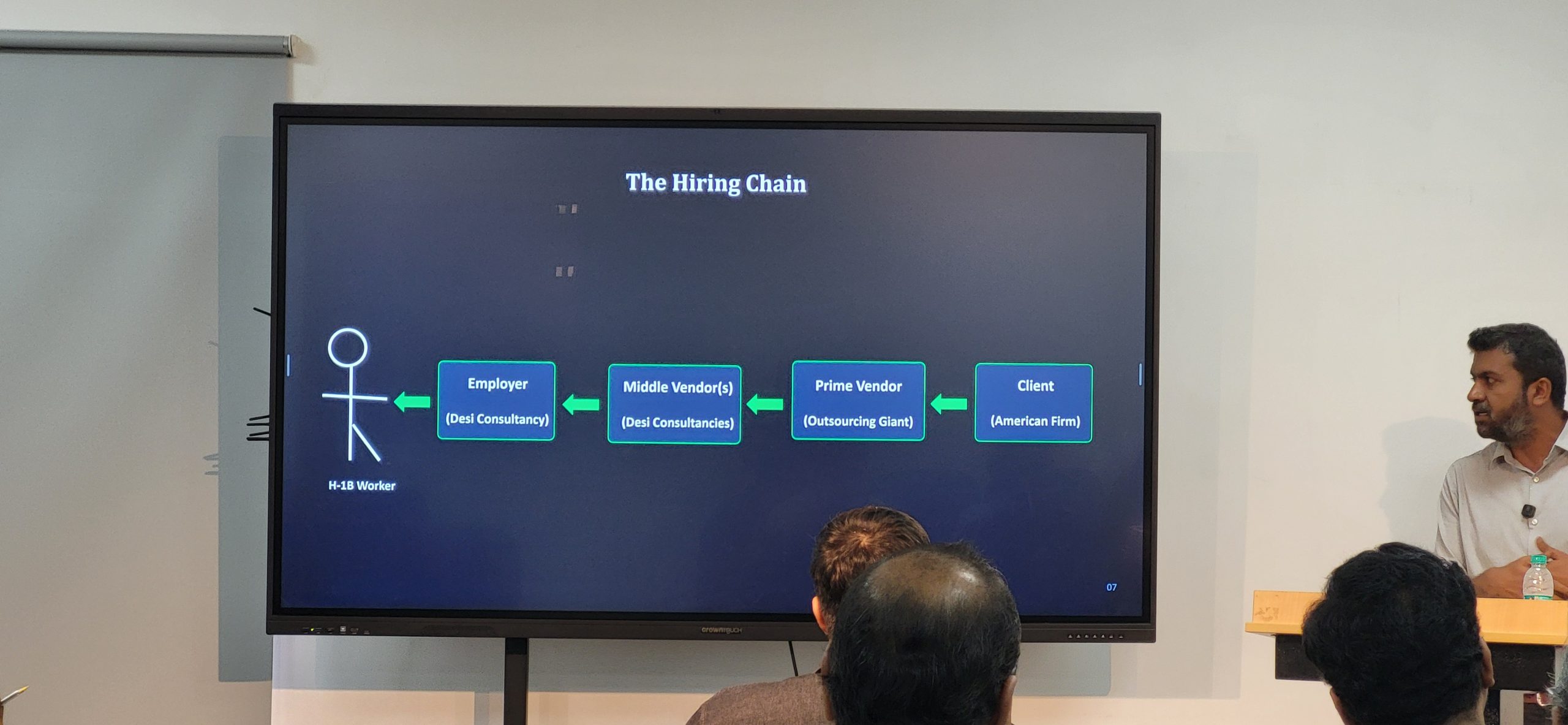
8. The Hiring Chain
- Client (American company)
- Prime vendor
- Middle vendors
- Consulting company
- H-1B employer
- Worker
- How multiple intermediaries affect transparency and compensation.
9. Where the Money Goes
- Difference between what the client pays and what the worker receives.
- Profit margins earned by intermediaries.
- Financial incentives within the staffing chain.
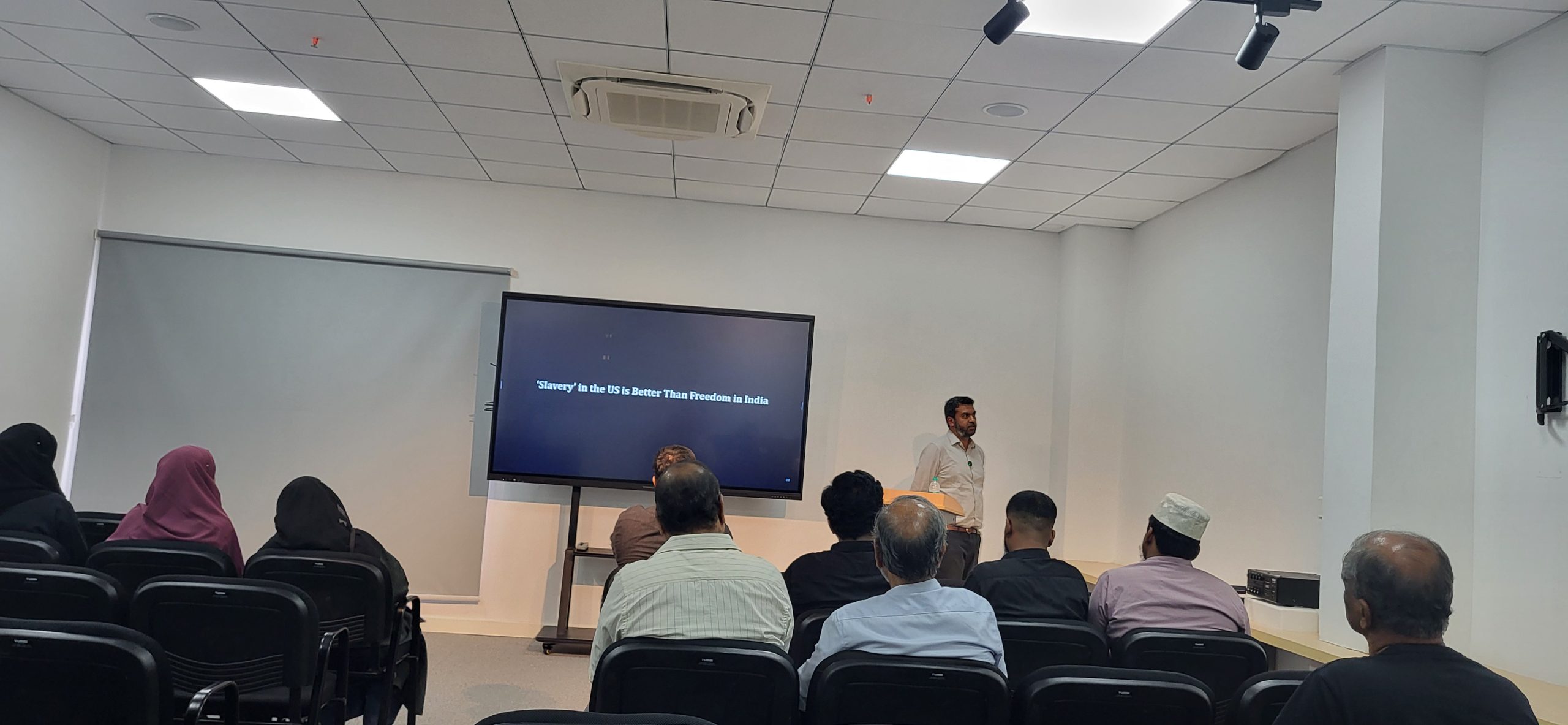
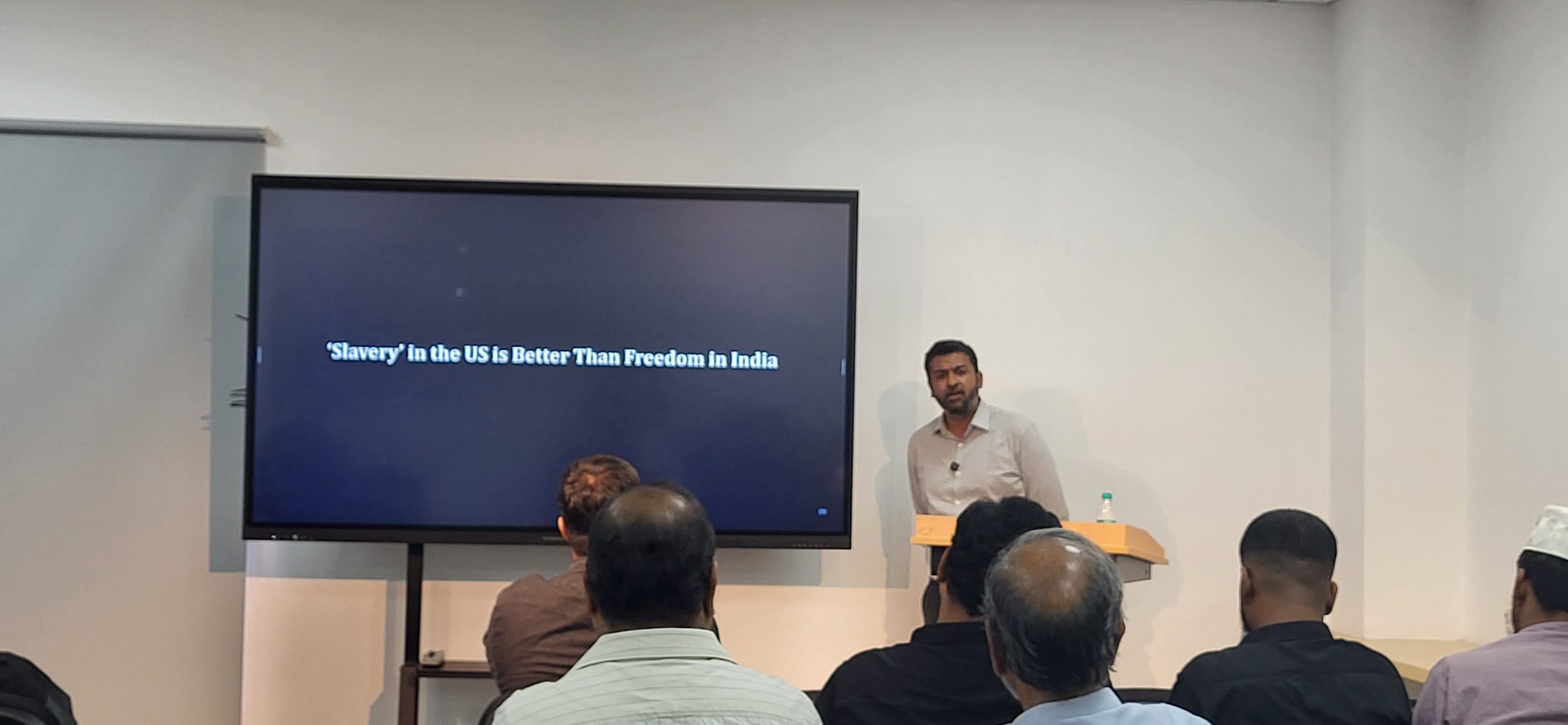
10. “Slavery” vs Opportunity
- Why some workers still accept difficult working conditions.
- Economic comparisons between the U.S. and India.
- Dependence on visa sponsorship.
- Lack of bargaining power.
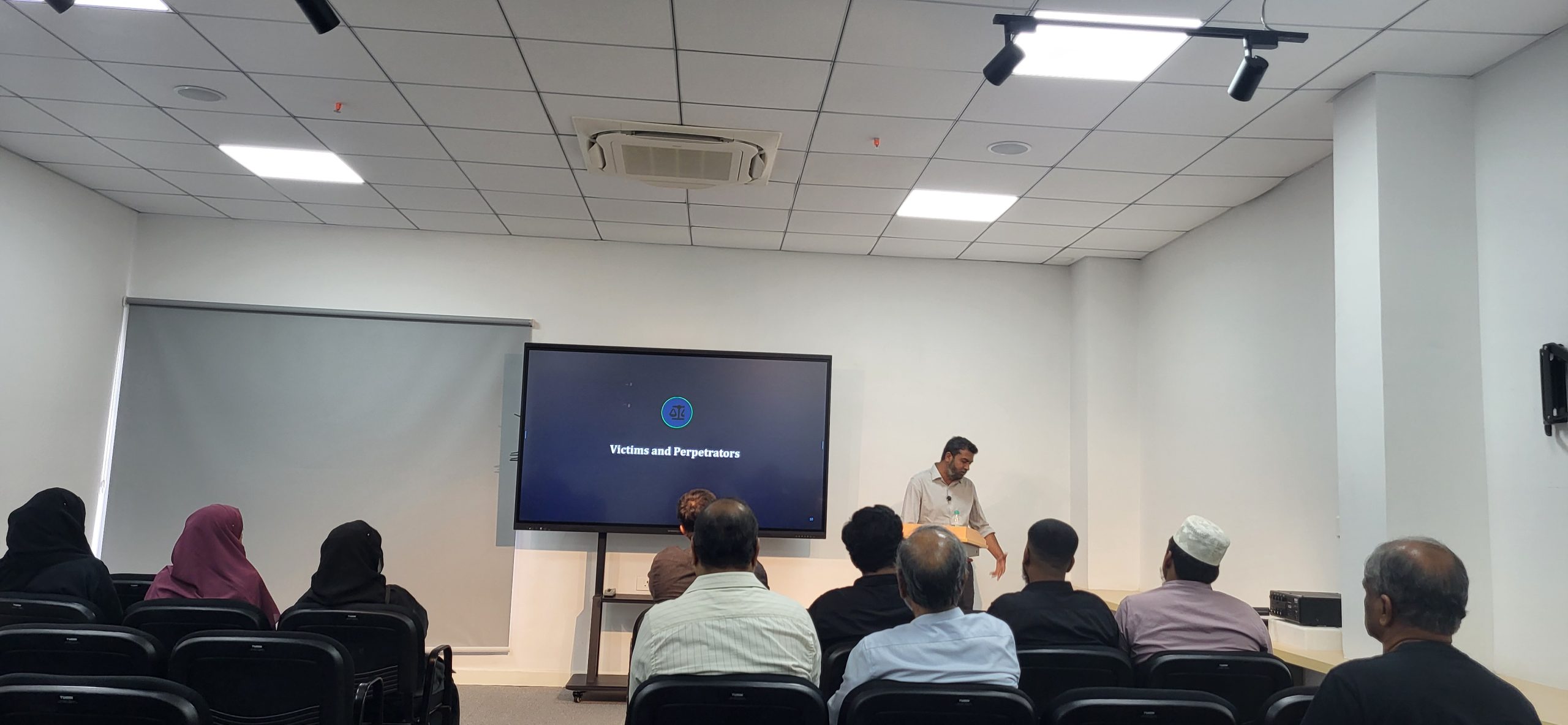
11. Victims and Perpetrators
- Workers who may be exploited.
- Employers who abuse the system.
- Honest professionals affected by fraud.
- Distinguishing between systemic issues and individual responsibility.
12. Offshore Operations
- Training centers outside the U.S.
- Remote interview preparation.
- Offshore support teams.
- International business models.
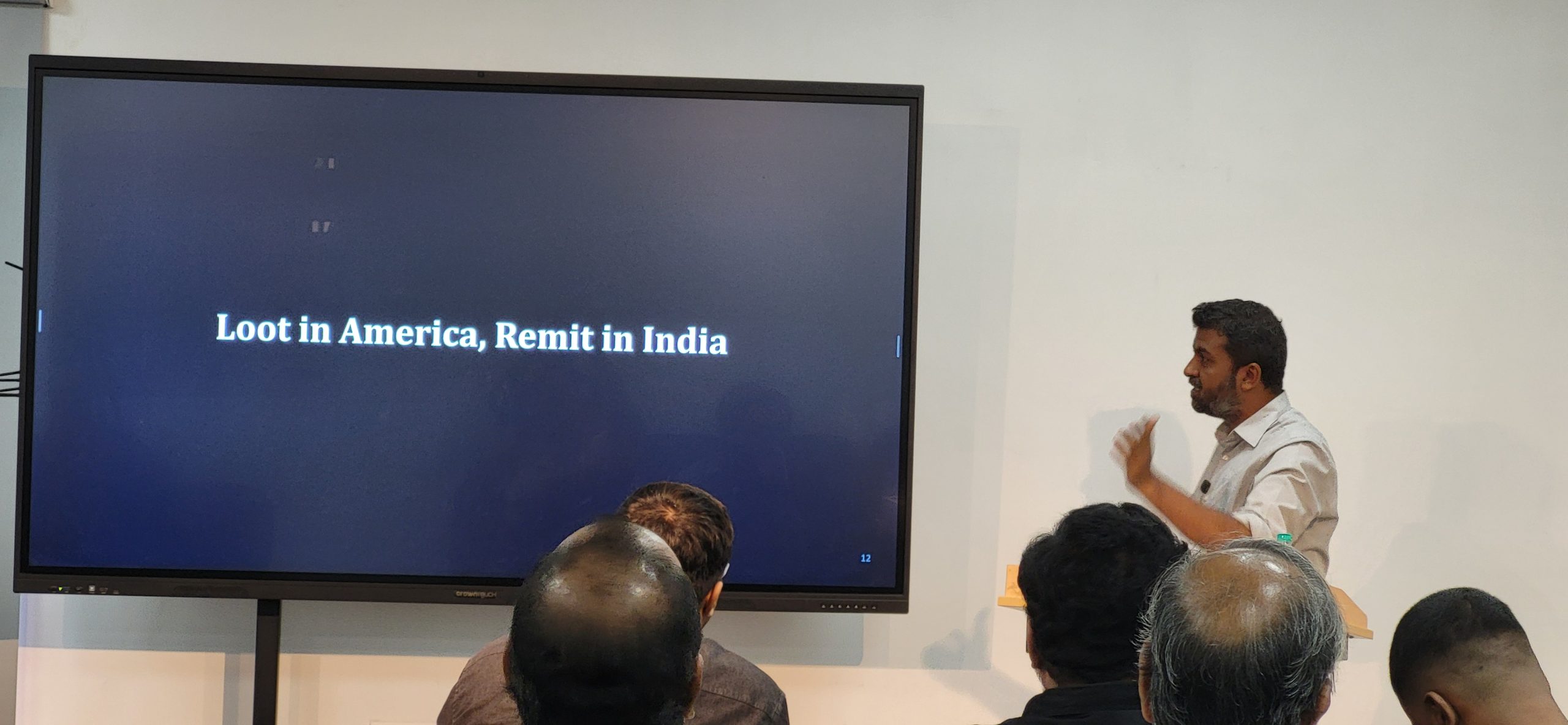
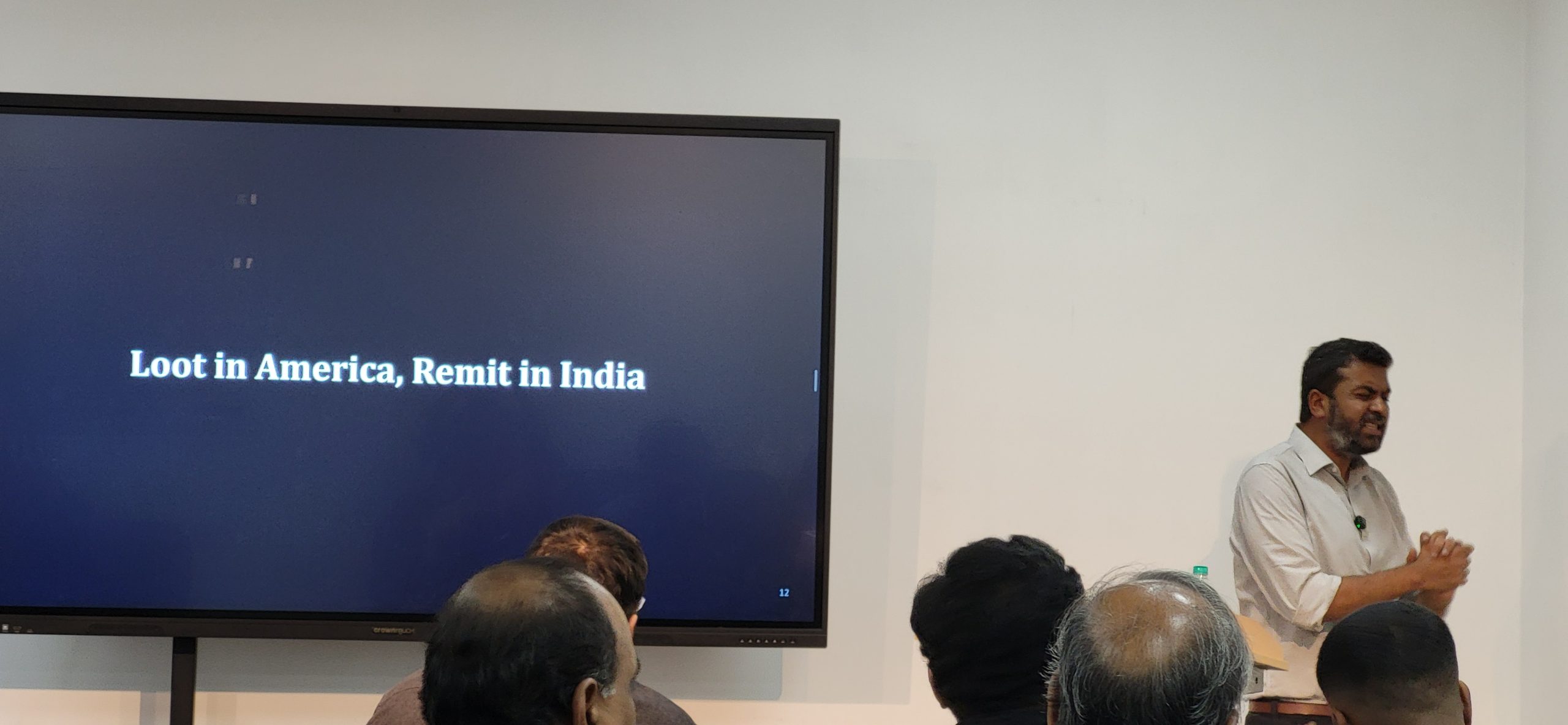
13. Money Flow
- Earnings generated in America.
- Remittances sent back to India.
- Economic impact on families.
- Business incentives behind the model.
14. Community Organizations
- Discussion of Telugu associations in the U.S.
- Networking and community support.
- Questions about influence and public perception.
- The importance of separating allegations from evidence.
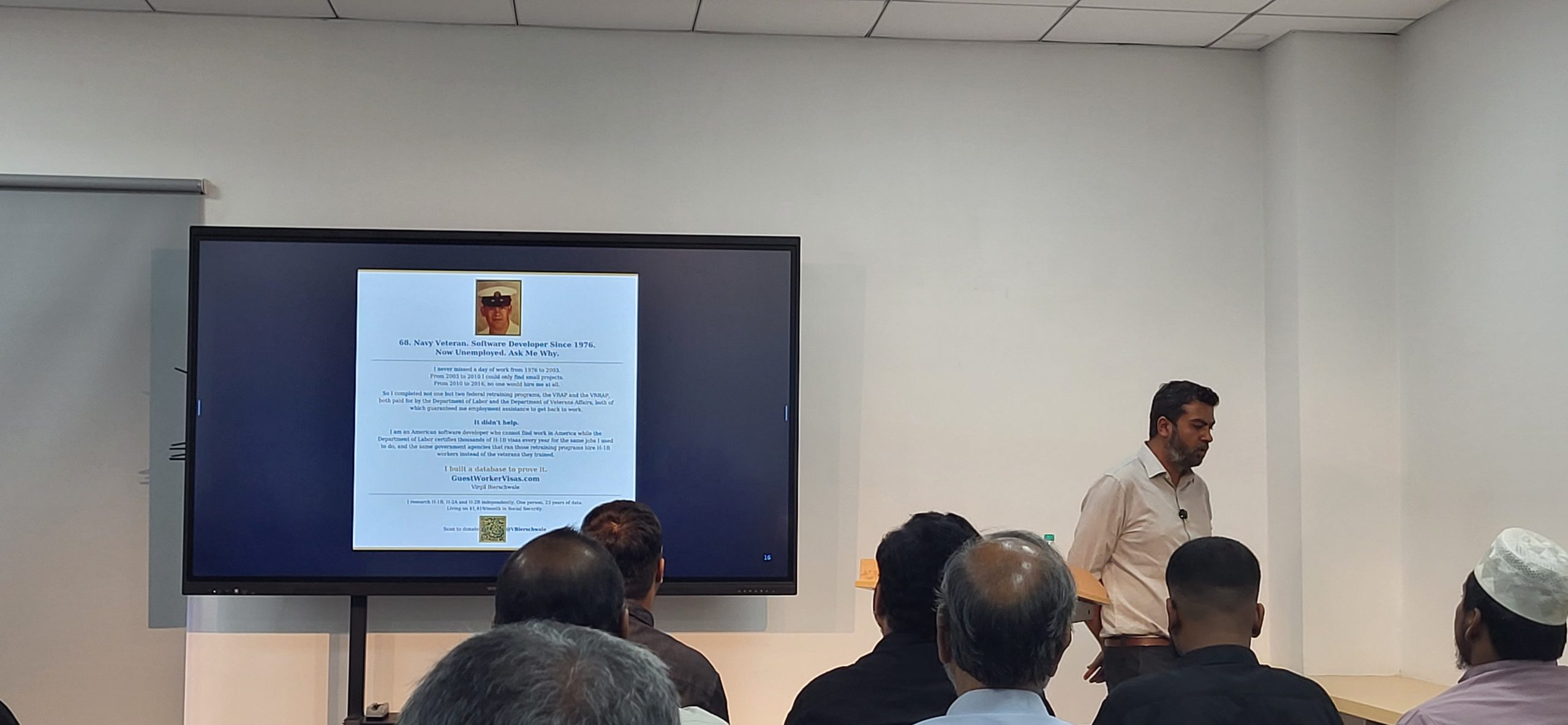
15. Impact on American Workers
- Competition for jobs.
- Wage concerns.
- Outsourcing debates.
- Public perception of the H-1B program.
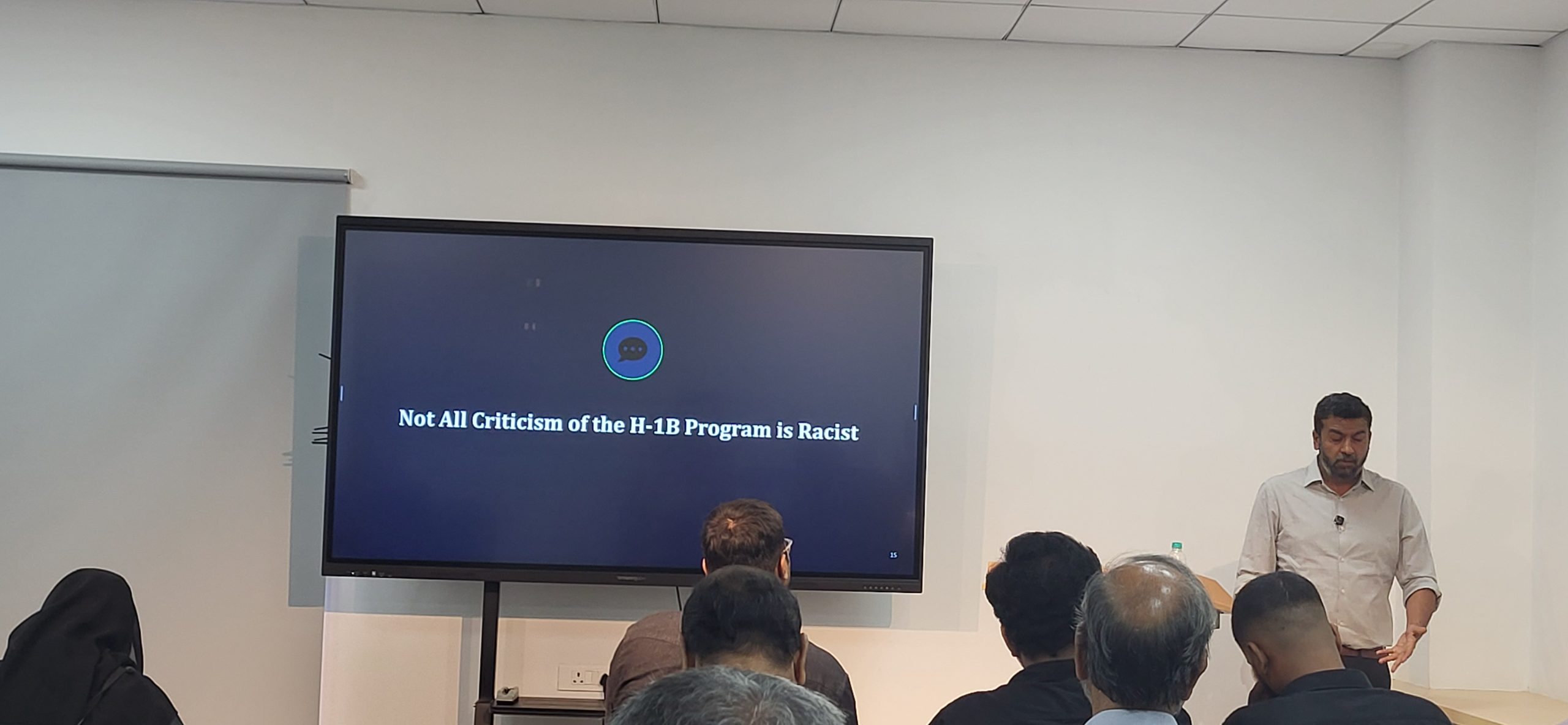
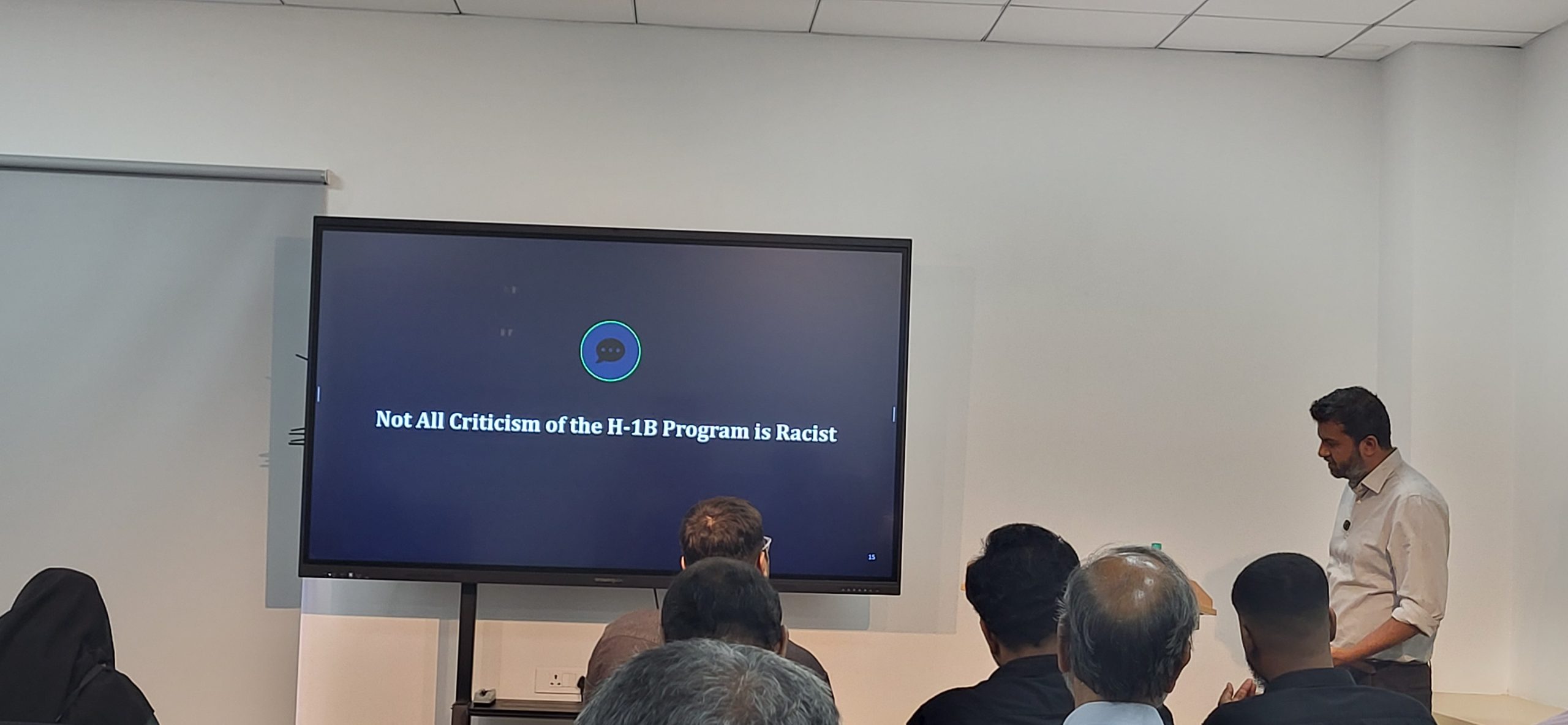
16. Criticism Is Not Always Racism
- Separating criticism of policies from prejudice against people.
- Importance of evidence-based discussion.
- Encouraging balanced debate rather than stereotyping.
17. The “Thought Control” Ecosystem
- Influence of narratives.
- Public opinion formation.
- Social pressure.
- Information ecosystems.
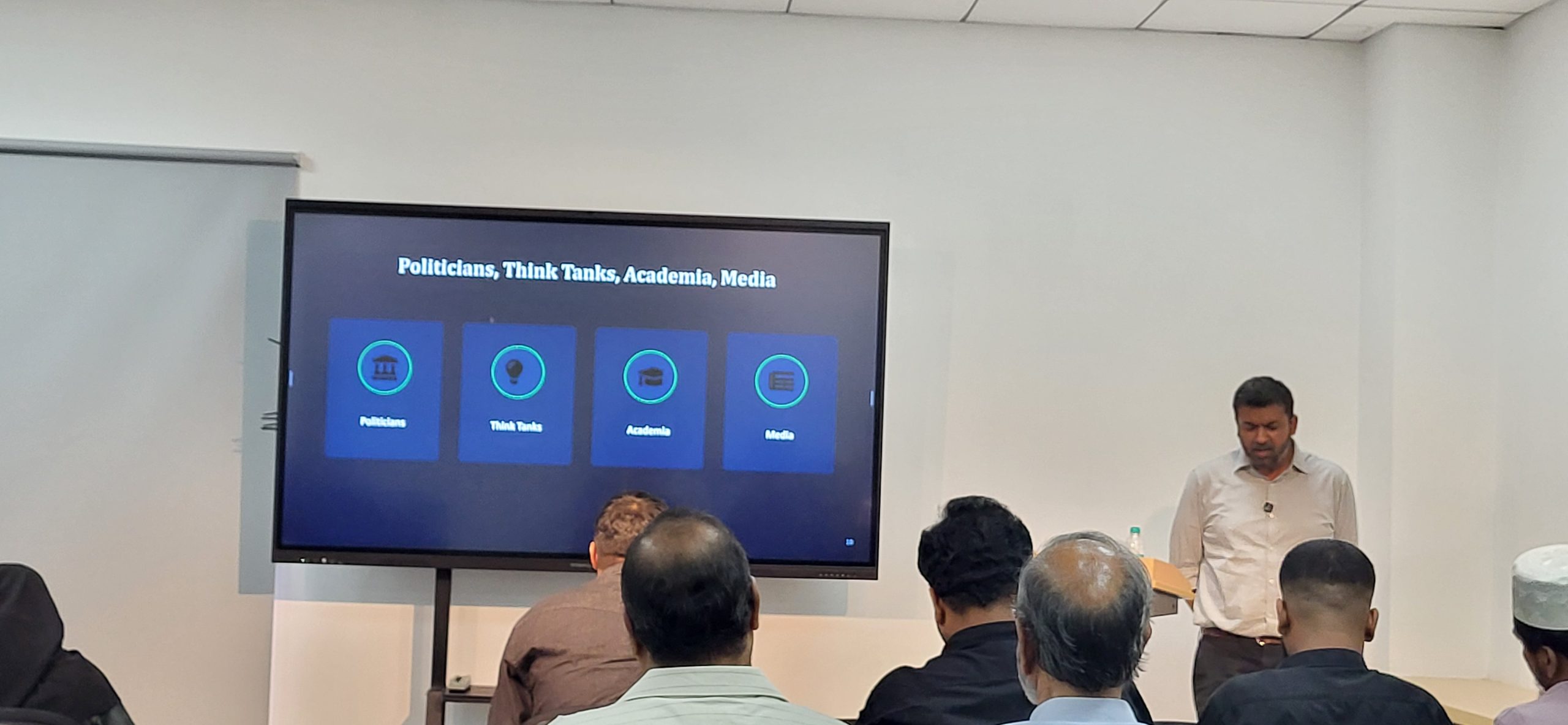
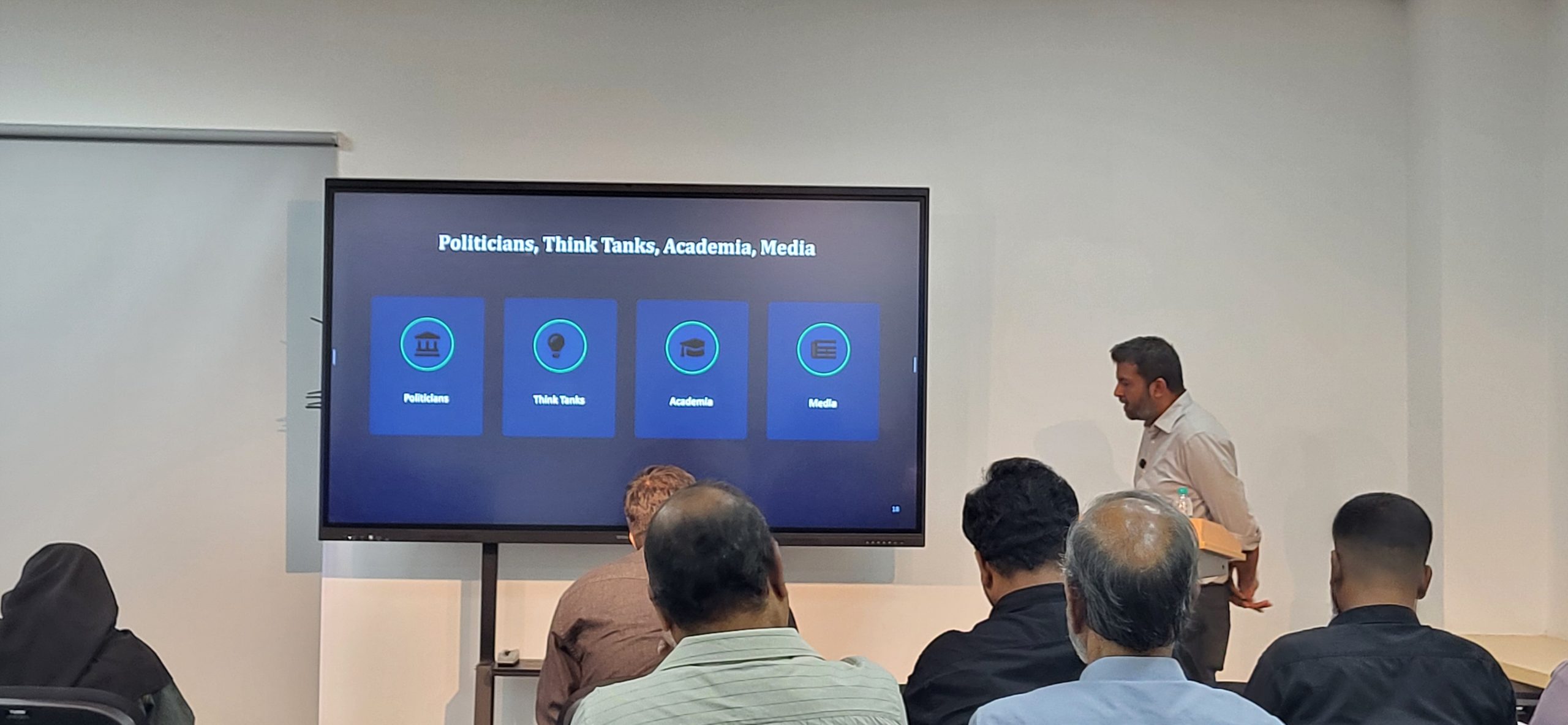
18. Politics, Think Tanks, Academia, and Media
- Role of politicians in immigration policy.
- Research institutions and policy influence.
- Academic perspectives.
- Media coverage and framing of H-1B issues.
19. How Our Heroes Became Villains
- Reflection on how respected professionals or institutions can lose public trust.
- Systemic incentives versus individual accountability.
- Why reform requires transparency, accountability, and honest public discussion.
Conclusion
- The H-1B debate is complex and affects workers, employers, governments, and local communities.
- Any discussion should distinguish documented misconduct from the many individuals and companies that follow the law.
- Meaningful reforms should aim to protect both skilled immigrants and domestic workers while preserving the original purpose of the H-1B program.
This outline follows the sequence of the presentation while expanding each slide into blog-ready talking points.